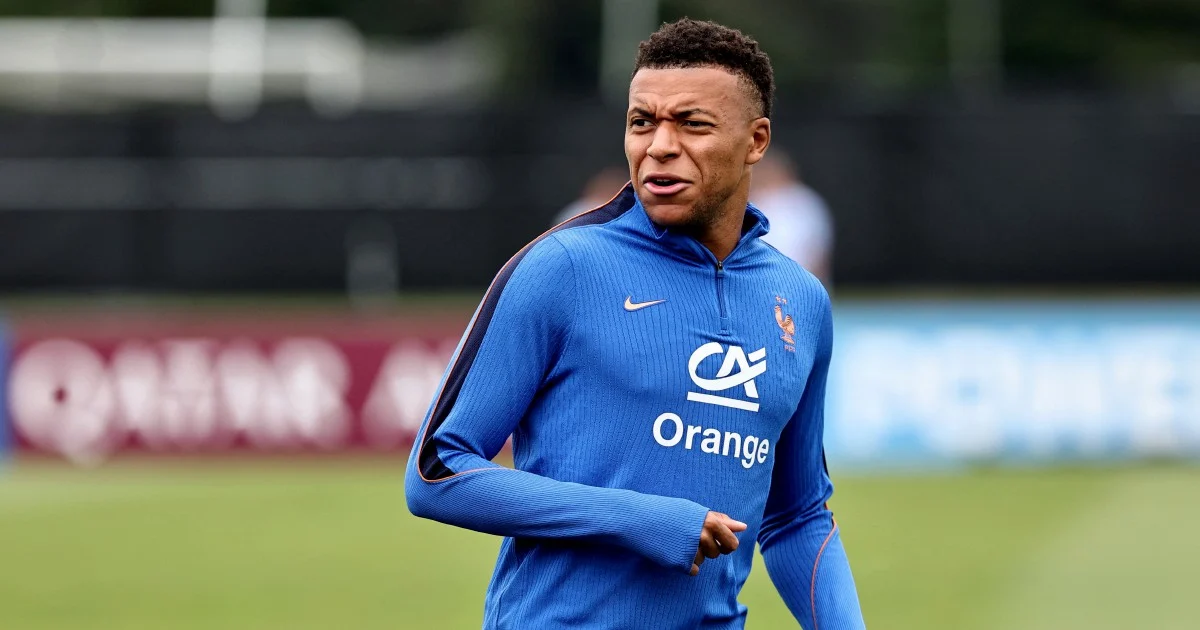
French legal authorities have stepped into an unusual diplomatic situation involving South American politics and international football. The Paris public prosecutor's office announced on Tuesday that it was commencing an investigation centred on statements directed at France's renowned football captain Kylian Mbappé by a legislator from Paraguay. The decision to launch a formal probe signals that the comments have crossed a threshold of concern for French authorities, though initial details about the nature of the remarks remain limited.
The intervention of French prosecutors into comments made by a foreign politician underscores the particular sensitivity surrounding high-profile athletes in the modern media landscape, especially those commanding global audiences and commercial interests. Mbappé, who plays for Real Madrid following his departure from Paris Saint-Germain, maintains significant cultural influence in France as one of the nation's most recognizable sports figures. His prominence makes him a subject of intense public interest and, occasionally, controversial political discourse across international boundaries.
Paraguayan lawmakers, like their counterparts in other Latin American nations, operate within a diverse and sometimes polarized political environment. When statements made within parliamentary contexts cross international borders and attract attention from foreign prosecutors, they typically involve allegations of defamation, incitement, or potentially discriminatory language. The specific allegations underlying this investigation have not been publicly detailed, but such cases historically involve remarks that question a public figure's integrity, behaviour, or background.
The practical implications of this investigation extend beyond the immediate situation. France maintains formal diplomatic relations with Paraguay and engages in broader regional cooperation throughout South America. Investigations by Paris authorities into foreign politicians' conduct, even when targeting their public statements, can create diplomatic friction depending on how proceedings develop. Both nations will likely need to manage any resulting tensions through established diplomatic channels.
From a Malaysian perspective, this incident offers a window into how developed democracies handle controversial political speech involving international sports personalities. Malaysia's own sporting icons and public figures occasionally face commentary from politicians or media figures both domestically and from abroad. The French approach—utilizing prosecutorial authority to examine potentially problematic remarks—represents one model for addressing such situations, though questions about proportionality and free speech boundaries invariably emerge.
The investigation also reflects broader dynamics within football's global sphere. As the sport has become increasingly commercialized and athletes have accumulated greater personal brands and business interests, their protection from defamatory or harmful commentary has grown more legally formalized. This professionalization of athlete representation stands in contrast to earlier eras when such disputes might have remained largely within sporting circles rather than entering criminal legal systems.
Paraguay's domestic political landscape has experienced significant turbulence in recent years, with various factions competing for influence and media attention. A legislator's remarks about an international football figure might represent an attempt to generate domestic publicity or align themselves with particular political constituencies holding views about French society, immigration, or other related issues. Understanding the local political context behind the statement would be essential for comprehending the lawmaker's motivation and intended audience.
For Mbappé himself, the investigation represents yet another example of unwanted attention extending beyond his athletic career into realms he likely prefers to avoid. High-performing athletes often find themselves drawn into political controversies despite their inclination to remain apolitical. The Paris prosecutor's decision to investigate also implicitly provides Mbappé with institutional support and recognition that the remarks warrant official attention—a form of vindication that some might appreciate while others might view as unnecessary escalation.
The investigation's progression will be closely watched by media organizations across Europe and Latin America for several reasons. First, the outcome may establish precedent regarding when prosecutors view foreign politicians' comments sufficiently problematic to warrant investigation. Second, it demonstrates how international media creates accountability mechanisms that transcend traditional national boundaries. Finally, the case highlights how even individuals working in entertainment and sports become entangled in formal legal processes initiated by governments operating across continents.
Southeast Asian nations increasingly find themselves navigating similar situations as their own athletes gain prominence on global stages and sometimes attract international political commentary. Malaysia's involvement in regional and international sporting competitions means Malaysian athletes could face comparable scrutiny or commentary from politicians elsewhere. This French case therefore provides useful context for understanding how different legal systems respond to such incidents and the potential consequences that flow from formal investigations.
For observers of both French and Paraguayan politics, this incident serves as a reminder that in an interconnected world, domestic political statements can rapidly acquire international consequences. The investigation underscores how legal systems in wealthy developed nations possess both the capacity and, occasionally, the inclination to project their authority across borders when prominent citizens face criticism from foreign sources.

