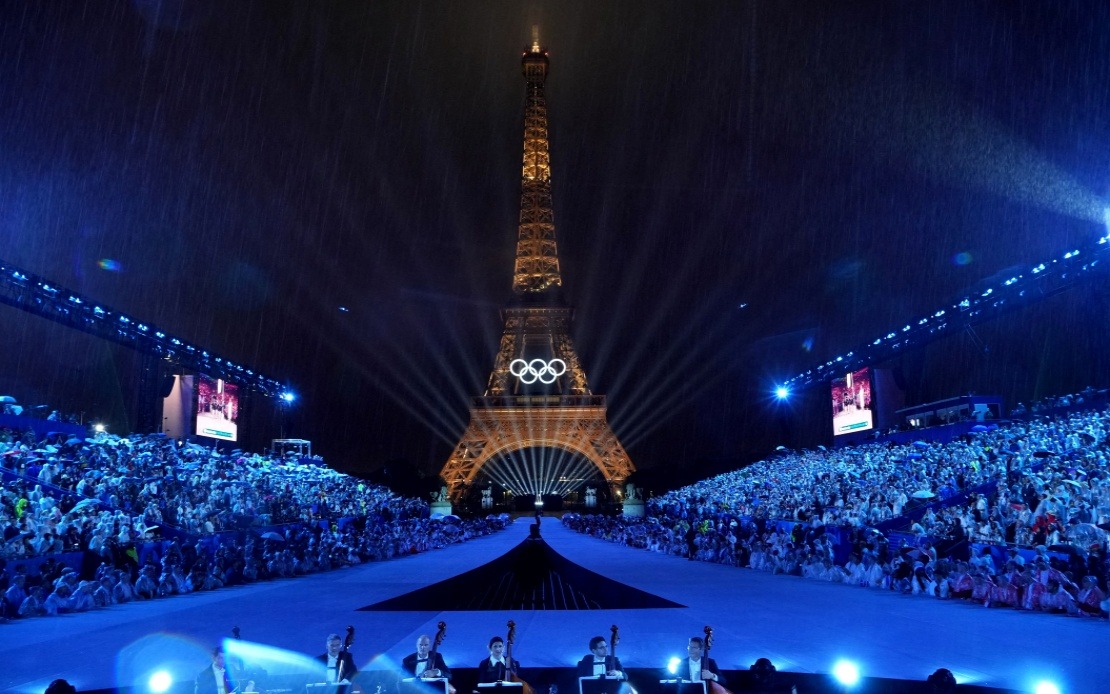
France's most iconic attraction, the Eiffel Tower, made the exceptional decision to close early on Tuesday as scorching temperatures swept across the country, prompting urgent measures to protect both visitors and staff from the dangerous conditions. The monument ceased operations at 4.00 pm local time, with the last entry permitted at 12.15 pm, marking an unusual disruption to one of the world's most visited tourist sites. Visitors who had booked time slots from 11.30 am onwards for stair access and from noon for lift access will receive automatic refunds as the operating company prioritized safety over revenue.
The management of the Eiffel Tower, run by Sete (Societe d'Exploitation de la tour Eiffel), issued a statement acknowledging the grim situation: they were compelled to adjust operations in response to extreme heat conditions, emphasizing that safeguarding the wellbeing of staff members and guests remained their paramount concern. This closure reflects the unprecedented nature of the heatwave currently affecting France, which has forced major cultural institutions to reconsider their operations and modify their regular schedules.
The disruptions at the Eiffel Tower were not isolated. The Louvre Museum, the world's most visited art museum, announced it would also curtail its opening hours from Tuesday onwards, shutting at 4.00 pm rather than its standard 6.00 pm closing time through to June 27. This coordinated response from Paris's two most prominent tourist attractions underscores the severity of the meteorological emergency unfolding across the French capital and the broader country.
According to Meteo-France, the national weather authority, France remained locked in an intense heatwave with no reprieve expected until at least the end of the week. On Tuesday itself, Paris experienced temperatures reaching 36 degrees Celsius by mid-afternoon, an already formidable figure. However, meteorologists warned that conditions would deteriorate further, with forecasts predicting peak temperatures of approximately 38 degrees Celsius for Wednesday, approaching dangerous levels that pose genuine health risks to the population.
The geographic scope of the heatwave proved remarkably extensive. On Tuesday, Meteo-France placed 54 departments across mainland France under red alert status—the highest tier in France's heat warning system—indicating conditions of exceptional danger requiring immediate protective action. An additional 35 departments fell under orange alert, the second-highest classification. This widespread coverage demonstrated that the heatwave represented a national emergency rather than a localized phenomenon affecting only Paris and its surroundings.
For Malaysian and Southeast Asian readers, the implications of such extreme weather events merit careful consideration. While tropical regions like Malaysia experience high temperatures year-round, Europe's heatwaves present different public health challenges because populations, infrastructure, and buildings are not adapted to sustained heat at these levels. Air conditioning penetration varies considerably across French facilities, and many historic buildings like the Eiffel Tower's iron structure absorb and retain heat intensely. The decision to close attractions early reflects not merely discomfort but genuine medical risk, as heat-related illnesses escalate sharply when temperatures exceed certain thresholds in unprepared environments.
The economic ramifications of such closures ripple through the tourism industry. Paris typically draws millions of visitors annually, with the Eiffel Tower alone receiving roughly seven million guests per year. Early closures, even for a single week, represent substantial lost revenue for these attractions and associated businesses reliant on tourist spending—hotels, restaurants, transport services, and shops. This economic dimension carries particular weight given the post-pandemic recovery phase the tourism sector has been navigating.
Beyond the immediate disruption, these closures signal a broader vulnerability in European infrastructure and planning to climate extremes. The willingness of major institutions to cease operations underscores that France's cooling systems, crowd management protocols, and worker safety provisions cannot currently sustain normal operations under such conditions. This recognition contrasts with regions where intense heat represents the baseline operating environment, yet it reveals how climate change is pushing European summer conditions beyond historical norms and established institutional frameworks.
The heatwave also highlights the interconnected nature of modern Europe's critical infrastructure. When monuments close, transportation hubs grow congested with disappointed tourists and stranded travelers. When major attractions curtail hours, hotels and restaurants experience cascading complications with booking management and staffing. Such secondary effects amplify the direct impact of extreme weather, creating systemic vulnerabilities that spread far beyond the immediate health and safety concerns motivating the initial closures.
For Southeast Asian nations, the French experience offers instructive lessons about preparedness and adaptation. While tropical regions possess greater experience managing heat, changing climate patterns may introduce unprecedented combinations of heat, humidity, and precipitation that exceed current adaptive capacity. The Eiffel Tower and Louvre closures demonstrate that even wealthy, developed nations with sophisticated weather forecasting can find themselves scrambling to respond when conditions exceed historical precedent. Planning for increasingly extreme weather events, strengthening cooling infrastructure, and establishing clear protocols for public facility operations during emergencies represent investments becoming more critical across all climates.
As France weathered this dangerous heatwave through mid-week, the broader question loomed: whether such extraordinary measures would become routine. Climate scientists have documented a consistent trend toward more frequent and intense heatwaves across Europe. What appeared exceptional in June 2023 may become commonplace within decades, forcing permanent adaptations in how Europe's most cherished cultural institutions operate and serve their publics during summer months.