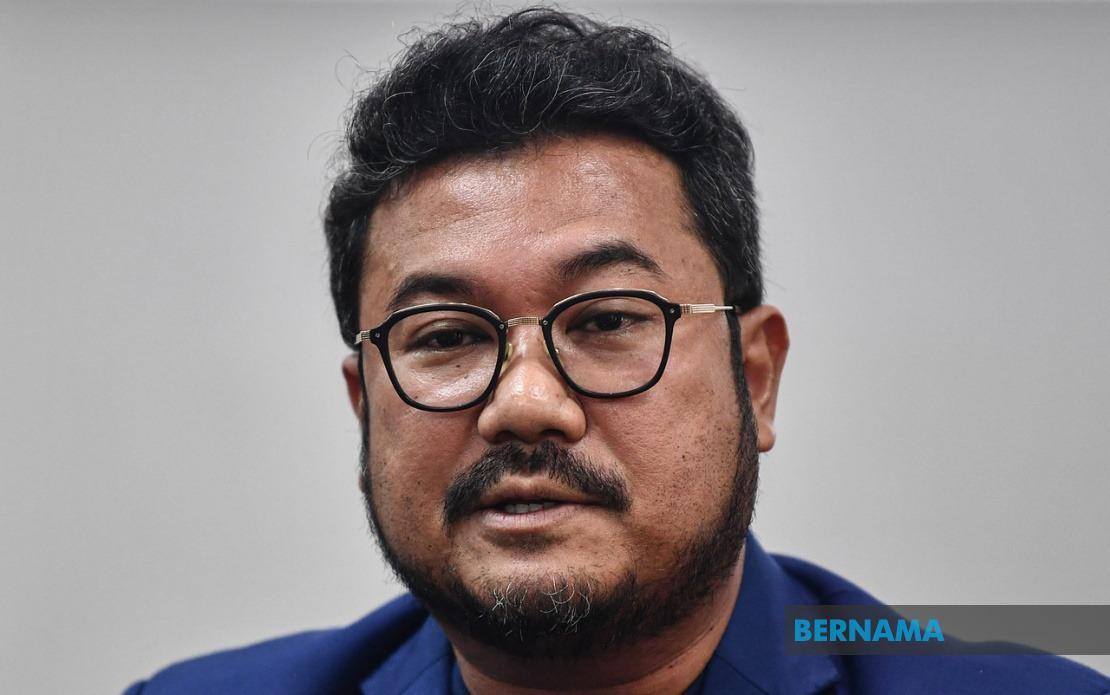
Datuk Seri Megat D Shahriman Zaharudin, the president of the Malaysian Paralympics Council, will represent Parti Peribumi Bersatu Malaysia in the upcoming Negeri Sembilan state election, running for the Seri Menanti constituency. The announcement came at a candidate declaration event in Nilai, where Bersatu president Tan Sri Muhyiddin Yassin unveiled the party's slate of 24 hopefuls for the 16th Negeri Sembilan state election.
Megat D Shahriman brings considerable experience in sporting administration to his political foray. Beyond his role leading Malaysia's Paralympics movement, he also serves as president of the Negeri Sembilan Canoe Association, positioning him as a figure with deep roots in state sporting circles. His candidacy underscores Bersatu's strategy to field individuals with established community credentials and institutional leadership backgrounds as the party seeks to strengthen its electoral position in Negeri Sembilan.
The timing of the announcement aligns with the Election Commission's published schedule for the state election. Nomination day has been fixed for Saturday, marking the formal commencement of the campaign period. The compressed electoral calendar sees early voting sessions scheduled for July 28, followed by the main polling day on August 1. This timeframe allows candidates roughly two weeks to campaign and connect with voters across their respective constituencies.
Negeri Sembilan has emerged as a significant battleground in Malaysian state-level politics, with the 16th election representing another opportunity for parties to reshape the political composition of the state assembly. Bersatu's decision to field 24 candidates across available seats demonstrates the party's commitment to contesting broadly, rather than limiting itself to select constituencies. The party's performance in Negeri Sembilan will carry implications beyond the state itself, potentially signalling voter sentiment regarding the current political coalitions and leadership at both state and federal levels.
Seri Menanti, the seat Megat D Shahriman will contest, sits within Negeri Sembilan's electoral geography and represents a constituency where a candidate's local networks and track record in community service can prove decisive. The Paralympics Council president's background in sports administration may resonate with constituents who value governance experience and commitment to grassroots development, particularly given Malaysia's growing emphasis on inclusive sporting opportunities for athletes with disabilities.
Bersatu's continued participation in state elections reflects the party's ambitions to maintain relevance in Malaysia's federal system, where state governments retain significant autonomy over local governance, land administration, and development matters. The party's electoral strategy in Negeri Sembilan fits within a broader pattern of seeking to consolidate its voter base ahead of potentially closer federal elections, while simultaneously testing political messaging and candidate viability at the state level.
For observers tracking Bersatu's organisational health and appeal, the calibre of candidates selected offers insights into party leadership's confidence in specific constituencies and demographics. Fielding a sports administrator with national profile suggests the party sees value in presenting candidates whose credibility extends beyond party machinery into established professional and institutional spheres. This approach may particularly appeal to swing voters and those sceptical of career politicians.
The Negeri Sembilan election occurs within Malaysia's complex multi-level electoral system, where state outcomes frequently reflect broader national political trends while also registering local grievances and preferences. Voters in Seri Menanti and across the state will weigh considerations ranging from economic management and infrastructure development to social services and religious affairs—domains where state governments exercise considerable influence. Megat D Shahriman's campaign will need to articulate how his administrative experience translates into concrete policy positions on these fronts.
Bersatu's performance in Negeri Sembilan carries symbolic weight given the party's relatively recent emergence as a significant political actor in Malaysian electoral politics. The state election provides a platform to demonstrate whether the party has successfully established organisational structures and voter networks capable of sustaining competitiveness beyond its initial breakthrough victories. Success would suggest Bersatu has evolved from protest movement into durable political institution, while disappointing results might indicate the party's appeal remains concentrated among specific demographic cohorts or regional areas.
For Megat D Shahriman personally, the election represents both opportunity and risk. A strong showing would validate Bersatu's candidate selection strategy and position him for future advancement within party structures, potentially including greater influence over sports policy at federal level. Conversely, a poor performance could diminish his political credibility and raise questions about whether sports administrators possess the campaign skills and political acumen required to succeed in electoral contests. His conduct during the campaign period will substantially influence how voters and party observers assess the viability of drawing political candidates from non-traditional backgrounds.

