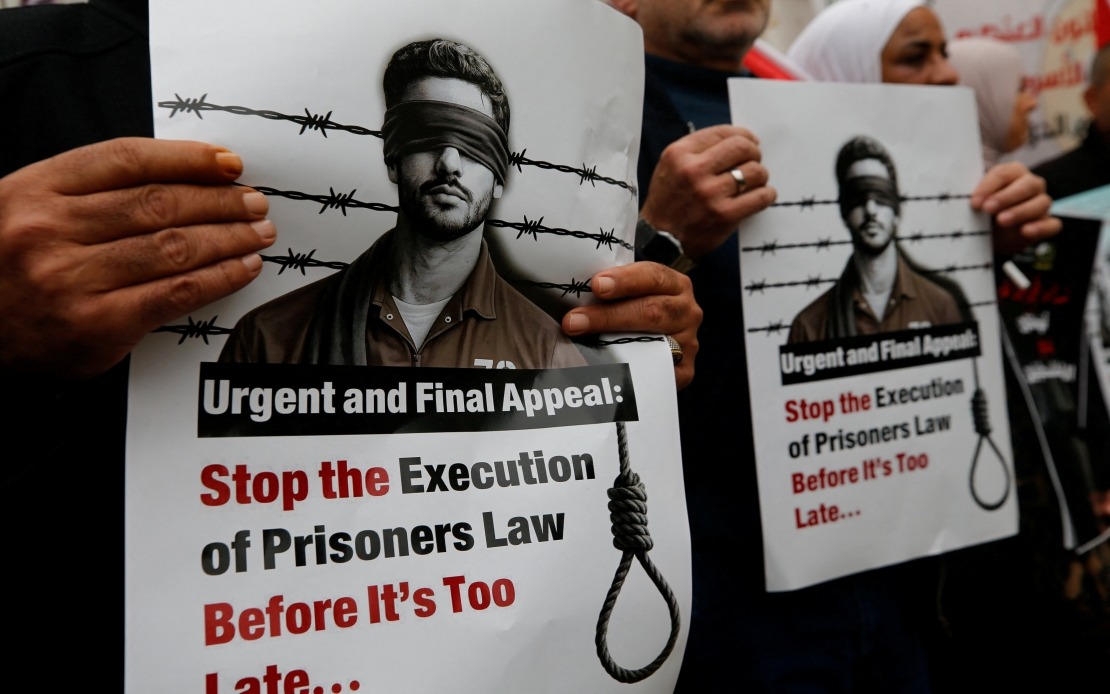
The Palestinian government released a comprehensive situation report this week documenting allegations of widespread human rights abuses within Israeli detention facilities, asserting that more than 3,376 Palestinian administrative detainees remain imprisoned without formal charges or trial proceedings. The claim forms part of a broader indictment of detention practices that Palestinian authorities contend systematically violate fundamental rights and international humanitarian standards.
According to the Palestinian Prime Minister's Office Situation Report #92 covering late June 2026, detained Palestinians have allegedly endured numerous forms of physical abuse, ranging from beatings and prolonged stress positions to electrocution and deliberate sleep deprivation. The documentation also cites allegations of sexual violence, starvation, and systematic denial of medical treatment, painting a picture of conditions Palestinian officials characterise as deliberately cruel and inhumane.
The report singles out particularly vulnerable detainee populations, noting that 360 Palestinian children are currently held in custody, while three pregnant women face additional hardship through alleged starvation, forced humiliation, and deprivation of prenatal healthcare. These specific cases underscore Palestinian claims that detention practices target civilians indiscriminately and without regard to age or condition.
Beyond individual abuse allegations, Palestinian authorities document what they describe as systematic institutional failures in prison management. Detainees reportedly face inadequate food and water rations, deliberate disease transmission within overcrowded facilities, and systematic obstruction of access to essential medical services. Former detainees who have been released subsequently experience severe physical and psychological trauma, with some reportedly dying shortly after liberation due to complications from their confinement.
The figures presented suggest the scale of detention extends well beyond administrative cases, with Palestinian sources recording over 9,500 total detainees across the West Bank including occupied Jerusalem. This broader detention population exists alongside other casualty figures the Palestinian government documents, including at least 73,054 deaths in Gaza since October 2023, with children comprising nearly 30 percent of those killed.
For Malaysian and Southeast Asian observers, these claims warrant serious consideration within the context of regional human rights monitoring and international humanitarian law. While the figures remain contested by Israeli authorities, the systematic nature of allegations—combined with the vulnerable populations affected—raises questions about detention practices that transcend the immediate Israeli-Palestinian context and touch upon universal principles of human dignity and due process.
Simultaneously, the Palestinian Cabinet moved forward with its domestic reform agenda, signalling efforts to strengthen governance structures even amid ongoing conflict and detention controversies. President Mahmoud Abbas approved amendments to the Value Added Tax legislation, designed to enable broader institutional modernisation within the Ministry of Finance and establish enhanced revenue collection mechanisms aligned with international standards.
These financial reforms carry significance for Palestinian state-building aspirations, addressing governance challenges that have historically hampered service delivery and accountability. The establishment of a Higher Council for Public Revenues represents an attempt to combat tax evasion and smuggling while safeguarding delivery of essential public services—priorities that resonate with development challenges across the broader Middle Eastern and Southeast Asian regions.
Technology sector reforms received parallel attention, with the Palestinian Cabinet approving a comprehensive telecommunications and information technology policy framework for 2026 through 2028. This initiative prioritises digital transformation, reflecting recognition that technological advancement underpins modern governance and public service delivery. The policy encompasses acceleration of digital government services and enhanced digital governance infrastructure.
Healthcare modernisation complemented these technology initiatives, with the Palestinian government endorsing replacement of traditional paper health insurance cards with smart card systems. This transition improves data security while establishing foundations for future expansion of digital health services—a modernisation trajectory that many Southeast Asian health systems are simultaneously pursuing.
The concurrent pursuit of reform and documentation of detention allegations reflects the complex position of Palestinian institutional structures, simultaneously functioning as accountability mechanisms while navigating extraordinary circumstances of ongoing conflict. For regional observers, these developments illustrate how governance challenges persist even during periods of heightened humanitarian concern.
The detention figures and abuse allegations, if substantiated, would constitute breaches of the Geneva Conventions and international humanitarian law standards that extend beyond bilateral dispute resolution. The involvement of children and pregnant women in detention systems raises particular concern under international child protection and maternal health conventions.
Malaysian policymakers and observers should monitor developments in Palestinian detention practices and institutional reforms as part of broader engagement with Middle Eastern human rights issues. The integration of financial and technological modernisation with documented human rights concerns demonstrates how governance advancement and humanitarian protection must proceed simultaneously for sustainable institutional development across conflict-affected regions.

