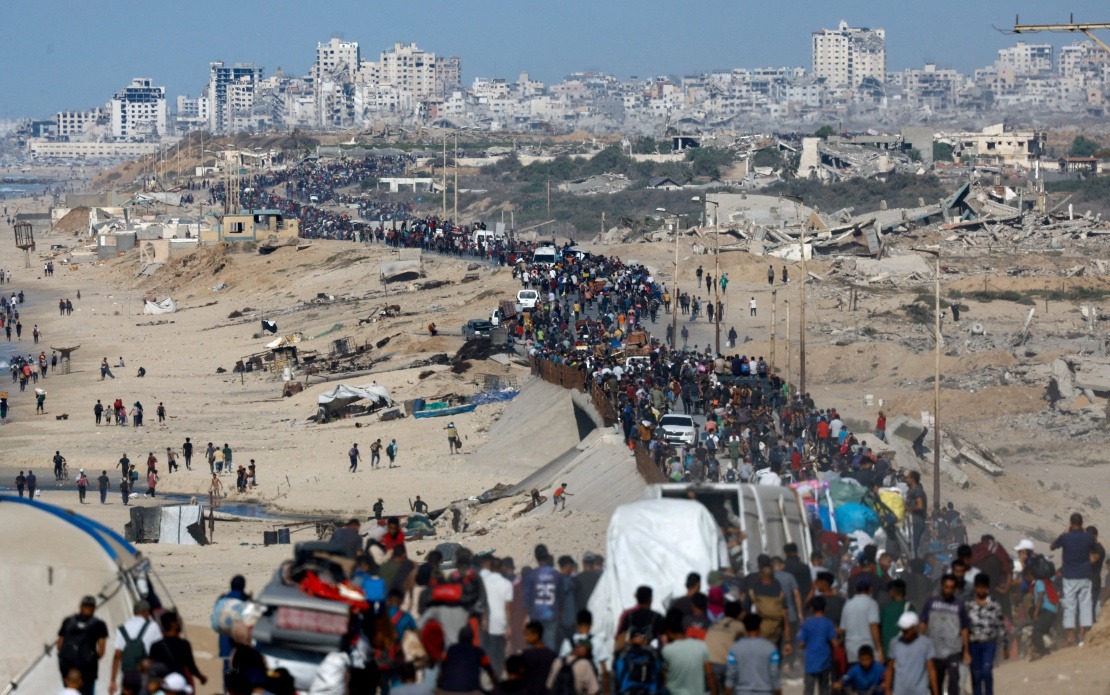
The Palestinian Foreign Ministry has issued a forceful rejection of mounting international pressure to dismantle or restrict the mandate of the United Nations Relief and Works Agency for Palestine Refugees in the Near East, underscoring UNRWA's indispensable role across the occupied Palestinian territories and neighbouring refugee host states. The statement represents a significant pushback against a growing challenge to the agency's legitimacy and operational scope, particularly from the Trump administration's newly constituted Board of Peace, which has begun questioning UNRWA's future presence in Gaza.
According to Palestinian officials, UNRWA performs essential functions that span the full spectrum of humanitarian and social support services. The agency delivers educational programmes across the territories, operates healthcare facilities serving both emergency and chronic conditions, administers social protection systems for vulnerable populations, and provides emergency relief assistance when crises emerge. These operations extend throughout the occupied Palestinian territories including East Jerusalem, across the Gaza Strip, and within refugee camps scattered throughout neighbouring countries that have hosted Palestinian populations for generations. Palestinian authorities stress that no other international institution possesses the infrastructure, mandate, or operational capacity to replicate this scope of work.
The Palestinian position rests fundamentally on the assertion that UNRWA operates under legitimate international legal authority. The ministry emphasises that the agency was established through United Nations mandate and conducts its operations in strict accordance with established international law frameworks. This legal foundation, they argue, creates binding obligations on the international community to respect the agency's mandate, privileges, and immunities. The Palestinian government has formally called upon all states, international institutions, and multilateral organisations to recognise and protect UNRWA's standing under international law, safeguard its personnel and facilities, and permit continued operations until a comprehensive resolution to the Palestinian refugee question is achieved through internationally recognised legal mechanisms.
A central dimension of the Palestinian argument concerns the conceptual and political implications of any attempt to dissolve or fundamentally alter UNRWA's role. Palestinian authorities reject what they characterise as efforts to undermine the agency's mandate without simultaneously addressing the foundational causes that generated the Palestinian refugee crisis. They contend that humanitarian assistance, while necessary and urgent, cannot substitute for what they describe as the inalienable rights of the Palestinian people, particularly the internationally recognised refugee rights enshrined in United Nations General Assembly Resolution 194. This position reflects a concern that dismantling UNRWA could be employed as a mechanism to foreclose Palestinian refugees' legal rights to return or to receive compensation.
The Palestinian statement also addresses the linguistic and geographic dimensions of the current dispute. Officials have rejected terminology that they argue seeks to fragment Palestinian identity and territorial integrity. Specifically, they reaffirm that the Gaza Strip constitutes an integral and inseparable component of the occupied State of Palestine, rejecting any conceptual framework that treats Gaza as distinct or separable from Palestinian sovereignty. This assertion underscores Palestinian determination to preserve unity across the disparate territorial enclaves where Palestinians reside, including the West Bank, East Jerusalem, and the diaspora communities scattered internationally.
The timing and provocative language of the Trump administration's Board of Peace declaration has intensified this controversy considerably. The board, established in January through Trump's direct initiative as a vehicle for achieving what officials characterise as a permanent peace settlement in Gaza, announced Wednesday that UNRWA possesses no place in any future Gaza reconstruction scenario. The board further declared itself committed to abandoning what it described as perpetual cycles of aid dependency and conflict, framing Gaza's population as deserving superior alternatives to existing humanitarian frameworks. This position represents a sharp departure from the established international consensus regarding UNRWA's necessity and legitimacy.
The Board of Peace itself reflects the Trump administration's broader strategic approach to Israeli-Palestinian questions. The initiative constitutes the second phase of a comprehensive twenty-point plan designed to terminate the ongoing conflict in Gaza, a plan that secured backing through a United Nations Security Council resolution adopted in November of the previous year. The first substantive meeting of the board concerning Gaza occurred in February at the Washington-based United States Institute of Peace, with Trump personally presiding over proceedings. This institutional arrangement demonstrates the administration's high-level commitment to reshaping the fundamental structures governing humanitarian assistance and political settlement in the region.
For Malaysian and Southeast Asian observers, these developments carry significant implications for humanitarian law and international institution-building. The potential dismantling of UNRWA would represent an unprecedented challenge to the post-Second World War consensus regarding refugee protection and international humanitarian responsibility. Malaysia, as a nation with substantial Palestinian solidarity constituencies and as a regional actor invested in international law adherence, faces potential pressure regarding its diplomatic positioning on these questions. The UNRWA question also intersects with broader regional concerns regarding humanitarian standards and the obligations of international actors toward vulnerable populations displaced by conflict.
The broader Gaza conflict remains catastrophically destructive in human terms. According to Palestinian health authorities, the military operations launched with American support in October 2023 have resulted in more than 73,000 Palestinian fatalities and exceeded 173,000 injured, with documented evidence indicating that women and children comprise the preponderance of these casualty figures. These casualty levels situate the Gaza conflict among the deadliest contemporary humanitarian disasters globally, generating displaced populations numbering in the millions and creating unprecedented demands upon existing humanitarian infrastructure. Any disruption to UNRWA's operations would exacerbate the already severe humanitarian conditions affecting Gaza's vulnerable population.
The Palestinian rejection of UNRWA dissolution ultimately reflects a strategic concern extending beyond immediate humanitarian logistics. Palestinian officials fear that dismantling the agency could permanently entrench current territorial arrangements and foreclose options for eventual refugee repatriation or compensation. By defending UNRWA's mandate as inseparable from Palestinian refugee rights under international law, Palestinian authorities are essentially defending the legal framework underpinning their long-term claims to refugee justice. This defensive posture illustrates how humanitarian institutions have become entangled with fundamental political disputes regarding Palestinian statehood, refugee rights, and the parameters of any eventual permanent settlement.
The international community faces escalating pressure to take positions on whether UNRWA should continue operating or whether alternative mechanisms should supplant the agency. Nations must balance competing considerations including humanitarian imperatives, support for American diplomatic initiatives, respect for international legal frameworks, and their own strategic interests regarding Middle Eastern stability. For Malaysia and other Southeast Asian states, these pressures create diplomatic complications as traditional sympathy for Palestinian causes intersects with practical concerns regarding international institution preservation and humanitarian effectiveness in one of the world's most challenging operating environments.

