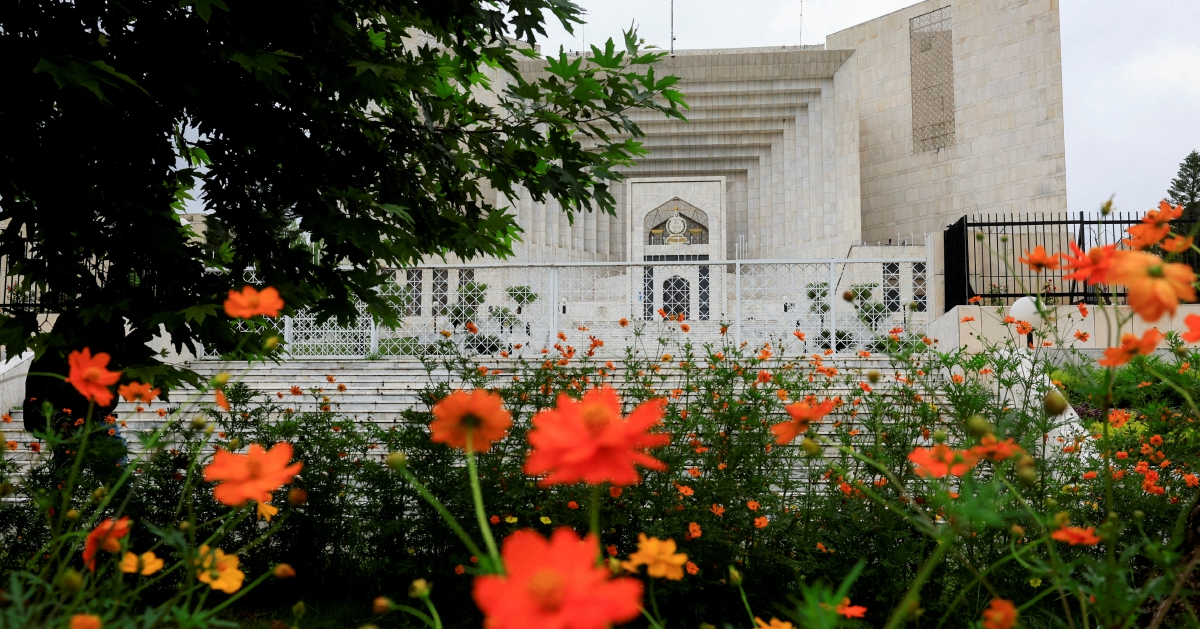
Pakistan's jailed former Prime Minister Imran Khan has been transferred to a hospital for medical examinations under orders from the country's Supreme Court, according to an announcement from his political party early Friday. The move represents a significant intervention by the nation's highest judicial authority in the case of Khan, who remains the most influential and charismatic political figure in the country despite his imprisonment.
The transfer occurred following mounting pressure regarding Khan's health and welfare during his detention. His political organisation disclosed the development in a statement, confirming that the Supreme Court had specifically ordered the hospital admission to enable proper medical assessment. This judicial intervention underscores the high-profile nature of Khan's case and the continued scrutiny surrounding his custody conditions.
Imran Khan's imprisonment has become one of Pakistan's most contentious political matters, attracting international attention and generating substantial public discourse about the judicial system, democratic governance, and the treatment of detained political figures. His popularity among Pakistan's youth and urban electorate remains substantial, with supporters arguing that his detention represents a broader assault on democratic freedoms in the country.
The cricketer-turned-politician, who served as Prime Minister until his removal in April 2022, has faced multiple charges since his arrest. These allegations range from economic crimes to national security concerns. His supporters contend that the legal proceedings are politically motivated, designed to neutralise his influence and remove an obstacle to rival power centres. The government and judiciary have consistently denied such allegations, maintaining that Khan faces charges based on genuine legal violations.
Khan's detention has sparked considerable international diplomatic concern, with various foreign governments and human rights organisations expressing worry about the state of democracy and rule of law in Pakistan. The Supreme Court's decision to order his medical evaluation may reflect judicial recognition of the intense public and international attention surrounding his case, as well as genuine health concerns that have been raised by his party and legal representatives.
The healthcare intervention also highlights the delicate political balance within Pakistan's institutional framework. The Supreme Court's willingness to intervene directly in Khan's detention circumstances demonstrates the judiciary's position as an independent actor within the country's power structure, occasionally constraining executive and law enforcement actions even when they involve prominent political prisoners.
Since his dramatic arrest in August 2023, Khan has become a symbol of resistance against what his supporters characterise as authoritarian governance. His party, Pakistan Tehreek-e-Insaf, has repeatedly claimed that he has been subjected to torture and denied proper medical attention while in custody. These allegations have not been independently verified, but they have influenced international perceptions of Khan's case and Pakistan's treatment of political detainees.
The hospital transfer offers Khan's supporters a temporary relief, though it remains uncertain whether the medical examination will substantially improve his conditions or lead to any change in his legal status. Medical tests ordered by the Supreme Court could potentially become ammunition in Khan's legal defence, should doctors document any health deterioration attributable to his imprisonment.
Khan's case exemplifies the broader tension in Pakistani politics between civilian democratic institutions and security-oriented governance structures that have historically dominated the country. His rise from sports celebrity to political leader represented a challenge to Pakistan's traditional feudal power elite, making his detention particularly symbolically significant for debates about democratic transformation in South Asia's second-largest country.
For Malaysian observers and regional analysts, Khan's predicament offers important lessons about institutional checks on executive power and the role of courts in protecting individual rights during political turbulence. The Supreme Court's medical intervention, while seemingly modest, suggests that even in systems facing authoritarian pressures, judicial institutions can occasionally assert independence to prevent the most egregious government overreach.
The hospital transfer also reflects international pressure on Pakistan regarding detention practices and judicial fairness. Pakistan's strategic importance to regional stability and its status as a nuclear-armed nation have elevated international concern about its internal governance and respect for legal norms, particularly regarding high-profile political cases that attract global media attention.

