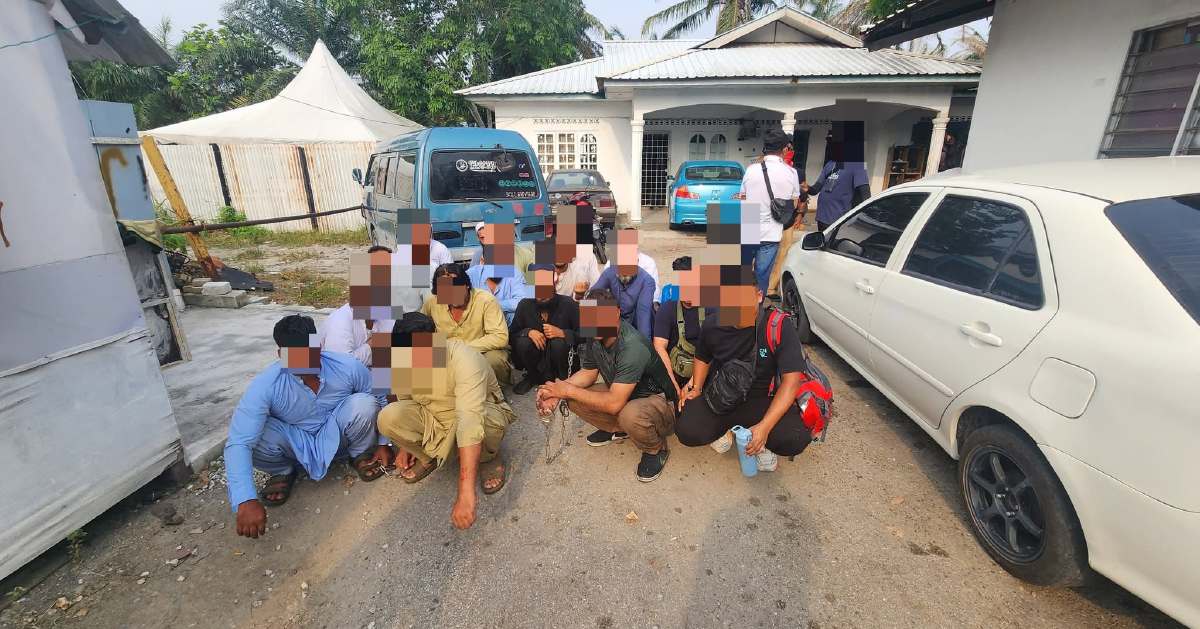
A significant blow has been dealt to organised crime in the Klang Valley following the arrest of 20 suspects in connection with a sprawling vehicle parts dismantling and trafficking syndicate. The raid, conducted yesterday by the Immigration Department at a facility along Jalan Kapar in Klang, targeted what investigators believe is a large-scale operation controlled by foreign nationals engaged in the systematic theft and resale of automotive components. Among those taken into custody is a Pakistani national suspected of orchestrating the entire enterprise.
The dismantling operation appears to have been running with considerable sophistication, suggesting multiple layers of coordination between sourcing stolen vehicles, breaking them down for parts, and distributing those components through illicit networks. Such syndicates represent a persistent challenge for Malaysian law enforcement, as they generate substantial profits while fuelling broader vehicle theft problems across the country. The scope of the bust—involving two dozen individuals at a single location—indicates authorities may have successfully penetrated what is likely a much larger organisational structure.
Foreign involvement in organised crime syndicates operating on Malaysian soil has become increasingly common, particularly in labour-intensive operations like vehicle dismantling. These networks typically exploit gaps between jurisdictions, recruit vulnerable migrant workers, and leverage international connections to move stolen goods beyond borders. The presence of a Pakistani mastermind aligns with broader patterns observed by regional law enforcement agencies, where foreign criminals establish themselves as apex figures within Malaysian-based operations while maintaining lower visibility than domestic counterparts.
The location in Klang is particularly significant given the area's density of industrial facilities and proximity to major transportation corridors. Klang's strategic position as a logistics hub makes it an attractive base for criminal enterprises seeking to move stolen vehicles and parts efficiently. The proximity to Port Klang also presents potential export opportunities, allowing syndicate members to ship components to international markets where demand for second-hand automotive parts remains robust, particularly across South and Southeast Asia.
The Immigration Department's involvement in the operation suggests the investigation identified undocumented or visa-breaching foreign nationals, potentially several of them, which prompted their agency to participate alongside what would likely have been Royal Malaysia Police and possibly the Commercial Crime Investigation Department. This inter-agency coordination reflects growing recognition that transnational organised crime requires integrated responses spanning immigration enforcement, police investigations, and customs oversight.
Vehicle parts syndicates create ripple effects throughout the Malaysian economy and society. Beyond the direct losses suffered by vehicle owners whose cars are targeted, such operations drive up insurance premiums, reduce property values in targeted areas, and divert law enforcement resources. Additionally, the prevalence of stolen parts in the aftermarket creates safety risks, as vehicle owners purchasing cheap components unknowingly may install substandard or counterfeit parts that compromise vehicle integrity.
The arrest of the suspected mastermind carries particular investigative value. Senior figures within criminal syndicates typically possess intelligence about supplier networks, distribution channels, financial arrangements, and other operatives involved in the larger ecosystem. Through interrogation and evidence analysis, authorities may uncover connections to other criminal groups, vehicle theft rings, and potentially money laundering operations used to legitimise profits from the parts trade.
For Malaysian vehicle owners, such busts offer temporary reassurance, though experts caution that dismantling operations are often compartmentalised. Even with 20 arrests, other cells may continue functioning. The arrest of leadership does create investigative momentum that may lead to further disruptions, particularly if detained individuals provide actionable intelligence about supply chain partners and customer networks for stolen parts.
The timing of the raid also raises questions about intelligence gathering methods. Successful operations against entrenched syndicates typically result from sustained investigation, informant networks, or financial tracking. Understanding how authorities identified and penetrated this Klang operation may yield insights into law enforcement's capacity to combat organised crime in the state, where industrial areas provide cover for illicit activities.
Regionally, this bust contributes to broader anti-crime cooperation efforts across Southeast Asia. Vehicle parts trafficking often extends beyond Malaysia, with components shipped to Thailand, Indonesia, and beyond. Intelligence sharing between Malaysian authorities and counterparts in neighbouring countries may accelerate further arrests and asset seizures as the investigation develops.
The criminal enterprise dismantled yesterday represents the type of sophisticated organised crime that requires sustained law enforcement attention beyond the headline-grabbing arrest phase. Success will ultimately be measured not merely by the number of people detained, but by the extent to which the investigation disrupts the underlying infrastructure—financial networks, supply chains, and international connections—that enabled the syndicate to function.

