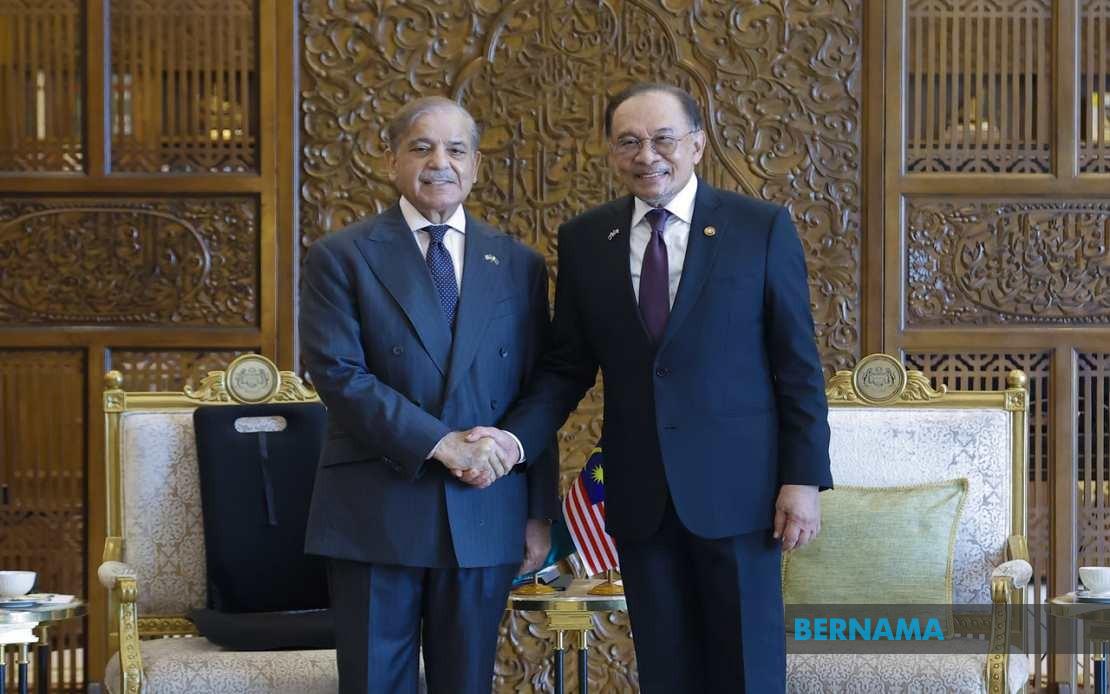
Malaysian Prime Minister Datuk Seri Anwar Ibrahim received warm wishes from his Pakistani counterpart Shehbaz Sharif on Monday as the Malaysian leader prepared to undergo medical examinations and procedures on August 10. The gesture of solidarity underscores the diplomatic ties between the two nations and reflects the personal regard senior leaders in South Asia and Southeast Asia maintain for one another despite their distinct geopolitical contexts.
Shehbaz Sharif conveyed his support through a post on X, addressing Anwar as a "dear brother" and invoking religious sentiment by praying for Allah's blessing upon the Malaysian premier. The Pakistani Prime Minister's public expression of concern signals the importance both countries place on their bilateral relationship at the highest levels of government. Such exchanges, while ostensibly personal in nature, serve important functions in maintaining warm relations between neighbouring and strategically important Asian nations.
According to Anwar's Senior Press Secretary Tunku Nashrul Abaidah, the procedures being undertaken were prescribed by a team of specialist medical professionals and would involve a comprehensive course of medical examinations. The formal confirmation through the Prime Minister's office indicated that the Malaysian government viewed the matter seriously enough to provide transparent communication to the public and international partners. This openness contrasts with some regional practices where leaders maintain strict privacy regarding their health matters.
The Malaysian PM was expected to remain under medical observation for a period of two days following the procedures, a timeline typical for diagnostic and minor therapeutic interventions requiring specialist oversight. The relatively brief observation window suggested the procedures were not of an immediately life-threatening nature, though significant enough to warrant international-level notification and well-wishers from neighbouring countries.
The exchange between Anwar and Shehbaz Sharif reflects broader patterns of regional diplomatic courtesy that have become established norms among ASEAN and South Asian leadership. Pakistan, while not an ASEAN member, maintains active engagement with the bloc through various forums and bilateral relationships. Shehbaz Sharif's personal touch in wishing Anwar well demonstrates how contemporary political leadership balances formal state-to-state relations with more informal expressions of solidarity.
For Malaysian observers, the international attention to Anwar's health procedures underscores his significance as a regional political figure. The Malaysian Prime Minister has been instrumental in various ASEAN initiatives and bilateral engagements across Southeast Asia and beyond. His temporary indisposition therefore carries implications not merely for domestic governance but for Malaysia's positioning within regional diplomatic and economic frameworks.
The timing of the procedures in August coincided with a period of important regional activity, as ASEAN nations engage in ongoing dialogue mechanisms and bilateral relations. Anwar's brief absence from his official duties during the observation period would require careful coordination among his ministerial team to ensure continuity in government functions and international engagements. The Malaysian Cabinet's capacity to operate effectively during such periods reflects the maturity of institutional frameworks.
Shehbaz Sharif's invocation of Islamic religious sentiment—invoking Allah's blessing—speaks to shared cultural and religious contexts that Pakistani and Malaysian leaders often reference in bilateral communications. Islam constitutes a significant dimension of national identity for both nations, and leaders frequently draw upon these commonalities when expressing personal concern or solidarity with counterparts.
The public nature of Shehbaz Sharif's well-wishes also serves a communications function within Pakistan itself, signalling to domestic audiences the importance his government places on friendly relations with Southeast Asian partners, particularly Malaysia. Pakistan has long sought to strengthen its position within Asian diplomatic networks, and maintaining warm relations with key ASEAN players contributes to that strategic objective.
For Malaysia's health sector, the scheduling of such high-level procedures reflects the country's medical capabilities and the confidence international partners place in Malaysian healthcare institutions. The nation has developed a reputation for medical expertise and modern facilities, attracting patients and serious health interventions from across the region. When a national leader opts to undergo procedures domestically rather than seeking treatment abroad, it reinforces perceptions of institutional quality.
The episode also demonstrates how modern communication technologies, particularly social media platforms like X, have transformed the mechanics of diplomatic expression. Rather than relying solely on formal diplomatic channels or public statements, world leaders now employ social media to convey personal messages that simultaneously reach international audiences and domestic publics. This democratization of diplomatic communication creates immediate transparency but also requires careful messaging.
Anwar's leadership of Malaysia during a complex period of regional economic adjustment and geopolitical repositioning means his health and availability for duty carries weight beyond personal considerations. The Malaysian government's handling of the medical procedures—with transparent communication and appropriate scheduling—demonstrates institutional professionalism and public health governance standards that reflect positively on national administration during a sensitive period.

