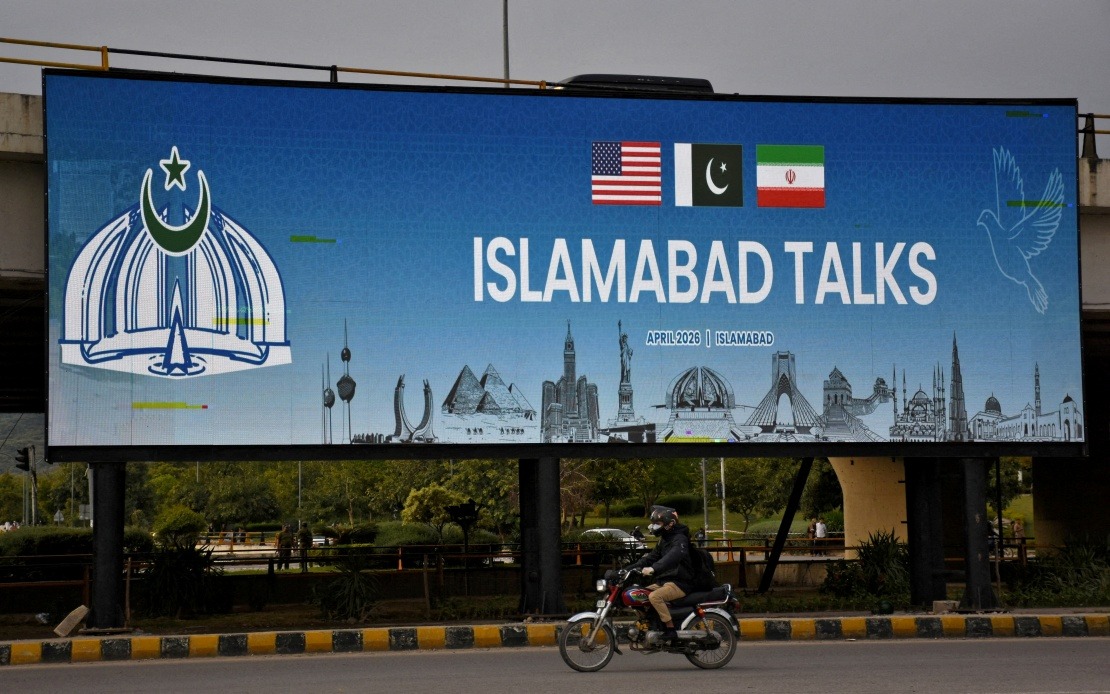
Pakistan has been selected as the venue for the resumption of direct negotiations between the United States and Iran on July 11, according to multiple regional media reports. The development signals continued international efforts to consolidate the fragile ceasefire agreement reached between Washington and Tehran in mid-June, with emphasis on resolving longstanding disputes over economic sanctions, frozen Iranian assets, and the contentious nuclear issue.
The choice of Pakistan as a neutral ground for these high-stakes discussions reflects the country's historical role as a diplomatic intermediary in South Asian and Middle Eastern affairs. Islamabad's positioning as a bridge between the Western powers and Iran underscores the delicate nature of these negotiations, which require a trusted third party to facilitate dialogue on matters that have strained international relations for decades. The venue selection also carries significance for the region, as successful US-Iran engagement could reshape geopolitical dynamics across Asia and the broader international system.
These talks build upon the memorandum of understanding signed remotely between the United States and Iran in the early hours of June 18. That agreement established a framework to end the military hostilities that erupted on February 28, marking a dramatic shift from direct confrontation to diplomatic engagement. The accord included specific operational commitments: the United States agreed to lift its naval blockade of Iranian ports within a defined timeframe, while Iran pledged to restore maritime commerce through the Strait of Hormuz, one of the world's most strategically critical waterways for global energy supplies.
The July 11 agenda will focus on three interconnected challenges that have proven most contentious in previous rounds of negotiation. First, the parties must establish mechanisms for comprehensive sanctions relief, a core Iranian demand that remains central to any lasting settlement. Second, they must address the practical and legal frameworks for unfreezing Iran's assets that have been locked in international financial systems, a matter with profound implications for Iran's economic recovery and regional stability. Third, and perhaps most complexly, they must chart a path toward resolving Iran's nuclear programme through a separate bilateral agreement to be negotiated within a 60-day window.
Iran's commitment under the June memorandum to forgo the acquisition of nuclear weapons represents a significant concession, yet the details of verification, inspection regimes, and technical specifications remain to be hammered out. For the Iranian delegation arriving in Pakistan, success means securing sanctions removal—the fundamental objective that has driven Tehran's diplomatic strategy. For American negotiators, the challenge lies in verifying Iranian compliance while maintaining allied confidence in the agreement's durability, a tension that has complicated previous nuclear negotiations in the region.
The timing of these talks carries particular weight given recent developments in Iranian leadership. The Iranian delegation's composition will be finalized only after the funeral of former Iranian Supreme Leader Ali Khamenei, scheduled for July 9. This postponement reflects the solemnity surrounding the death of Iran's most influential figure since the 1979 revolution, but it also raises questions about potential shifts in Iran's negotiating position under new leadership. Transitional periods in Iranian governance have historically created both obstacles and unexpected opportunities for diplomatic breakthroughs, as new officials sometimes seek to establish their credentials through bold diplomatic gestures.
For Malaysia and Southeast Asian nations, the implications of renewed US-Iran engagement extend beyond the bilateral relationship. The stability of the Strait of Hormuz, through which roughly one-third of global maritime energy trade passes, directly affects regional energy security and economic growth. Malaysian companies with interests in oil and gas markets, shipping operations, and international finance are particularly sensitive to fluctuations in Iran-related sanctions regimes and their enforcement by American authorities. A successful resolution could unlock new trade opportunities and reduce the risk premium that currently inflates energy costs across Asia.
The six-decade suspension also holds lessons for multilateral diplomacy in the Indo-Pacific region. The willingness of both the United States and Iran to return to dialogue after severe confrontation demonstrates that even deeply entrenched disputes can be reopened through sustained pressure, mediating states, and pragmatic acknowledgment of mutual interests. This precedent may influence how regional states approach their own bilateral disputes and how ASEAN nations calibrate their relationships with major powers pursuing competing strategic objectives.
Pakistan's selection as host carries additional significance given Islamabad's complex relationship with both Washington and Tehran. Pakistan has historically walked a precarious line between maintaining its American security partnership and respecting Iranian interests across their shared border. By offering its territory as neutral ground, Pakistan reinforces its position as an indispensable regional actor and potentially leverages the negotiations to strengthen ties with both parties. Such diplomatic capital could prove valuable for Pakistan as it navigates its own economic and security challenges.
The 60-day window for negotiating a comprehensive nuclear agreement represents a compressed but realistic timeframe for resolving technical details. Both sides have experience from previous nuclear talks, most notably the 2015 Joint Comprehensive Plan of Action, which provides both a template and cautionary lessons about the pitfalls of nuclear diplomacy. The parties must build institutional mechanisms that survive changes in administrations and remain resilient to domestic political pressures from hardliners on both sides.
Success in Pakistan would demonstrate that even when military escalation occurs, diplomatic off-ramps remain available if both parties perceive mutual benefit in de-escalation. The outcome will shape not only the US-Iran relationship but also influence how other regional powers—including Saudi Arabia, Gulf states, and Israel—calibrate their own strategic positioning in the Middle East and Indian Ocean region. For Southeast Asia, watching these negotiations unfold offers valuable insights into how major power competition and cooperation will evolve across Asia in the coming years.

