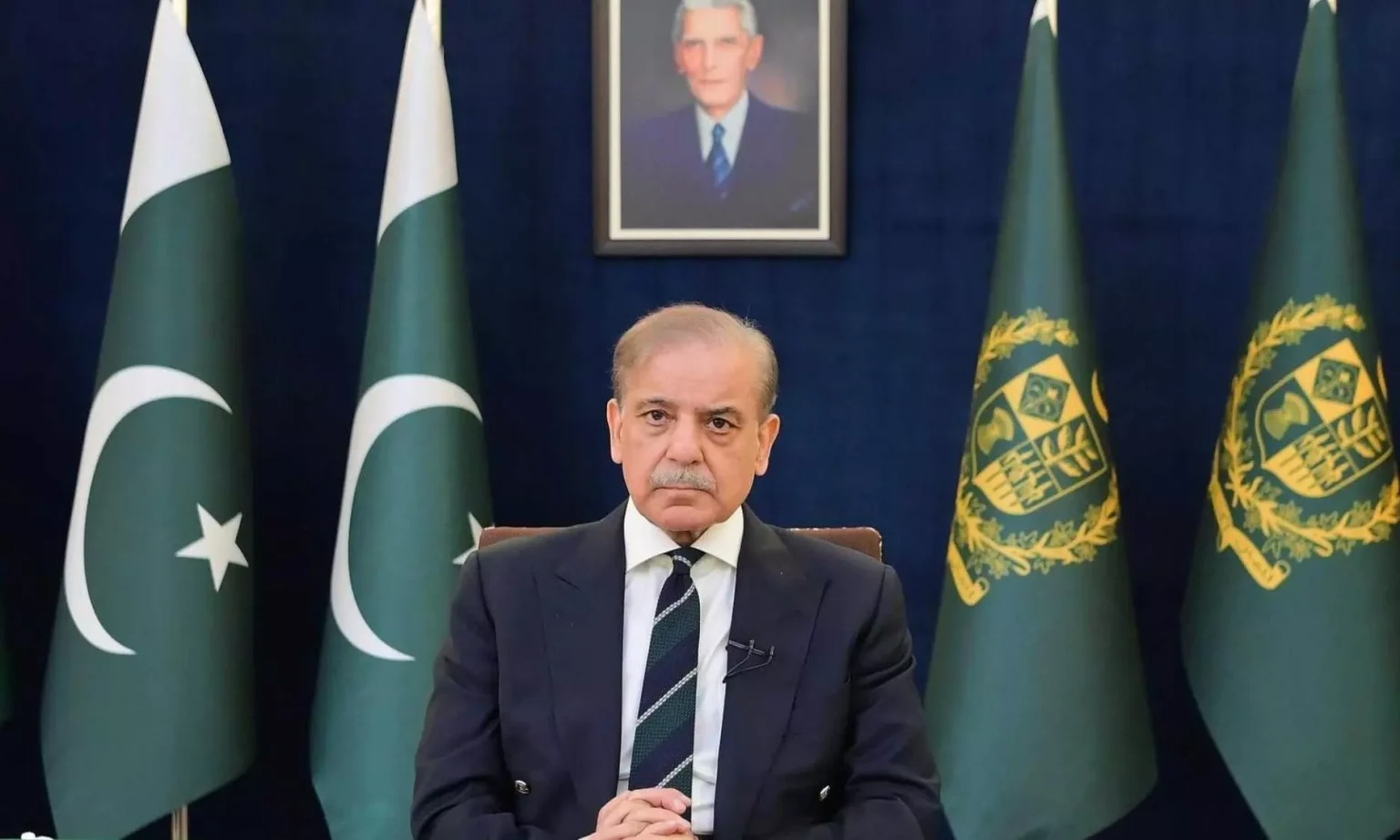
Pakistan Prime Minister Shehbaz Sharif is set to participate in the funeral ceremony of Iran's Supreme Leader Ayatollah Ali Khamenei in Tehran on July 4, signalling Islamabad's commitment to honouring diplomatic ties with one of its closest regional allies. The announcement came from Pakistan's Foreign Ministry through spokesman Tahir Andrabi at a media briefing in Islamabad on Thursday, underscoring the importance both nations place on their strategic relationship at a particularly sensitive moment in Iranian politics.
The attendance represents more than ceremonial recognition. Through Sharif's presence, Pakistan will formally convey official condolences from both the Pakistani government and people to Iran's leadership and Khamenei's family members. This gesture carries symbolic weight in Pakistan's broader Middle Eastern diplomacy, particularly given the country's historical ties with Tehran spanning decades of economic, security, and cultural cooperation. The funeral visit also reflects Pakistan's careful navigation of its relationships across the Islamic world, where showing respect to a deceased senior religious and political figure carries substantial diplomatic implications.
Shahbaz's delegation will be notably comprehensive, extending well beyond the Prime Minister himself. Deputy Prime Minister and Foreign Minister Ishaq Dar will accompany him, alongside additional cabinet ministers whose specific identities reflect the multifaceted nature of Pakistan-Iran relations. The inclusion of such high-ranking officials suggests Pakistan intends to use the occasion not merely as a ceremonial visit but as an opportunity for substantive engagement with Iran's transitional leadership during what will undoubtedly be a period of significant internal political adjustment in Tehran.
The timing of the funeral visit—scheduled for July 4—is part of a broader three-day diplomatic mission spanning July 3 to 5. This extended timeframe permits Sharif and his delegation to conduct preliminary discussions with Iranian officials while attending the funeral ceremonies, allowing for direct engagement with key decision-makers during their period of heightened visibility and accessibility. Such back-channel conversations during state funerals often prove valuable for clarifying strategic positions and addressing bilateral concerns.
Following the Tehran leg of his journey, Shehbaz will travel to Turkey at the formal invitation of Turkish President Recep Tayyip Erdogan. This continuation of the diplomatic tour suggests a coordinated regional engagement strategy, potentially addressing interconnected bilateral and regional issues affecting Pakistan, Iran, and Turkey. The planned discussions in Ankara indicate Pakistan's desire to address matters of mutual concern across multiple fronts simultaneously, capitalizing on the momentum generated by high-level engagement across the region.
Meanwhile, India will maintain diplomatic presence at the funeral through a more restrained representation. Bihar state Governor Syed Ata Hasnain and Deputy Foreign Minister Pabitra Margherita have been designated to attend Khamenei's funeral ceremony on India's behalf. This choice of representatives—a state governor rather than a federal minister—reflects a different diplomatic calibration compared to Pakistan's approach, suggesting India's more cautious positioning regarding Iran's internal political transition and its implications for South Asian geopolitics.
The contrasting levels of representation from Pakistan and India merit analytical attention. Pakistan's decision to send its Deputy Prime Minister and Foreign Minister, alongside the Prime Minister himself, demonstrates Islamabad's view of its relationship with Iran as a cornerstone regional partnership requiring high-level nurturing during periods of transition. India's selection of state and deputy-level officials, while respectful, suggests a more measured engagement stance, possibly reflecting New Delhi's complex balancing act between its international partnerships and its own strategic calculations in the region.
For Malaysia and broader Southeast Asia, Pakistan's commitment to attending the funeral holds relevance as an indicator of how Muslim-majority nations in Asia approach diplomatic protocol and religious-political sensitivity. It demonstrates the enduring weight placed on ceremonial representation and personal presence in high-level international diplomacy, even as communications technology makes physical attendance increasingly optional. The decision underscores how regional geopolitics remain deeply embedded in traditional practices of honour, respect, and face-to-face engagement.
Khamenei's death marks a significant moment in Iranian politics with potential ramifications extending throughout Asia. Pakistan's immediate diplomatic response—manifested through high-level funeral attendance and subsequent bilateral engagements—reflects Islamabad's commitment to maintaining strategic continuity regardless of leadership transitions in neighbouring countries. This approach suggests Pakistan views its relationship with Iran as transcending individual personalities, anchored instead in deeper geographical, religious, and economic interdependencies that persist across political changes.
The diplomatic choreography surrounding the funeral also illustrates how major regional powers stage their presence at such events to communicate messages about their international standing and relationships. Pakistan's delegation size and composition conveys confidence in its relationship with Iran and signals to other regional actors—particularly the United States, China, and India—that Islamabad intends to preserve and potentially deepen its strategic positioning in this critical region, even amid Iran's internal upheaval.

