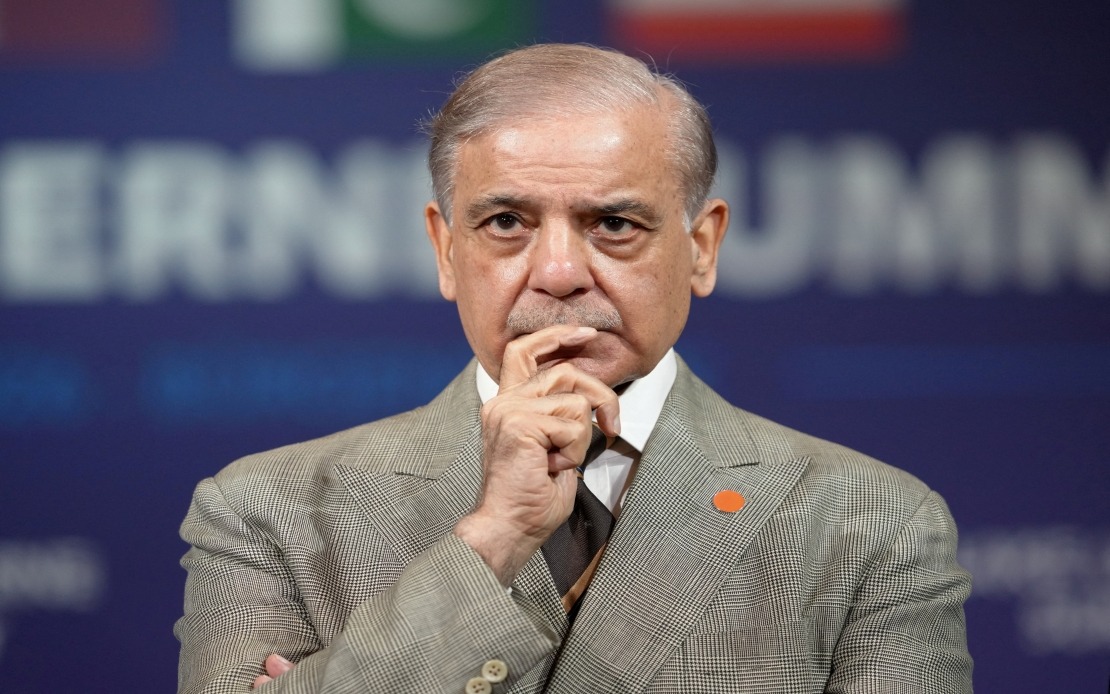
Pakistan and Turkey are moving to substantially deepen their economic relationship, with Prime Minister Shehbaz Sharif and President Recep Tayyip Erdogan reaching broad commitments during high-level talks in Istanbul on Saturday. The bilateral engagement reflects both nations' strategic interest in diversifying their economic partnerships amid shifting geopolitical alignments in Asia and the Eastern Mediterranean, with implications that extend to broader regional trade dynamics affecting Southeast Asia's emerging supply chains.
During meetings in the Turkish capital, the two leaders discussed both immediate bilateral concerns and longer-term regional economic frameworks. Sharif went beyond traditional diplomatic courtesies by directly engaging with Turkey's private sector, appearing before a Pakistan-Turkey business conference where representatives of major Turkish conglomerates gathered to explore investment opportunities. This business-focused dimension to the visit underscores a fundamental shift toward translating political goodwill into concrete commercial relationships, a pattern increasingly common among South and West Asian nations seeking to build resilience through economic interdependence.
Central to the discussions was an ambitious target of achieving US$5 billion in annual bilateral trade, a figure that represents meaningful growth from current levels and signals confidence in expanding commerce across multiple sectors. The target reflects both countries' recognition that their relationship has historically underperformed relative to geographic proximity, cultural ties, and complementary economic needs. For Pakistan, which faces persistent balance-of-payments pressures and requires foreign investment, Turkey represents an accessible gateway to European markets and a source of manufacturing expertise. For Turkey, Pakistan offers access to South Asian markets and potential cooperation on regional infrastructure projects.
Energy cooperation emerged as a cornerstone of the partnership discussions, reflecting Pakistan's acute need for reliable power supplies to fuel industrial growth and Turkey's expertise in energy infrastructure development and management. Beyond conventional sectors, both nations identified critical minerals as an area demanding urgent collaboration, particularly as global supply chains for technologies ranging from electric vehicles to renewable energy systems become increasingly dependent on minerals including lithium, cobalt, and rare earths. Pakistan's substantial mineral deposits and Turkey's processing capabilities could create synergies that benefit both economies.
A particularly innovative element of the partnership involves the proposed Pakistan-Turkey digital corridor, which Sharif outlined during meetings with Turkcell chief executive officer Ali Taha Koc. This initiative aims to transcend traditional trade frameworks by establishing integrated digital infrastructure that would facilitate secure cross-border data flows and position both nations as regional technology hubs. Such connectivity could have spillover benefits for Southeast Asia by creating alternative digital pathways and reducing dependence on infrastructure concentrated in East Asia, thereby diversifying regional technological resilience.
The delegation approach to the visit demonstrated institutional seriousness about the economic agenda. Deputy Prime Minister and Foreign Minister Ishaq Dar participated in sectoral meetings alongside ministers controlling maritime affairs, energy, petroleum, privatisation, information technology, and telecommunications portfolios. This comprehensive ministerial engagement ensured that discussions addressed not merely aspirational targets but actionable investment pathways within specific industries. The inclusion of telecommunications and IT officials specifically signals recognition that digital economy integration must accompany traditional infrastructure development.
Turkish corporate participation reflected significant business interest in the Pakistani market and investment opportunities. Executives from Koc Holding, one of Turkey's largest industrial conglomerates with interests spanning automotive, energy, and consumer goods, joined representatives from appliance manufacturer Arcelik, gas distribution specialist Aygaz, and export-focused Demir Export. The diversity of these companies suggests that Turkish business sees multifaceted opportunities rather than niche investment possibilities, indicating confidence in Pakistan's medium-term economic trajectory despite acknowledged macroeconomic challenges.
Manufacturing cooperation represents another dimension of the expanding relationship, with particular emphasis on industrial investment in Pakistan's Special Economic Zones and free trade areas. Turkish companies possess established expertise in textile production, automotive component manufacturing, and food processing—sectors where Pakistan has competitive advantages in raw materials and labor costs. Joint ventures in these areas could create employment while enabling Pakistani companies to access Turkish technology and international market networks.
The timing of this economic push carries significance within Pakistan's broader foreign policy context. The government has been actively cultivating relationships with multiple powers, including China, Saudi Arabia, and the United States, while simultaneously pursuing closer ties with traditional allies. Turkey occupies a unique position as a Muslim-majority nation with deep economic integration into Western markets, making it an attractive partner for countries seeking to balance geopolitical relationships. For Malaysia and other ASEAN nations, Pakistan-Turkey cooperation in digital corridors and critical minerals processing could eventually create new trade routes that bypass traditional chokepoints.
Investment in transportation infrastructure, another area highlighted in the bilateral discussions, could eventually link Pakistani ports with Turkish logistics networks and European markets through overland routes, potentially creating alternative supply chain pathways that reduce reliance on maritime routes through the Strait of Malacca. Such connectivity would have regional implications for all Asian economies dependent on global trade flows.
The establishment of clear sectoral working groups and regular ministerial meetings signals that both governments intend to move beyond rhetorical commitments toward structured economic engagement. Pakistani officials indicated that discussions covered specific investment opportunities within defined timeframes, suggesting that concrete projects may emerge within months rather than years. This operational focus distinguishes the current partnership push from earlier bilateral initiatives that sometimes stalled at the conceptual stage.
The business community reception to the initiative appears positive, with Turkish companies demonstrating active interest in Pakistan's privatisation agenda and infrastructure development projects. Pakistan's privatisation ministry's participation suggests that state-owned enterprises, particularly in energy and utilities, may become focal points for Turkish investment. Such participation could inject operational improvements and international expertise into these critical sectors.
Regional dynamics also shape this bilateral engagement. Both nations maintain interests in Afghanistan's stability and economic integration, potential areas for coordinated efforts. Additionally, connectivity initiatives between Pakistan and Turkey could eventually link to broader Belt and Road infrastructure, creating multipolar economic networks that provide alternatives to existing power structures. For Southeast Asia, such diversification of regional economic connections strengthens the broader Indo-Pacific economic architecture and reduces concentration risk in global value chains.

