Pakistan and Syria have signalled a significant warming of bilateral relations, with plans to deepen cooperation across multiple sectors ranging from defence and trade to education and people-to-people exchanges. The renewed engagement marks a pivotal moment in their diplomatic relationship, culminating in Syrian Foreign Minister Asaad Hassan Al Shaibani's landmark visit to Islamabad—the first visit by a Syrian foreign minister to Pakistan in nearly two decades. This development underscores both nations' commitment to revitalising longstanding ties that have historically remained underdeveloped despite shared regional interests and cultural connections.
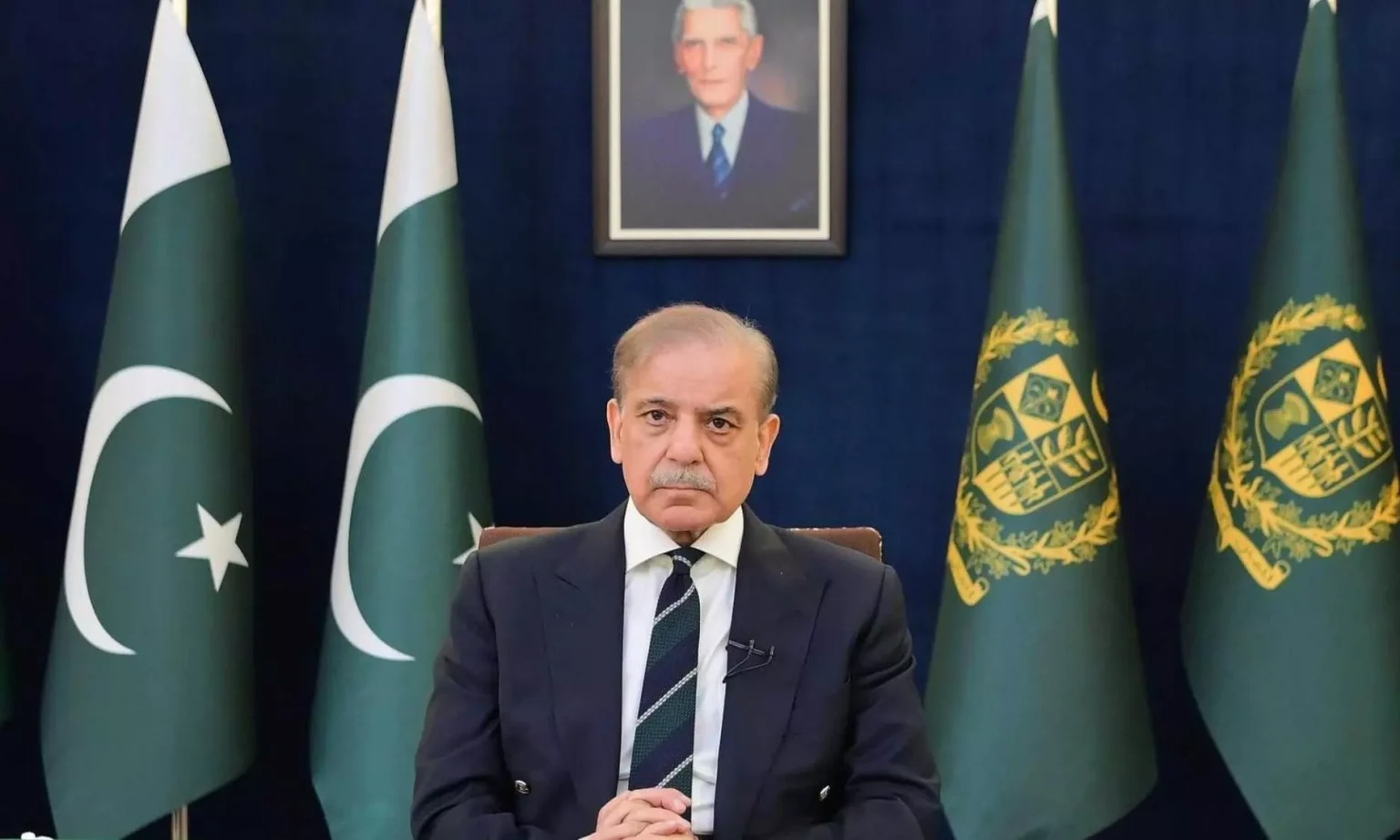
During his visit, Shaibani held substantive discussions with Pakistan's top political leadership, meeting Prime Minister Shehbaz Sharif and conducting detailed bilateral negotiations with key cabinet ministers. These engagements reflected the high-level attention both sides are according to the relationship revival. The Prime Minister's office issued a comprehensive statement emphasising Pakistan's unwavering support for Syria's national unity, sovereignty, and territorial integrity, explicitly reaffirming Pakistan's position on the contested Golan Heights—a sensitive geopolitical issue reflecting broader Middle Eastern tensions and Palestinian concerns.
Sharif highlighted the historical dimensions of Pakistan-Syria relations, framing the current diplomatic push as an opportunity to transform decades of friendship into concrete collaborative outcomes. The Prime Minister called for enhanced engagement spanning the political realm, military-to-defence cooperation, commercial partnerships, investment flows, educational programmes, and human resource development initiatives. This multifaceted approach reflects recognition that sustainable bilateral relations require engagement across diverse institutional channels rather than reliance on any single sector.
Transportation infrastructure emerged as a practical priority during the discussions. Both nations identified the resumption of direct flight services as instrumental for facilitating increased people-to-people contact and strengthening cultural linkages between their populations. Regular air connectivity would not only reduce travel friction but also signal confidence in bilateral ties to private sector actors considering cross-border business ventures. Such transport connections typically catalyse broader economic and social integration, making this initiative a potential gateway to deeper engagement.
Deputy Prime Minister and Foreign Minister Ishaq Dar participated in separate high-level talks where both sides examined pressing regional issues beyond their bilateral agenda. These conversations encompassed the Israeli-Palestinian conflict, the disputed Golan Heights, Afghanistan's evolving political landscape, broader South Asian dynamics, and contemporary developments across West Asia. This expansive dialogue framework reveals how Pakistan and Syria view their bilateral relationship within interconnected regional contexts, where stability and conflict resolution in adjacent theatres directly impact their respective strategic interests and influence.
Syria's government expressed particular appreciation for Pakistan's recent diplomatic initiatives, specifically welcoming Pakistan's participation in the Makkah Joint Defence Agreement and commending Islamabad's constructive contributions toward regional peace and stability. Syrian officials notably highlighted Pakistan's mediation efforts in the US-Iran context, suggesting recognition of Islamabad's capacity to navigate complex geopolitical tensions and its potential utility as a stabilising force in volatile regions. This acknowledgement potentially positions Pakistan as a valued diplomatic interlocutor in Syrian policymaking circles.
The commercial dimension of the revitalised relationship received substantial attention during separate discussions between Syrian Foreign Minister Shaibani and Pakistan's Commerce Minister Jam Kamal Khan. These conversations focused specifically on expanding bilateral trade volumes and investment flows, whilst examining Syria's significant infrastructure reconstruction and development requirements following years of internal conflict. Khan advocated for enhanced private sector engagement between the two nations' business communities, recognising that commercial actors often pioneer cross-border relationships and generate momentum for official cooperation.
Syrian officials responded to these commercial initiatives by proposing the establishment of a joint business council, a formal institutional mechanism designed to facilitate regular business dialogue, identify investment opportunities, and streamline commercial procedures between private sector representatives. Such councils typically serve as valuable intermediaries between governments and commerce, providing structured platforms for identifying mutual interests and resolving operational obstacles that might otherwise impede trade development. The proposal suggests Damascus is serious about building sustainable economic partnerships beyond ceremonial diplomatic gestures.
For Malaysian observers and Southeast Asian analysts, this Pakistan-Syria diplomatic initiative offers several instructive lessons about regional relationship management. The emphasis on transport connectivity, private sector engagement, and institutional mechanisms for sustained dialogue reflects best practices for establishing durable partnerships. Additionally, the explicit commitment to supporting national sovereignty and territorial integrity, combined with principled positions on contested territories, demonstrates how nations navigate complex geopolitical terrain whilst maintaining diplomatic relationships.
The timing of this relationship resurgence carries broader significance within contemporary Middle Eastern dynamics. Syria's gradual international rehabilitation following years of conflict-related isolation makes partnerships with influential Muslim-majority nations like Pakistan particularly valuable for Damascus. Pakistan, meanwhile, benefits from expanded engagement with strategically located Middle Eastern states, enhancing its diplomatic reach and potentially creating new avenues for regional influence. For Southeast Asia, these developments underscore how great power diplomacy extends across Asia, with Pakistan serving as a bridge between South Asian and Middle Eastern interests.
The success of this relationship revival will ultimately depend on sustained implementation of announced initiatives rather than mere diplomatic ceremony. Follow-through on direct flight resumption, joint business council establishment, and concrete defence cooperation will signal genuine commitment from both sides. Malaysian policymakers observing these developments might consider similar comprehensive engagement frameworks for their own strategic partnerships, recognising that successful bilateral relations require attention to multiple sectors and sustained institutional commitment.

