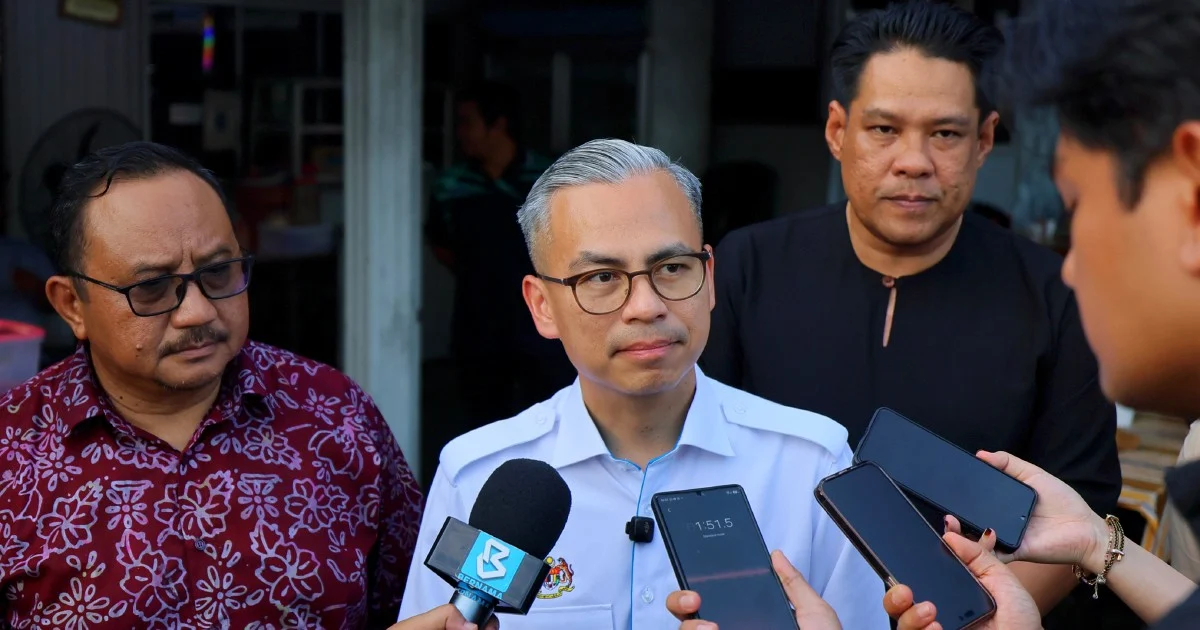
Pakatan Harapan has signalled its intent to deploy a comprehensive campaign framework for the forthcoming Johor state election, one that strategically harnesses both the reach of digital platforms and the personal connection established through on-the-ground mobilisation. The opposition coalition's approach reflects a broader shift in Malaysian electoral politics, where traditional canvassing methods increasingly coexist with sophisticated social media operations designed to capture younger, digitally engaged voters while maintaining grassroots support networks that remain vital in less urban constituencies.
The dual-track methodology represents a calculated response to the electoral landscape of contemporary Johor, a state where demographic diversity spans urban professional classes in cities like Johor Bahru to working families in smaller towns and rural communities. By integrating online outreach with conventional campaigning, Pakatan Harapan seeks to address the varied information consumption patterns and accessibility preferences across these distinct voter populations, ensuring that neither segment feels neglected in the pursuit of electoral support.
Fahmi's emphasis on this balanced strategy underscores the recognition within Pakatan Harapan that reliance on a single campaign channel would likely prove insufficient for competitive success. The rise of WhatsApp, TikTok, and Instagram as primary news sources for many Malaysians has forced political organisations to adapt their communication playbooks, yet the party leadership acknowledges that personal interactions and community-level engagement still carry considerable weight in swaying undecided voters and reinforcing loyalty among existing supporters.
The Johor election holds particular significance for Pakatan Harapan's broader political trajectory. The state has historically represented a mixed battleground, with Barisan Nasional maintaining traditional strongholds in certain districts whilst opposition parties have built competing bases of support. A strong performance in Johor could provide momentum for the coalition heading into the next federal electoral cycle, whilst a disappointing result might necessitate strategic recalibration across other states.
Digital campaigning offers Pakatan Harapan distinct advantages in terms of cost-efficiency and message precision. Online platforms enable the coalition to deploy targeted advertising, respond rapidly to emerging political narratives, and mobilise supporters through coordinated social media campaigns. For younger voters particularly, who may experience limited contact with door-to-door canvassers, digital presence becomes the primary interface through which political messaging penetrates their decision-making process.
Conversely, ground operations maintain their indispensability in Malaysian electoral contexts. Community gatherings, ceramahs, walkabouts through wet markets and residential neighbourhoods, and one-on-one conversations between candidates and constituents create tangible demonstrations of commitment and accessibility. These activities also generate word-of-mouth endorsements that propagate through family networks and informal social circles—channels that remain surprisingly potent in influencing final voting choices.
The integration of both strategies reflects lessons learned from previous elections across the region. Neighbouring Singapore's political campaigns increasingly combine digital outreach with traditional rallies, whilst Thai electoral contests have demonstrated that purely online operations struggle to penetrate communities with limited internet penetration or those who prioritise face-to-face political engagement. Pakatan Harapan's deliberate synthesis appears designed to extract maximum efficacy from each channel's particular strengths.
Resource allocation presents a practical challenge in implementing this dual approach. Campaign budgets must be carefully apportioned between maintaining digital advertising momentum and sustaining the logistical costs of ground operations—transportation, venue rentals, and staff deployment across constituencies. How effectively Pakatan Harapan manages these resource constraints could significantly influence whether the party achieves its campaign objectives or finds itself overextended across too many initiatives.
The Johor election also occurs within a context of evolving media consumption patterns among Malaysian voters. Traditional television and radio remain influential, particularly among older demographics, yet the fusion of online and ground operations signals an understanding that successful contemporary campaigns must function across multiple information ecosystems simultaneously. Voters increasingly expect political parties to maintain active, responsive digital presences whilst also demonstrating commitment through physical community presence.
Pakatan Harapan's strategy also carries implications for party discipline and message consistency. Coordinating messaging across decentralised ground networks whilst simultaneously managing social media narratives requires robust internal communication structures and clear strategic guidelines. Any disconnects between what digital platforms project and what frontline campaigners communicate could undermine the intended effect of the integrated approach.
Looking ahead, the effectiveness of Pakatan Harapan's dual-track strategy will likely offer instructive lessons for subsequent Malaysian electoral contests. If the approach generates strong voter engagement and translates into electoral gains, other political organisations will almost certainly adopt similar methodologies. Conversely, if shortcomings emerge in implementation or execution, Malaysian political operatives will identify specific areas requiring refinement for future campaigns.
The party's willingness to blend contemporary digital tools with time-tested community engagement reflects political realism rather than ideological commitment. Modern electoral success in Malaysia increasingly demands sophistication across multiple campaign dimensions, and Pakatan Harapan's explicit acknowledgement of this reality suggests the coalition recognises that no single approach can effectively reach the entire voting population in Johor's diverse electoral environment.

