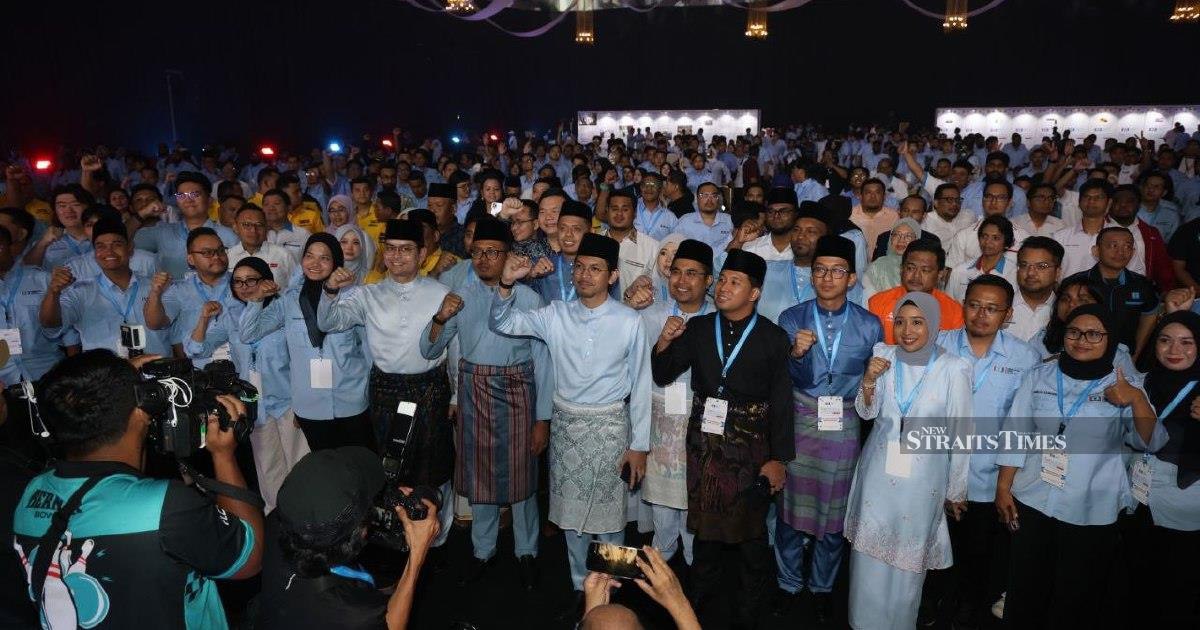
Pakatan Harapan needs to take accountability for its electoral losses rather than attributing blame to voters, according to PKR Youth chief Muhammad Kamil Abdul Munim, signalling a candid assessment within the coalition of what went wrong at the ballot box in recent state elections.
The remarks, made at Ayer Keroh, reflect mounting pressure within the opposition alliance to conduct serious introspection following disappointing results in Johor and Negri Sembilan. Rather than viewing public rejection as a failure of the electorate to understand PH's agenda, Kamil's commentary suggests the coalition must acknowledge that it has fundamentally lost the confidence of Malaysian voters and now faces the harder task of winning it back.
For Malaysian voters accustomed to attributing electoral outcomes to the whims of political machinery or demographic shifts, this framing carries particular weight. The PKR Youth chief is essentially arguing that PH cannot hide behind structural or external explanations but must confront the possibility that its own performance, messaging, or delivery has fallen short of public expectations. This diagnostic approach represents a departure from the defensive posture often adopted by losing coalitions in Malaysian politics.
The Johor and Negri Sembilan elections hold particular significance in the broader political landscape. These states represent crucial territory where PH had hoped to consolidate support following its 2018 electoral breakthrough but had struggled to maintain momentum through successive national and state contests. Losses in these battlegrounds suggest that the coalition's appeal, once considered capable of reshaping Malaysian politics, has contracted rather than broadened.
Historical context matters here. Pakatan Harapan's 2018 election victory was itself premised on winning back voter trust after more than a decade of Barisan Nasional rule, tapping into deep reservoirs of dissatisfaction with corruption, governance failures, and political staleness. The coalition succeeded then by positioning itself as an agent of substantive change. If voters are now rejecting PH, the implication is that the coalition has either failed to deliver on that implicit promise or has squandered the goodwill it earned through subsequent missteps, internal discord, or perceived compromises.
Kamil's statement also carries implications for how the coalition might recalibrate its political strategy. Rather than doubling down on the same messaging or blaming external factors, the PKR Youth chief appears to be advocating for genuine soul-searching about what PH must actually do to restore its standing. This could involve deeper engagement with voter concerns, clearer articulation of its vision for governance, or tangible demonstration that the coalition can deliver results even from opposition.
The generational dimension is equally noteworthy. As Youth chief, Kamil speaks for a segment of PKR and the broader PH coalition that has different expectations and communication styles compared to the party's senior leadership. His willingness to admit that the coalition has lost voter confidence, rather than defending PH's record or attacking critics, suggests that younger party members may be pushing for more direct accountability and transparency within the leadership structure.
For Southeast Asian observers watching Malaysia's political evolution, Kamil's remarks underscore a broader pattern in the region's democracies: that electoral support cannot be taken for granted even by coalitions that have recently tasted victory. Thailand, Indonesia, and the Philippines have all seen ruling alliances fracture or lose support as initial enthusiasm gives way to disappointment with governance outcomes or internal contradictions. Malaysia appears to be navigating similar terrain, where the novelty of a post-Barisan political order is wearing off and voters are assessing actual performance rather than the promise of change.
The challenge now facing Pakatan Harapan is substantial. Winning back trust requires not just rhetoric but demonstrable achievements, consistent messaging, unity within the coalition, and a credible alternative vision for national governance. The electorate that swept PH to power in 2018 has grown more discerning and less patient. Voters in Johor and Negri Sembilan have shown they are willing to punish the coalition for perceived failings, suggesting that PH cannot rely on anti-incumbent sentiment or nostalgia for the days before 2018 to restore its fortunes.
Kamil's honesty about the coalition's predicament may therefore represent the beginning of a necessary reckoning within PH leadership. If the coalition can translate such acknowledgement into concrete changes—whether in party discipline, policy priorities, or communication strategy—it may yet regain sufficient voter confidence to mount credible challenges in future elections. However, if the admission of failure remains merely rhetorical rather than catalysing substantive reform, voters will likely continue to vote with their feet.

