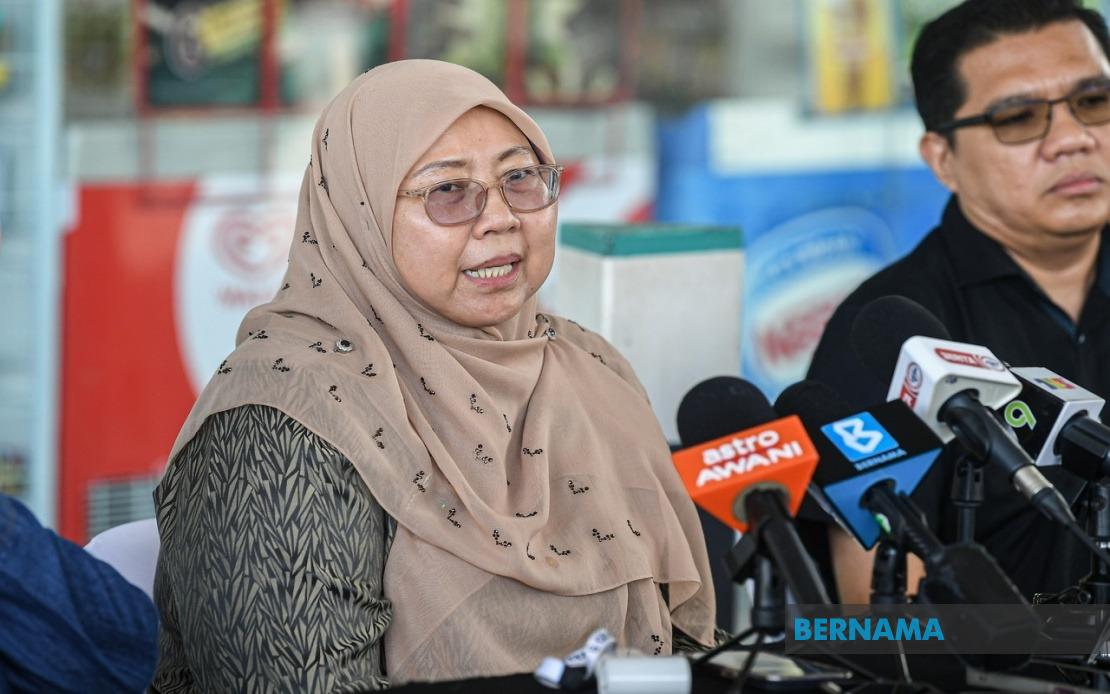
Pakatan Harapan is pressing ahead with its campaign across Johor's contested constituencies with undiminished momentum, according to the opposition coalition's leadership, which has downplayed a series of incidents involving the destruction of campaign materials. Speaking in Johor Bahru on July 2, PKR secretary-general Datuk Fuziah Salleh acknowledged that supporters of rival parties have engaged in isolated acts of sabotage, including the removal and vandalisation of posters, damage to billboards, and burning of party flags, yet stressed these episodes have not significantly impacted PH's broader electoral push.
The dismissal of these incidents comes as the coalition intensifies its presence ahead of the July 11 polling day. Fuziah, who doubles as Deputy Minister of Domestic Trade and Cost of Living, noted that her party's candidates are maintaining a relentless schedule, participating in up to ten community programmes daily from dawn until late evening. This sustained grassroots effort reflects PH's strategy to maximise voter contact and build personal connections with constituents across the state, a crucial element in closely contested elections where marginal gains can determine outcomes.
What distinguishes PH's current campaign approach is the deliberate separation between candidate-level pledges and party-wide policy platforms. Fuziah clarified remarks made by candidates standing in Skudai and Perlis state seats, who had earlier outlined commitments to their constituencies. She emphasised that these undertakings, which addressed local grievances such as waste collection challenges, represent individual candidate pledges rather than comprehensive state manifestos. This distinction matters considerably in Malaysian electoral politics, where voters often conflate local promises with broader governance programmes, potentially creating misunderstandings about a party's actual policy intentions should it assume power.
The clarification underscores an important reality in state-level campaigns: while candidates must appeal to parochial concerns and local issues to build support within their specific constituencies, a governing party requires coherent, interconnected policies that address state-wide priorities. PH's approach of keeping its official manifesto separate from individual candidate pledges allows flexibility at the grassroots level while maintaining policy coherence at the institutional level. The coalition's full manifesto is scheduled for release the day following Fuziah's statement, ensuring voters have clear sight of PH's intended governance framework before casting ballots.
Electoral violence and sabotage, whilst genuinely concerning phenomena, have become recurring features of Malaysian campaigns, particularly in tightly contested states. The relative indifference with which PH has treated these incidents reflects both confidence in its ground support and a pragmatic calculation that excessive amplification of such episodes could generate negative publicity. By maintaining a calm, professional posture and focusing discussion on campaign momentum and voter feedback, PH seeks to underscore its readiness for government whilst implying that rival parties must resort to intimidation tactics because they lack genuine policy appeal.
The feedback Fuziah reported from voters presents a picture of expanding support, particularly among younger demographics and first-time voters—constituencies strategically vital for PH's long-term electoral prospects. Youth engagement carries special significance in Johor, a state where demographic change and rapid urbanisation have altered the traditional political calculus. Should PH succeed in consolidating support among these cohorts, it positions itself favourably not merely for the current contest but for future electoral cycles across Malaysia, where an increasingly youthful population will decide outcomes.
The Johor state election itself assumes outsized importance within Malaysian politics, given the state's economic weight, demographic diversity, and traditional role as a political bellwether. With 172 candidates contesting across the state, the scale of the election underscores the ambitions of all competing parties. For PH, retaining or expanding its Johor footprint is essential to maintaining its claim as the natural party of government; any setback would reverberate through the coalition's broader political standing nationally.
Early voting is scheduled for July 7, providing an opportunity to gauge preliminary turnout patterns and voter sentiment. This staggered voting arrangement, whilst intended to accommodate voters with mobility constraints or work commitments, also creates tactical opportunities for campaigns to adjust messaging based on early indications. For PH, positive early voting numbers would validate Fuziah's assertions regarding campaign momentum and voter receptiveness, providing psychological momentum heading into the main polling day.
The broader context of Johor's election extends beyond state politics into federal dynamics. As the ruling coalition at national level, PH faces inherent advantages in resource allocation and government visibility, yet also heightened expectations among voters who judge its performance on both national economic management and state-level governance delivery. How voters in Johor assess PH's handling of national issues such as cost-of-living pressures, economic growth, and social cohesion will significantly influence their decisions in the state election, making Fuziah's dual role as both campaigner and federal minister symbolically important.
The incidents Fuziah referenced, whilst individually minor, collectively signal underlying political tensions within Johor society. That rival parties feel compelled to engage in destructive tactics suggests competitive intensity and possibly frustration among opposition forces facing strong PH momentum. However, such behaviour frequently backfires politically, alienating moderate voters who prefer contests decided through ideas rather than intimidation. PH's measured response allows it to claim the moral high ground whilst maintaining focus on its electoral message, a strategic positioning that could prove decisive in swaying persuadable voters.
As the campaign enters its final phase before July 11, the trajectory appears favourable for PH based on leadership assessments and reported voter sentiment. Whether these indicators translate into expanded representation for the coalition across Johor's constituencies will be determined by actual voting behaviour, yet Fuziah's confidence in campaign momentum reflects genuine organisational strength and growing public support. The state election will provide clearer indication of whether PH has successfully broadened its appeal in Johor or merely maintained existing support levels—a distinction carrying significant implications for Malaysia's evolving political landscape.

