Pakatan Harapan has made clear that should it secure victory in the Johor state election scheduled for July 11, the decisive matter of selecting the next Menteri Besar will remain the exclusive purview of the Sultan of Johor. The coalition's positioning reflects both constitutional deference and political pragmatism, as it seeks to maintain stability within Malaysia's federal framework while campaigning aggressively for control of the state assembly.
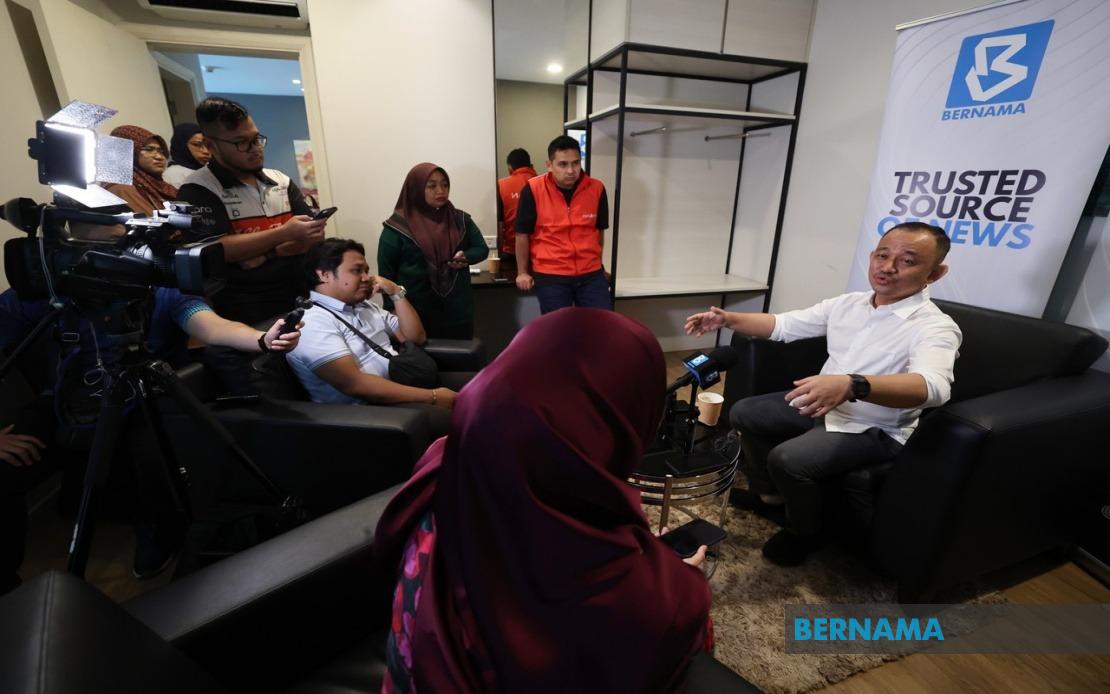
Dr Maszlee Malik, PH's candidate contesting the Puteri Wangsa seat, articulated this stance during an interview, emphasizing that the coalition has deliberately avoided internal discussions about the Menteri Besar portfolio. His remarks came amid swirling social media speculation that has positioned him and other senior figures as potential successors to the current administration. By deflecting such conjecture, PH appears intent on preventing leadership ambitions from becoming a distraction during the campaign phase.
The constitutional framework governing Malaysia's constitutional monarchies vests significant authority in the state rulers, and the Johor palace's prerogatives are particularly pronounced given the state's historical prominence and the Sultan's influence over political arrangements. PH's explicit acknowledgment of this reality demonstrates an understanding of institutional boundaries that, while potentially frustrating for observers eager for clarity on succession planning, respects the delicate balance between elected governments and hereditary institutions that characterises Malaysian governance.
Maszlee's positioning of the party as a unified team rather than a collection of individual aspirants reflects a broader strategic calculation. The framing invokes the notion of collective responsibility and competence, suggesting that PH's strength lies in the quality and coherence of its 56-candidate slate rather than in any single personality. This approach seeks to pre-empt perceptions of internal jockeying that might undermine campaign momentum or alienate voters who prioritize governance capability over factional loyalty.
The timing of these clarifications matters considerably. With early voting scheduled for July 7 and the main polling day on July 11, PH evidently wants to maintain focus on its platform and vision for the state rather than allowing leadership succession narratives to dominate coverage. In competitive elections where voter sentiment can shift rapidly, the coalition's insistence on team unity serves both to project confidence and to minimize openings for rival factions to sow doubt about internal divisions.
Malaysia's political landscape has long featured pronounced personality-driven competition, particularly at the state level where individual leaders can significantly shape electoral dynamics and governance outcomes. PH's current emphasis on collective strength represents an attempt to transcend this traditional pattern, though the reality of political practice suggests that once electoral victory is secured, questions about Menteri Besar selection will inevitably resurface with considerable urgency. The party's current reticence may thus represent a temporary strategic posture rather than a fundamental shift in how leadership succession will actually unfold.
For Malaysian voters and observers tracking the Johor contest, these statements also signal something broader about how PH intends to exercise power should it assume control of the state administration. By deferring to constitutional proprieties and emphasizing collaborative governance, the coalition positions itself as respectful of institutional norms—a valuable positioning given previous political instability and voter fatigue with perceived power struggles. Whether this institutional deference translates into actual governance practices will likely influence voter perceptions heading into the July 11 polling day.
The Sultan of Johor's role extends beyond ceremonial functions; the state ruler retains genuine influence over key government appointments and possesses constitutionally-enshrined powers that make his cooperation essential for any administration. PH's explicit recognition of these realities reflects prudent political management, particularly given that the Palace's preferences have historically shaped outcomes in state politics. By publicly ceding this decision to the Sultan, PH simultaneously demonstrates respect for established protocols and protects itself against accusations of attempting to circumvent constitutional procedures.
Regional observers also note that Johor's political outcome carries implications extending well beyond the state's borders. As Malaysia's southernmost mainland state and home to significant economic activity, Johor's governance trajectory influences broader national political alignments and economic investor confidence. PH's emphasis on stable, orderly transitions of power rather than contested appointments aligns with concerns among business communities and international observers about predictability and institutional strength in Malaysian politics.
Looking ahead, the coalition's current messaging establishes a baseline that will be difficult to reverse should electoral victory prompt different calculations about leadership selection. Should PH win a convincing majority, the party will face immediate pressure to translate its team-based rhetoric into concrete arrangements, with the Sultan's ultimate decision-making authority providing both opportunity and constraint. The interplay between PH's preferences, internal party dynamics, and the Palace's own calculations will ultimately determine outcomes, but the coalition has at least publicly committed itself to respecting constitutional processes in a way that distinguishes its approach from more aggressive power-consolidation strategies sometimes witnessed in Malaysian politics.

