Pakatan Harapan is preparing to contest the 16th Johor State Election through a dual-track strategy that harnesses both traditional community organising and modern social media channels, officials announced as formal campaigning prepared to commence. The coalition's integrated approach reflects a recognition that winning votes in contemporary Malaysian politics requires simultaneous presence in neighbourhoods and on digital networks, where voters increasingly discover political information and form opinions about candidates.
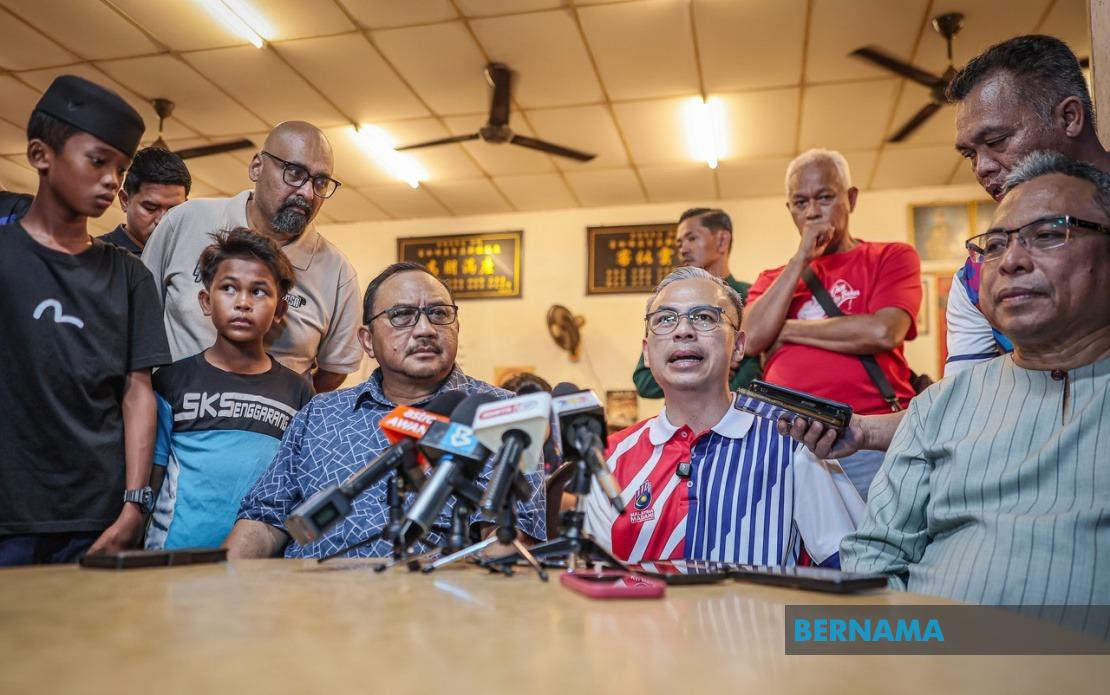
Datak Fahmi Fadzil, communications director for PH and Minister of Communications, outlined the framework during remarks in Batu Pahat ahead of the nomination deadline. He stressed that combining grassroots engagement with internet-based communication ensures PH's message penetrates across diverse voter segments, from elderly residents relying on traditional media to younger demographics active on WhatsApp, Facebook, and TikTok. This multi-channel approach acknowledges the fragmented information landscape where no single medium dominates public discourse.
PKR, the largest component party within PH for this contest, is fielding 20 candidates across Johor's constituencies. The party plans immediate mobilisation once nomination day concludes, with senior figures personally leading campaign activities in key battlegrounds. Fahmi himself committed to visiting Semerah, while PKR deputy president Nurul Izzah Anwar scheduled appearances with the Senggarang candidate Onn Abu Bakar at nomination centres. These high-profile deployments signal PH's determination to compete seriously in a state where the coalition faces entrenched competition from both ruling and opposition parties.
A dedicated media operations centre has been established to rapidly disseminate information about PH candidates and policy positions throughout the campaign period. This infrastructure reflects lessons learned from previous elections where slower information distribution allowed rival narratives to dominate early campaign phases. By maintaining a coordinated communications hub, PH seeks to control the pace and framing of debate, ensuring voters encounter party-approved messaging before alternative interpretations gain traction.
Fahmi emphasised that PH's campaign will prioritise factual, evidence-based communication rather than emotional appeals or unverified claims. This positioning aims to differentiate the coalition in an environment where misinformation and sensationalism increasingly pollute electoral discourse. The pledge to accuracy also connects to broader governance narratives PH intends to advance—the notion that the coalition manages public institutions responsibly, makes policy decisions based on data, and communicates transparently with citizens. For Malaysian voters increasingly skeptical of political rhetoric, such commitments carry weight.
Federal-state cooperation features prominently in PH's campaign messaging for Johor. Fahmi highlighted infrastructure projects including the Rapid Transit System Link and the Johor-Singapore Special Economic Zone as tangible evidence that PH governance delivers economic benefits and reduces inter-district development disparities. These projects represent substantial investments visible to voters through daily experience—new transport corridors, commercial zones, and associated job creation. By anchoring campaign narratives to such concrete achievements, PH attempts to ground its appeal in material improvements rather than abstract ideological arguments.
The coalition points to governance records in states already under PH administration as proof of electoral promises converted to reality. Selangor, Negeri Sembilan, and Penang demonstrate, according to Fahmi, that PH does not merely articulate ambitious agendas but translates them into functioning programmes and visible development. This track record becomes particularly relevant for swing voters in Johor who may harbour doubts about PH's capacity to govern effectively at the state level. By invoking demonstrated competence elsewhere, PH addresses credibility gaps and offers reassurance to undecided voters considering the coalition for the first time.
Candidate quality constitutes another strategic pillar. PH has fielded experienced figures including Dr Maszlee Malik in Puteri Wangsa and Onn Abu Bakar in Senggarang, both of whom bring public profiles and prior governmental exposure. Such selections reflect calculations that constituencies in Johor respond to candidates with demonstrated expertise and existing platforms. The coalition invests in positioning these individuals as architects of change capable of delivering results, rather than presenting them merely as party loyalists executing central directives.
A manifesto tailored specifically to Johor state concerns will be unveiled during the campaign, Fahmi confirmed. Rather than imposing a generic national platform, PH intends to address Johor-specific issues and priorities identified through consultation with local communities. This localisation strategy recognises that voters evaluate political parties partly through the lens of state-level concerns—healthcare access in rural districts, education quality, business environment for small enterprises, and infrastructure distribution across regions. A manifesto that demonstrates familiarity with such local preoccupations enhances PH's credibility and signals respect for Johor's particular circumstances.
Misinformation threats receive serious institutional attention, with the Malaysian Communications and Multimedia Commission establishing a task force alongside the Election Commission, Royal Malaysia Police, and Malaysian Media Council to monitor false claims during the election period. This multi-agency coordination acknowledges that electoral integrity increasingly depends on controlling the information ecosystem, not merely managing candidate conduct and vote-counting procedures. By pre-positioning authorities to identify and counter false narratives in real-time, the mechanism aims to prevent disinformation from hardening into accepted fact among voters before corrections become possible.
Beyond formal campaign activities, PH has invested in community-level engagement, exemplified by Fahmi's participation in cultural programming in Senggarang including a traditional wayang pacak film screening. Such ground-level presence cultivates familiarity and humanises political leaders beyond their formal roles, allowing voters to perceive PH figures as accessible community members rather than distant technocrats. These interactions, often overlooked in analyses focusing solely on policy announcements, shape voter perceptions through accumulated personal exposure and demonstrated interest in community life.
The campaign strategy reflects broader transformations in Malaysian electoral politics where digital infrastructure coexists with enduring community networks, where technical expertise matters alongside personal relationships, and where governance track records increasingly determine voter calculations. PH's integrated approach attempts to excel across all these dimensions simultaneously—delivering messages through every available channel while maintaining focus on substantive achievements and local relevance.

