Pakatan Harapan enters the Johor state election with heightened vigilance over an unpredictable electoral dynamic: the behaviour of Perikatan Nasional voters in constituencies where PN has chosen not to contest. This strategic vacuum across 23 seats presents both opportunity and hazard for the ruling coalition, which must now grapple with the uncertainty of where PN-aligned voters will direct their ballots when their preferred option is off the ballot.
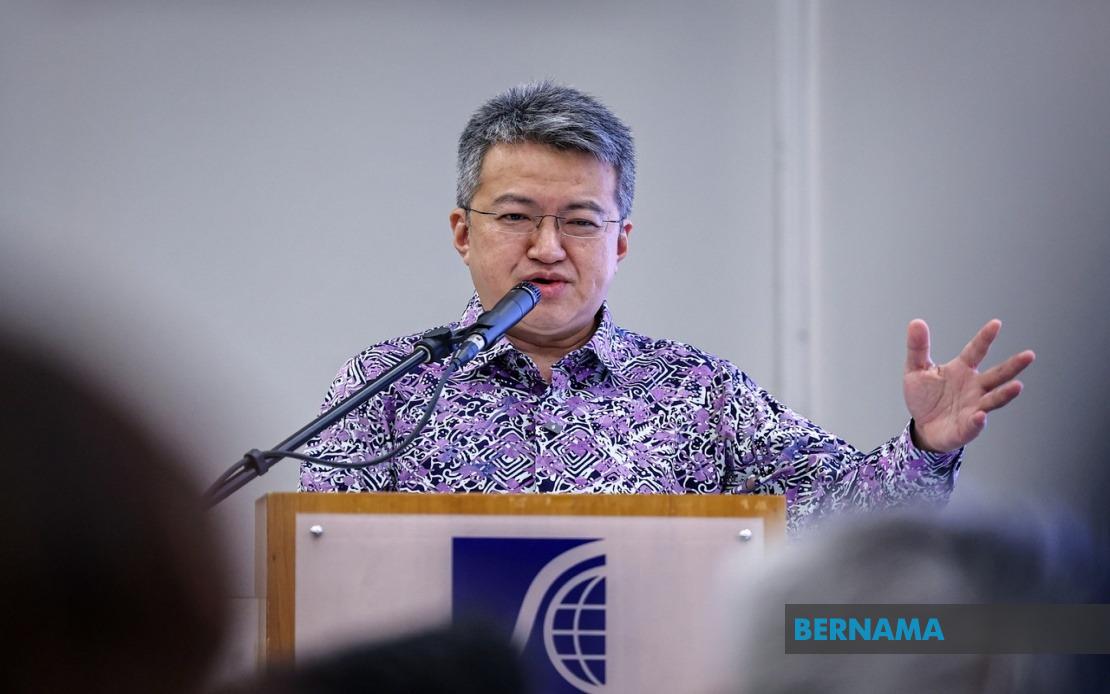
DAP Strategic Director and Deputy Finance Minister Liew Chin Tong articulated the coalition's apprehension directly, underscoring that vote migration from PN camps could fundamentally reshape outcomes in tight races. The concern is particularly acute for DAP candidates, who stand to gain from consolidated opposition support but equally risk losing ground if PN voters strategically back other parties or simply stay home. In Malaysian electoral tradition, such voter behaviour has repeatedly proven decisive in marginal constituencies, where winning margins often measure in the hundreds.
Liew's candour about the unpredictability mirrors a broader recognition within PH that the Johor campaign landscape has shifted considerably since the 2022 state election. Then, the political calculus was simpler—PH faced a two-way or three-way contest with clearer voter alignments. Now, with PN's partial withdrawal from the contest, the equation has become messier. The coalition cannot simply assume that opposition votes will consolidate behind PH in seats where PN supporters previously held sway, particularly if those voters harbour lingering reservations about the ruling coalition's performance or policies.
PH's response strategy, according to Liew, hinges on diligent campaigning, voter engagement, and a consistent presentation of fresh policy ideas capable of earning public confidence. This appeals to a broader electorate than merely consolidating existing support, suggesting the coalition recognises it must actively persuade rather than merely inherit opposition votes. The emphasis on vigilance—monitoring which way PN voters drift—indicates campaign teams will be studying polling day results and voting pattern data assiduously, learning lessons that could apply to future contests nationally.
Beyond the tactical uncertainty, Liew's broader strategy for PH involves fielding younger, credible candidates across constituencies, a deliberate generational shift that signals the coalition's intent to build electoral strength beyond the current cycle. This long-term thinking, however, sits in tension with the immediate pressure of the July 11 polls, where every seat carries weight in determining whether PH can consolidate control of Johor's state assembly and deliver a tangible political victory.
Liew's own decision to step aside from defending the Perling state seat carries symbolic weight beyond his personal political trajectory. He cited DAP's internal principle against allowing elected representatives to simultaneously hold parliamentary and state assembly positions, a constraint that forces senior party figures to choose where they concentrate their efforts. By ceding Perling—a seat he won in 2022 and where he held substantial personal standing—Liew has handed the candidacy to former Senai assemblyman Alan Tee Boon Tsong. This transition tests whether personal political capital translates smoothly to a successor, or whether voters regard Perling primarily as Liew's seat.
The Perling constituency itself exemplifies the complexity facing PH across multiple battlegrounds. With 109,992 registered voters, the seat will host a three-cornered contest pitting Tee against Barisan Nasional's P. Pannir Selvam and Boo Wei Han of Parti Bersama Malaysia. The presence of Bersama, a smaller player, adds unpredictability to vote distribution, potentially fragmenting the opposition vote or pulling supporters away from mainstream coalitions. Such configurations across multiple constituencies could genuinely alter the Johor election result.
The timing of the Johor contest deserves consideration within Malaysia's broader political calendar. Coming as it does during a period of national governance under PH, the state election serves partly as a referendum on the coalition's track record at both state and federal levels. Johor voters will be evaluating not merely state-level issues but their broader confidence in PH's stewardship of national affairs, economic conditions, and policy delivery. PN's partial withdrawal from the contest may itself signal strategic calculations about where the opposition bloc can most effectively challenge PH, concentrating resources elsewhere rather than spreading them thinly across Johor's 56 state assembly constituencies.
For Malaysian political observers, the Johor election underscores how the country's post-2022 political realignment continues to reshape electoral calculations. The three-coalition structure—PH, PN, and BN, with Bersama and other minor players in the mix—creates complex scenarios where vote splitting and strategic voter behaviour become paramount. What happens in the 23 seats where PN does not contest will be studied closely by political analysts and strategists nationwide, potentially influencing how future multi-party contests are configured and contested.
The polling dates themselves—early voting on July 7 and election day on July 11—offer a compressed campaign window. This timeline means PH must rapidly communicate its platform to undecided voters, particularly those from PN backgrounds who must actively decide where to direct their ballots. Campaign intensity will likely be high, with parties competing aggressively for every persuadable voter, particularly in constituencies where margins historically have been narrow.
Ultimately, Liew's cautionary stance reflects political realism. Elections remain fundamentally unpredictable, and even sophisticated campaign analysis cannot perfectly forecast voter behaviour, especially in scenarios where the normal competitive structure has been altered by one major player's withdrawal. PH's task is simultaneously straightforward—win as many seats as possible—and genuinely complicated by the fact that the normal rules of opposition consolidation no longer fully apply in 23 constituencies. The outcome on July 11 will reveal whether the coalition's vigilance and youthful candidate slate prove sufficient to overcome the uncertainties posed by PN's partial exit from the Johor electoral arena.

