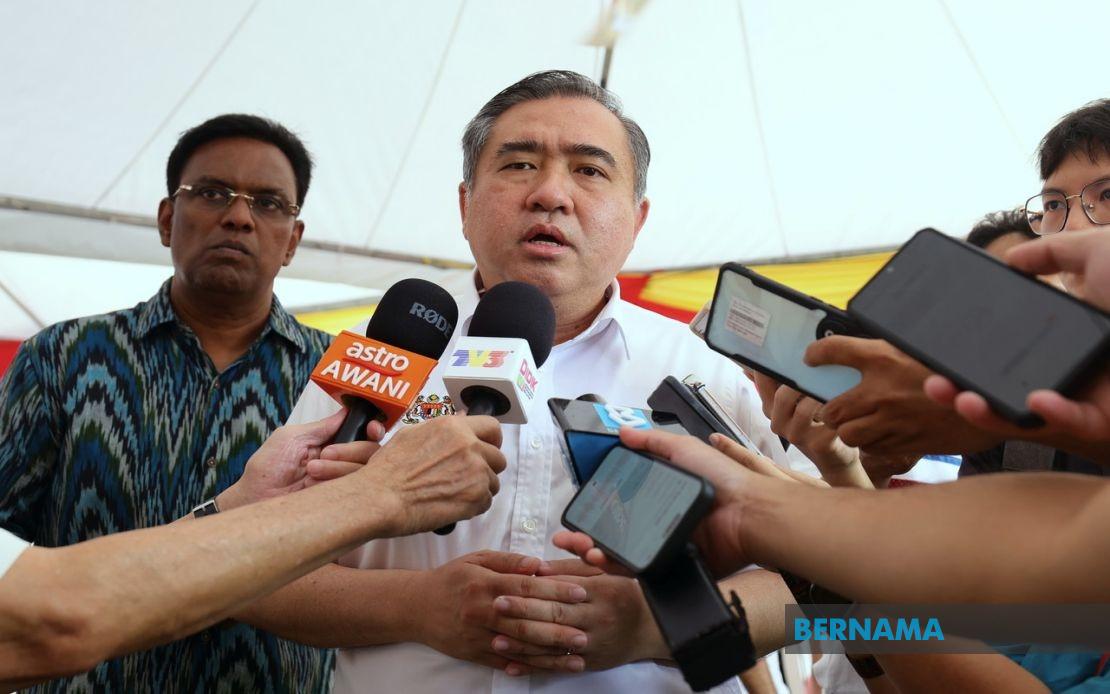
Pakatan Harapan has signalled its readiness to counter any political manoeuvres by rival coalitions, including a potential alliance between Barisan Nasional and Perikatan Nasional, as the Negeri Sembilan state election draws closer. Speaking in Seremban on July 16, DAP secretary-general Anthony Loke indicated that the coalition would not allow tactical opposition moves to destabilize its campaign, instead maintaining focus on consolidating its own organizational machinery and voter outreach efforts.
Loke's remarks came in response to reports of seat-sharing negotiations and coordination between BN and PAS, which would represent a significant realignment in Negeri Sembilan's political landscape if formalized. The DAP leader pointed to recent state elections, particularly Johor's contest, as evidence that PH possessed the experience and resilience to navigate complex multi-way contests without losing composure or strategic clarity. His comments suggest that senior coalition figures have already anticipated such developments and incorporated contingency planning into their election strategy.
The priority for PH at this juncture, according to Loke, centres on reinforcing the bonds between its three component parties—DAP, PKR, and Amanah—to maximize efficiency in contesting seats and prevent vote-splitting that could benefit opponents. This emphasis on internal unity underscores recognition within PH circles that maintaining a cohesive messaging platform and avoiding public disagreements will be crucial in a fragmented electoral environment. The coalition's track record of holding Negeri Sembilan since 2018 provides a foundation, but faces vulnerability if opposition parties successfully coordinate their campaigns.
Loke dismissed concerns that opposition parties, particularly the MCA within the BN coalition, might attract Chinese voters away from DAP by leveraging communal grievances or alternative policy platforms. He characterized voter preference as ultimately a decision for the electorate to render, noting that pre-election claims of support hold little weight until actual polling results emerge. This measured response reflects PH's confidence in its ground organization among Chinese-majority constituencies, though it implicitly acknowledges that this demographic represents a genuine battleground in the contest.
The performance record of Negeri Sembilan's government under Menteri Besar Datuk Seri Aminuddin Harun since 2018 will serve as PH's primary asset in seeking continued public endorsement, Loke indicated. The stability and development achievements attributed to the incumbent administration, assuming they resonate with voters, could provide a bulwark against opposition claims of mismanagement or neglect. This reliance on incumbent performance metrics is standard for ruling coalitions, though it also means that any perception of administrative failure or unfulfilled promises could significantly damage PH's electoral prospects.
Loke also addressed the political turbulence in Melaka, where the DAP component of the state government withdrew from the administration in protest against the appointment of nominated assembly members by the BN-led state government. He characterized the decision as final and irreversible, indicating that DAP had carefully weighed the political costs and benefits of withdrawing from the coalition arrangement. The reorganization of seating in the Melaka State Legislative Assembly following the DAP departure underscores the structural tensions that can emerge within coalition arrangements when component parties feel their interests are not adequately protected.
The Melaka situation carries potential implications for Negeri Sembilan, particularly regarding how nominated seats are allocated and whether component parties feel they maintain sufficient influence over crucial governance decisions. If similar disputes were to emerge in Negeri Sembilan, they could undermine PH's united front during an election campaign. Loke's firmness in closing the Melaka discussion suggests he wishes to prevent speculation about potential rifts within PH more broadly, though observers will likely monitor whether similar tensions surface in other coalition-controlled states.
Loke also used his appearance to defend the MADANI Adopted Village initiative, refuting opposition claims that the programme was merely a seasonal campaign tactic synchronized with electoral schedules. He asserted that the initiative had been implemented continuously across all ministries since 2025 as part of the government's broader commitment to rural development and infrastructure enhancement. Kampung Baru Mantin and Kampung Mantin Dalam in the Seremban area were selected as beneficiaries under the various MADANI programmes, alongside the selection of Sekolah Jenis Kebangsaan Cina Chung Hua Mantin as a MADANI Adopted School.
The distinction between routine development programming and electoral campaign activity represents a persistent source of political contention in Malaysian elections, with opposition parties frequently alleging that ruling coalitions time infrastructure announcements and benefit disbursements to maximize electoral advantage. Loke's defence of the MADANI initiative as continuous and ministry-wide reflects the ruling coalition's effort to establish that rural development efforts represent a sustained commitment rather than opportunistic electioneering. However, the timing of these programme implementations, coming as they do during an election campaign period, will inevitably invite scrutiny regarding intent and prioritization.
The Negeri Sembilan election will provide an important barometer of voter sentiment regarding both PH's national governance record and the coalition's ability to manage internal relationships effectively. A defeat could embolden opposition parties and potentially loosen PH's grip on several other state governments where margins are narrow. Conversely, a strong performance would validate PH's campaign strategy and suggest that the coalition's emphasis on development achievements and institutional stability resonates with voters despite facing a more coordinated opposition alliance.
For the broader Southeast Asian region, the Negeri Sembilan contest represents another chapter in Malaysia's evolving multi-party political dynamics, where traditional alignments continue to shift and regional coalitions must constantly adapt to maintain electoral viability. The willingness of formerly antagonistic parties like BN and PN to explore cooperation demonstrates how Malaysian politics has become increasingly fluid and transactional, with ideological consistency often taking a backseat to immediate electoral advantage. How effectively PH manages this more fragmented landscape will influence not only state-level outcomes but also the trajectory of national politics heading toward the next general election.

