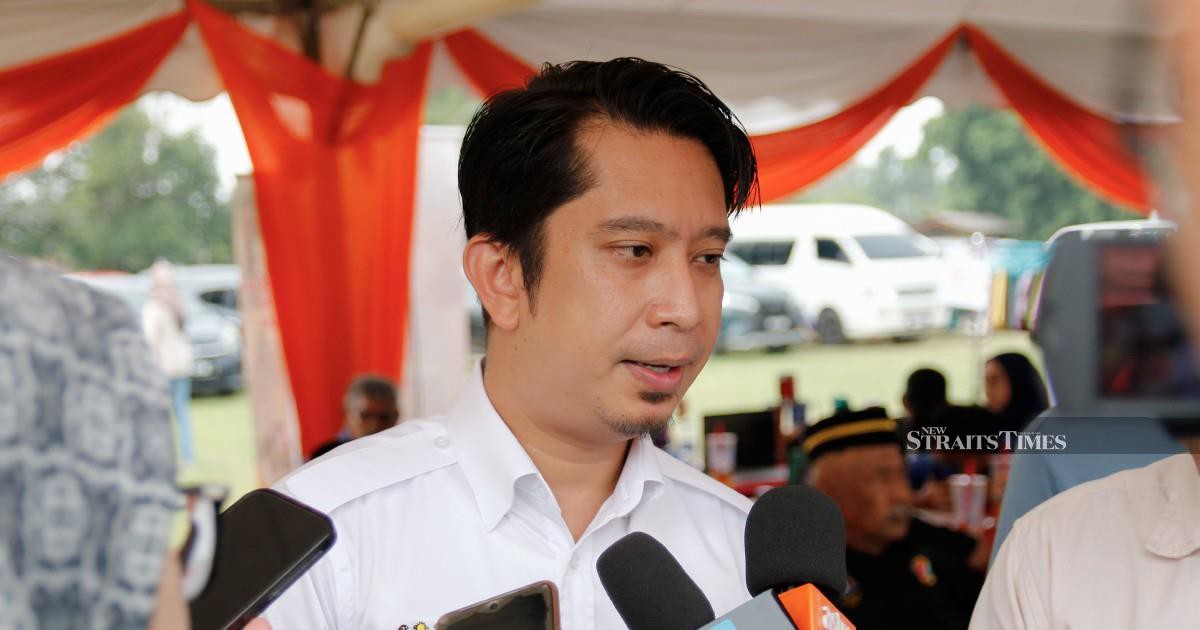
Political coordination between Malaysia's two major coalitions remains unclear as Pakatan Harapan and Barisan Nasional have not launched formal negotiations aimed at aligning their strategies for the forthcoming Melaka state election, according to state PKR chief Adam Adli Abdul Halim. The absence of structured talks underscores ongoing uncertainties about how the coalitions will position themselves when voters head to the polls in the southern state, a region that has become a testing ground for different political alliances in recent election cycles.
The lack of preliminary discussions between the two blocs suggests that decision-makers have yet to settle on foundational questions about whether cooperation is even desirable. Such negotiations typically involve identifying shared interests, determining seat allocations across participating parties, and establishing campaign frameworks. The complexity of assembling a workable coalition requires substantial groundwork, and the absence of formal contact indicates that either side may still be exploring alternative approaches or assessing the political terrain independently.
Melaka has witnessed considerable electoral volatility over the past decade, shifting between different ruling coalitions and experiencing transitions that reflected broader national political trends. The state's voting patterns have often foreshadowed outcomes at the federal level, making its elections significant bellwethers for assessing voter sentiment across the nation. Any alliance arrangements struck before campaigning begins could provide early indicators of how Malaysian voters are responding to the current political landscape and shifting coalition dynamics.
Pakatan Harapan, the governing coalition at the federal level, and Barisan Nasional, which held power for over six decades before its 2018 electoral defeat, have engaged in limited cooperation at the state level in recent elections. Such alliances remain controversial within their respective member parties, with grassroots members sometimes questioning the wisdom of aligning with historical opponents. The political calculation differs from state to state, depending on local demographic composition, party strength, and regional leadership preferences.
The timing of beginning formal negotiations matters substantially. Early discussions allow parties to resolve contentious issues around seat division and campaign messaging before public announcement, reducing the risk of internal discord during the campaign itself. Delays in initiating talks can compress the timeframe available for resolving disagreements, potentially pushing negotiations into the intensive period immediately before voting occurs. This can destabilise coalitions if key issues remain unresolved when campaigning is already underway.
Within PKR specifically, Adam Adli's statement signals that the party is not currently engaged in behind-closed-doors arrangements with Barisan Nasional. As state chief, he would be among the first to know if preliminary discussions were occurring, suggesting that either Kuala Lumpur-level coordination has not yet directed state leaders to commence talks, or the party leadership has deliberately chosen to maintain independence while monitoring political developments. Such a position allows flexibility but also carries the risk of appearing unprepared if voting dates are announced suddenly.
Barisan Nasional's position remains equally opaque. The coalition, now in opposition federally but retaining control in several states including Melaka's neighbouring Johor, must weigh the political costs of coordinating with Pakatan Harapan against the potential electoral benefits of dividing opposition votes. Party strategists will be calculating whether alignment genuinely improves their prospects or whether contesting independently might actually yield better outcomes given voter preferences in specific constituencies.
The broader context includes rising complexities within both coalitions themselves. Pakatan Harapan comprises parties with differing ideological foundations, and internal tensions periodically surface over policy and strategy. Barisan Nasional, meanwhile, continues adjusting to its opposition status while managing internal party dynamics, particularly given recent developments that have reshaped factional alignments. These internal pressures make external negotiations with rival coalitions more complicated, as party leaders must ensure that any arrangement maintains internal unity.
For Malaysian voters and observers, the absence of formal negotiations at this stage means the Melaka election framework remains fundamentally unsettled. Voters cannot yet assess which candidates they might support under which alliance banners, and campaign messaging has not been established. This lack of clarity typically dissipates as election dates approach and political actors are forced to declare their positions. The coming weeks will likely reveal whether productive negotiations eventually commence or whether one or both coalitions ultimately decide to contest the election independently.
The implications extend beyond Melaka itself. How the two coalitions navigate this particular election will offer lessons for future contests, signalling to other state and national actors the viability and political acceptability of various alliance combinations. If negotiations begin and result in a cooperative arrangement, it would demonstrate that pragmatic alliances remain possible despite historical enmity. Conversely, if both coalitions ultimately contest separately, it would suggest that rebuilding trust sufficiently to work together remains prohibitively difficult at present.

