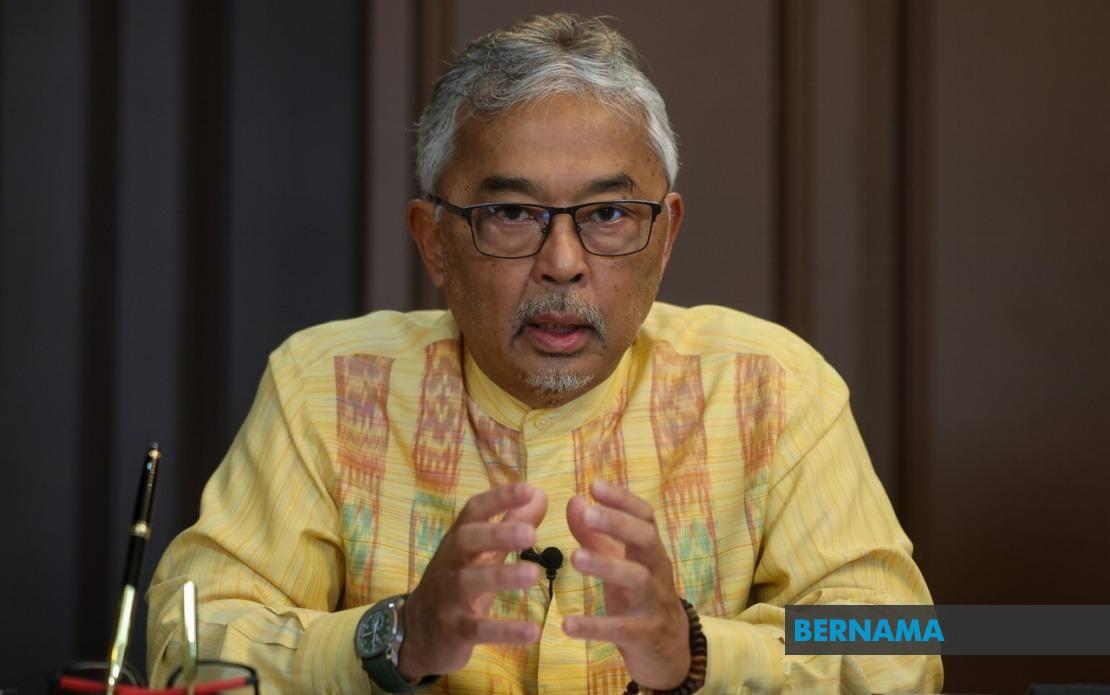
Concerned about mounting public safety hazards from falling trees, the Sultan of Pahang, Al-Sultan Abdullah Ri'ayatuddin Al-Mustafa Billah Shah, has issued a directive requiring every local authority throughout the state to systematically assess the structural integrity of large and mature trees. The royal instruction comes on the heels of several tragic incidents in which uprooted or collapsing trees have claimed lives and caused injuries, prompting intervention from the highest levels of state government.
The Sultan's directive encompasses a broad mandate for local authorities to evaluate tree conditions across multiple environments where public exposure is significant. Priority areas include streetside vegetation, pathways and corridors within residential neighbourhoods, commercial zones, and recreational spaces frequented by families and workers. The scope reflects an understanding that tree failures can occur unpredictably across urban and semi-urban landscapes, requiring vigilant oversight rather than reactive responses to crises.
The Pahang Ruler emphasised that inspections must occur on a continuous basis rather than as one-time exercises. This recurring assessment protocol aims to capture seasonal changes in tree health, monitor the progression of diseases or structural weakening, and identify environmental factors that might compromise stability. By institutionalising regular reviews, local authorities can build longitudinal records of tree conditions and track interventions over time, creating a more resilient public infrastructure.
Critically, the Sultan stressed that discovery of potentially dangerous trees must trigger immediate remedial measures. Rather than allowing identified hazards to persist pending bureaucratic approvals or budgetary allocations, authorities must move swiftly toward removal, pruning, bracing, or other stabilisation techniques. This directive essentially inverts the typical municipal approach, which often defers tree maintenance until accidents occur, shifting instead toward preventive action as the standard operational posture.
The royal statement conveys an unmistakable message: local authorities must not adopt a passive waiting stance for disaster to justify intervention. The phrasing "do not wait until an untoward incident occurs" represents a deliberate policy reorientation toward proactive governance. This language carries particular weight in Malaysian administrative culture, where directives from sultans carry both symbolic and practical significance in driving institutional compliance across state-level governance structures.
For Malaysian readers, the Pahang Sultan's order reflects growing recognition among state leaders that climate change and urbanisation patterns are intensifying tree-related hazards. Increasing rainfall intensity, soil erosion from development, and the maturation of trees planted decades ago in suboptimal conditions all contribute to higher failure rates. The directive acknowledges these emerging realities and positions Pahang as moving toward risk-aware urban management.
The economic and human cost of tree failures extends beyond immediate casualties. Fallen trees damage vehicles, disrupt utilities, block emergency access routes, and impose significant cleanup and reconstruction costs on already-stretched municipal budgets. By preventing incidents rather than managing aftermath, local authorities can reduce long-term expenditures whilst simultaneously protecting their residents and demonstrating effective stewardship.
This intervention also highlights the administrative apparatus through which Malaysian sultans influence state policy. Rather than legislative action or formal regulatory changes, the Sultan's statement on the Pahang Sultanate Facebook page carries sufficient weight to mobilise bureaucratic machinery. The use of social media as a governance channel reflects how traditional institutions are adapting communication methods whilst maintaining hierarchical authority structures.
For other Malaysian states without similar royal directives, the Pahang precedent may serve as a template for addressing comparable public safety vulnerabilities. State governments nationwide face similar tree-management challenges, and the Sultan's framing of tree assessment as a moral obligation rather than an optional refinement could influence policy adoption across the region. The institutional lesson—that proactive inspection and maintenance prevents tragedies—applies universally across Malaysian municipalities.
Implementing the Sultan's directive will require local authorities to allocate resources toward arboricultural expertise, inspection protocols, and removal or treatment budgets. For councils already contending with tight financial constraints, this represents an additional operational burden. However, the reputational and safety costs of failing to comply with a direct royal instruction far outweigh budgetary considerations within Malaysian governance frameworks.
The underlying principle resonates with international urban forestry best practices, which consistently emphasise regular assessment cycles and hazard abatement. By aligning Pahang's approach with globally-recognised standards, the Sultan positions the state as implementing evidence-based risk management rather than merely responding to local political pressure. This framing strengthens the legitimacy and durability of the directive.
Moving forward, monitoring compliance with the Sultan's instructions will determine whether the directive translates into sustained improvements in tree safety infrastructure. Local authorities must establish transparent reporting mechanisms, publicly document inspection findings, and demonstrate that identified hazards receive timely attention. Such accountability measures would reinforce the seriousness of the directive and create public confidence in municipal competence.
Ultimately, the Sultan's intervention represents a recognition that public safety requires constant vigilance and resource commitment. The directive implicitly rejects complacency and normalises a culture of prevention over crisis management. For Pahang residents, this represents a meaningful shift in how state institutions approach environmental hazards, potentially setting expectations that extend beyond trees to other municipal safety responsibilities.

