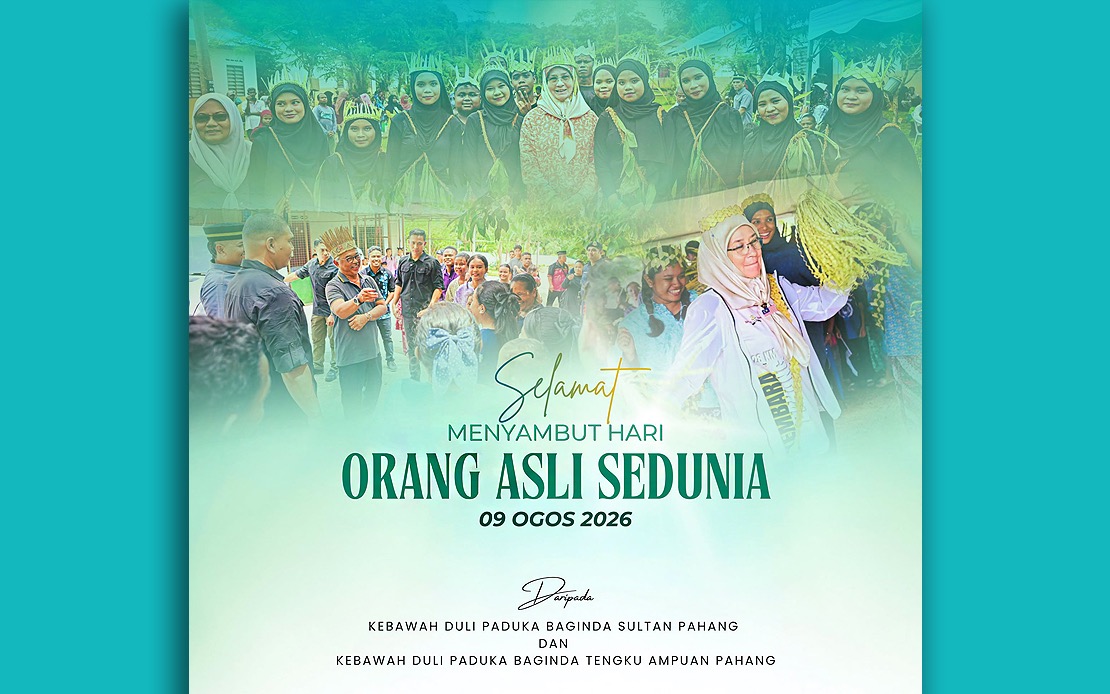
The Sultan of Pahang, Al-Sultan Abdullah Ri'ayatuddin Al-Mustafa Billah Shah, and Tengku Ampuan Pahang Tunku Azizah Aminah Maimunah Iskandariah have publicly recognized the significant contributions made by the Orang Asli community to Pahang's cultural tapestry. In a statement released through official channels on August 9, the royal couple highlighted how indigenous communities have been instrumental in preserving and transmitting the state's distinctive customs, traditions, and heritage values that define its identity within Malaysia's broader multicultural landscape.
The royal acknowledgement carries particular weight given the historical marginalization of Orang Asli populations across Malaysia. By formally recognizing their cultural stewardship, Pahang's leadership is signalling a deliberate policy shift toward validating indigenous knowledge systems and practices that might otherwise be overshadowed by dominant narratives. This recognition reflects growing regional and international momentum around indigenous rights, especially as Malaysia positions itself as a nation committed to inclusive development and cultural preservation.
Central to the royal statement was an expression of hope that future opportunities would be systematically expanded for Orang Asli communities. The Sultan and Tengku Ampuan specifically identified education as a priority area requiring immediate attention. Enhanced educational access remains critical for Orang Asli populations, many of whom continue to experience lower school enrollment and completion rates compared to other Malaysian communities, perpetuating cycles of economic disadvantage.
Beyond education, the royal couple emphasized the importance of facilitating economic development pathways tailored to Orang Asli circumstances. This includes investing in skills training and human capital development programs that build on indigenous knowledge while equipping communities with contemporary competencies demanded by modern labour markets. Such interventions could enable Orang Asli individuals to participate more fully in state and national economic growth while retaining cultural authenticity.
A distinctive feature of the statement was the explicit commitment to protecting Orang Asli cultural identity and heritage as integral to these development initiatives. Rather than framing progress in purely economic terms, the rulers acknowledged that cultural preservation and modernization need not be contradictory objectives. This nuanced positioning suggests recognition that sustainable development for indigenous communities must be culturally sensitive, respecting traditions and customs that constitute the foundation of Orang Asli identity.
The timing of the statement, coinciding with preparations for the 2026 International Day of the World's Indigenous Peoples, reflects Malaysia's participation in global conversations about indigenous rights and recognition. By anchoring their message within this international observance, Pahang's royal leadership positioned the state as an active participant in global indigenous advocacy movements while addressing local realities faced by Orang Asli populations in their jurisdiction.
The royal couple's extended best wishes to Orang Asli communities signified more than ceremonial protocol; it demonstrated institutional commitment to indigenous wellbeing across multiple dimensions. The emphasis on prosperity and quality of life improvements suggests a comprehensive vision encompassing health, social services, infrastructure, and livelihood security alongside cultural preservation.
Perhaps most significantly, the statement positioned cultural heritage preservation as a "shared legacy" rather than an exclusively indigenous responsibility. This language implies that all Malaysians, regardless of ethnic background, have stakes in protecting Orang Asli traditions and knowledge systems. By framing indigenous heritage as collective national treasure, the royal address potentially mobilizes broader societal commitment to supporting Orang Asli communities beyond government initiatives alone.
The rulers' call for unity, respect, and cooperation carries particular resonance in Malaysian contexts where intercommunal relations often require careful navigation. By explicitly urging these values in connection with Orang Asli integration and development, the Sultan and Tengku Ampuan indicated that harmonious coexistence depends on genuinely valuing and supporting indigenous communities, not merely tolerating their presence.
For policymakers across Peninsular Malaysia and beyond, this royal statement provides significant political backing for initiatives targeting Orang Asli advancement. State-level leadership endorsement can catalyze bureaucratic action, unlock budgetary resources, and create momentum for coordinated programs addressing education, economic opportunity, and cultural preservation simultaneously. The articulate framing of these objectives suggests that Pahang may be positioning itself as a model for other states in balancing indigenous rights with broader development goals.

