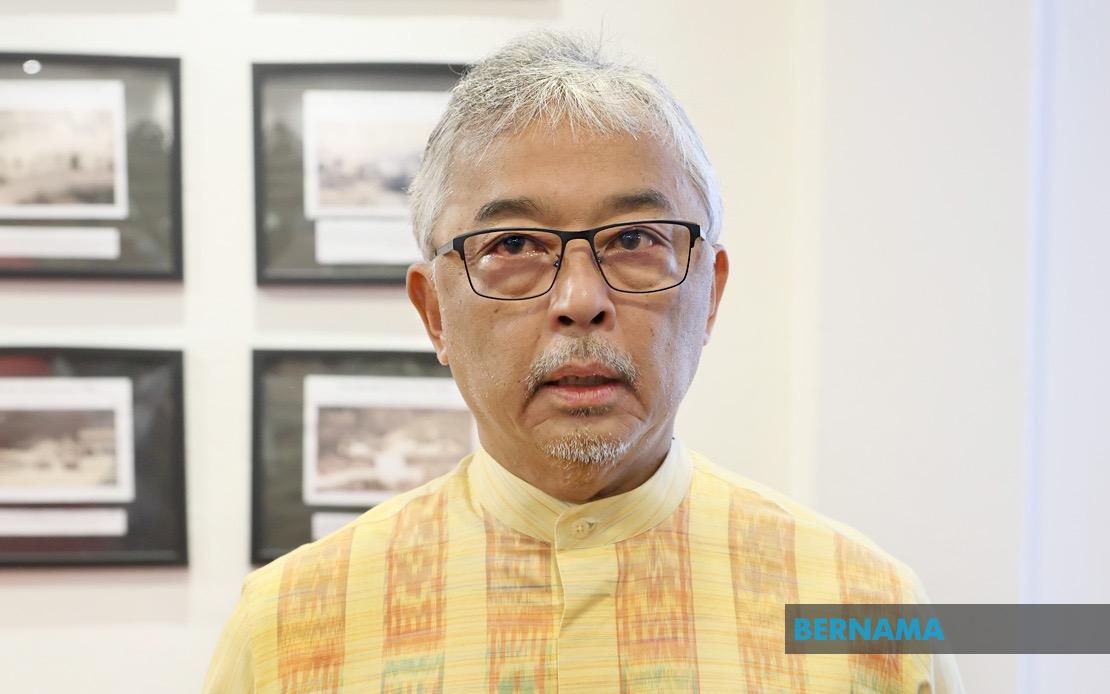
The Sultan of Pahang Al-Sultan Abdullah Ri'ayatuddin Al-Mustafa Billah Shah marked a significant milestone in Malaysian educational history on July 25 by officially launching the centennial celebration of Sekolah Sultan Ahmad, one of the nation's most venerable institutions of learning. Held at the school's campus in Pekan, the event brought together members of the royal household, including Tengku Ampuan of Pahang Tunku Azizah Aminah Maimunah Iskandariah and the heir apparent, Tengku Mahkota of Pahang Tengku Hassanal Ibrahim Alam Shah, underscoring the significance the state places on the occasion.
Sekolah Sultan Ahmad stands as a testament to over a century of continuous educational service in Malaysia. The institution was established in 1926 under its original nomenclature, Government English School, during the early years of colonial administration. Its longevity reflects broader patterns of institutional continuity that have characterised Malaysia's educational landscape, even as the nation transformed from colonial possession to independent state. The school's survival and prosperity across successive political and social epochs speaks to the resilience of its governance and curriculum, adapting to changing national priorities whilst maintaining pedagogical standards.
The historical significance of the school extends beyond mere institutional longevity. Sekolah Sultan Ahmad has cultivated a remarkable roster of prominent graduates who have shaped Malaysian public life and governance. Among these distinguished alumni are Tun Khalil Yaakub, the late Tan Sri Jamaluddin Jarjis, and Tan Sri Sidek Hassan—figures whose contributions span senior government service, diplomacy, and national administration. This legacy of producing high-calibre leaders has embedded Sekolah Sultan Ahmad firmly within the narrative of institutional excellence that defines Malaysia's premier educational establishments, positioning it alongside other historic schools that have consistently fed talent into the nation's upper echelons of power and influence.
The Ruler's remarks on the occasion revealed a particular emphasis on his personal philanthropic agenda within the education sector. Al-Sultan Abdullah articulated his sustained commitment to broadening educational access for Malaysia's economically disadvantaged populations and those pupils demonstrating academic difficulties. Rather than merely attending the ceremonial launch, the Sultan used the platform to reaffirm his ideological positioning on social mobility through education, a theme that has characterised his public interventions since assuming the throne. His gratitude toward organisers and donors underscored the collaborative model through which the royal institution channels its educational initiatives—a partnership between state resources, corporate sponsorship, and civil society engagement.
Critically, the Sultan highlighted quantifiable outcomes from his education initiatives, indicating that approximately 1,000 students from underprivileged backgrounds and those experiencing academic underperformance have successfully transitioned to tertiary education. This metric represents a significant achievement in Malaysian educational equity, particularly given persistent socioeconomic disparities that continue to disadvantage rural and low-income cohorts. The statistic suggests that targeted intervention programmes, presumably involving curriculum adjustment, mentoring, and remedial academic support, can effectively narrow achievement gaps that might otherwise perpetuate cycles of limited opportunity.
The pedagogical approach championed by the Sultan appears to diverge from conventional examination-focused models that dominate Malaysian secondary education. By emphasising learning methodologies that demonstrably improve outcomes for struggling students, the initiatives suggest alternative educational philosophies gaining traction among progressive stakeholders in the Malaysian system. This orientation carries implications for national education policy, particularly as the Ministry of Education continues navigating tensions between standardised testing regimes and more holistic competency development frameworks.
For Pahang specifically, the centennial celebration represents an opportunity for the state to reinforce its cultural and educational identity within Malaysia's federal structure. The state's assertion of royal patronage over heritage institutions like Sekolah Sultan Ahmad situates Pahang as custodian of important national institutions, enhancing the state's prestige and cultural significance beyond its primary roles in resource extraction and administration. The event functioned as a subtle assertion of state agency in educational governance, even within a federal system where the Ministry of Education exercises primary authority.
The involvement of the Tengku Mahkota in the proceedings carries particular significance for succession planning and institutional continuity. The inclusion of the heir apparent in ceremonial functions relating to education signals preparation of the future ruler for stewardship of royal charitable initiatives and public engagement on social policy matters. This intergenerational transmission of responsibility for educational patronage suggests institutional mechanisms through which royal households maintain relevance in contemporary Malaysia by positioning themselves as stakeholders in social development beyond ceremonial functions.
The centennial moment also reflects broader Southeast Asian patterns wherein educational institutions founded during colonial periods have successfully repositioned themselves within post-colonial national frameworks. Unlike institutions that withered following decolonisation, schools like Sekolah Sultan Ahmad have managed renewal through state integration and royal patronage, transforming colonial-era establishments into symbols of national heritage and excellence. This trajectory mirrors experiences across the region, where premier colonial-period schools have become bastions of elite formation and national prestige.
Looking forward, the prominence accorded to Sekolah Sultan Ahmad's centenary and the Sultan's emphasis on educational equity suggest potential policy directions for Pahang and Malaysia more broadly. The visibility given to initiatives benefiting disadvantaged students may encourage emulation by other state governments and educational authorities. Moreover, the quantification of outcomes through the 1,000-student metric establishes a precedent for accountability in educational programmes—an increasingly important consideration in Malaysian governance discourse.
The celebration ultimately transcends ceremonial marking of chronological time. Instead, it functions as a platform for reaffirming educational philosophy, asserting royal relevance in contemporary social policy, and demonstrating commitment to addressing persistent inequality within Malaysia's education system. For Malaysian educators and policymakers observing from other states, the event signals approaches to educational access and excellence that merit consideration within their own jurisdictions.

