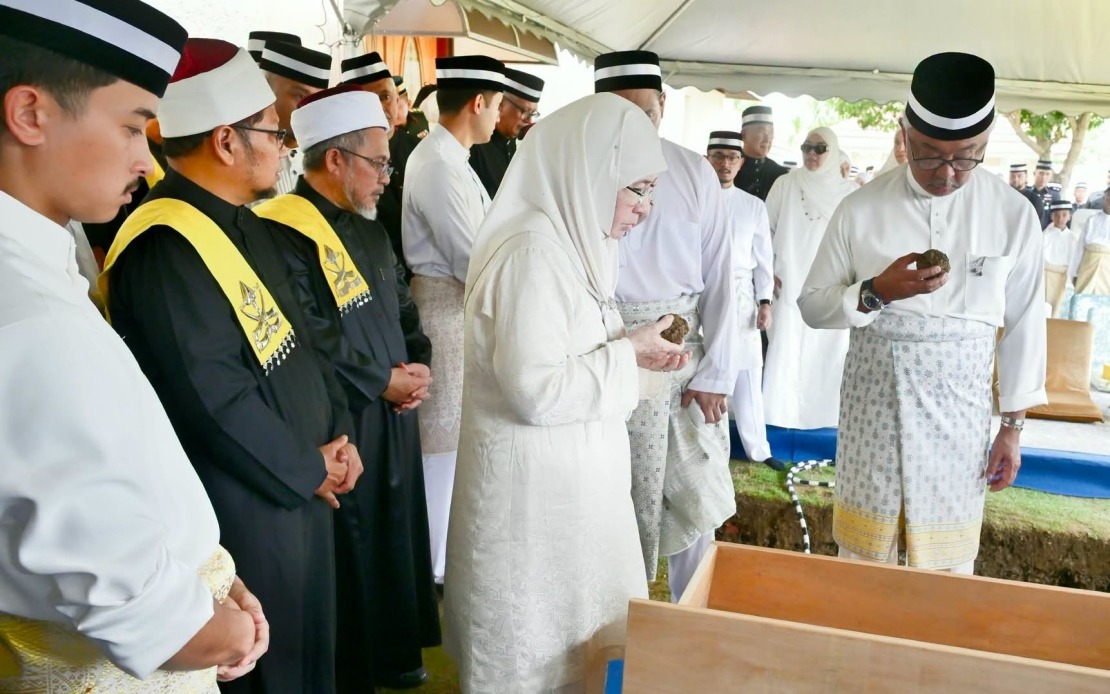
The Sultan of Pahang, Al-Sultan Abdullah Ri'ayatuddin Al-Mustafa Billah Shah, has directed members of the Pahang royal household to undertake a three-day observance of formal mourning in response to the death of his senior sister, Tengku Puteri Seri Kemala Tengku Datuk Seri Aishah Almarhum Sultan Ahmad Shah. The directive was communicated through Comptroller of the Royal Household of the Sultan of Pahang Maj Gen Datuk Mohamed Zahari Yahya, who outlined the specific protocols and duration of the ceremonial period in an official statement released from Kuantan.
The mourning observance commenced on Tuesday and will extend through to Saturday, establishing a comprehensive four-day window during which the royal family will adhere to established protocols of respect and remembrance. The Comptroller's statement made clear that this period represents a significant moment for the Pahang royal household, with particular emphasis on the personal loss experienced by the Sultan himself and Tengku Ampuan of Pahang Tunku Azizah Aminah Maimunah Iskandariah. The decision to observe this formal mourning reflects the importance placed within the institution on marking the passing of senior family members through ceremonial practice.
During the three-day period, all members of the Pahang royal family have been instructed to wear white, a colour chosen to signify the solemnity and dignity of the occasion. For male family members, the protocol extends further with the requirement to also don specific headwear as part of the formal mourning attire. These dress requirements reflect long-standing royal customs and traditions that govern such occasions within Malaysian palace hierarchies, demonstrating the continuing relevance of ceremonial protocols in contemporary royal observance.
Tengku Puteri Seri Kemala passed away at a private hospital in Kuala Lumpur on Wednesday evening at 9:15 pm, following which funeral arrangements proceeded swiftly in accordance with Islamic custom. The interment took place the following afternoon at the Royal Mausoleum situated in Pekan, the state capital of Pahang. The timing and location of the burial ceremonies underscored the formal and dignified nature of her passing, with the choice of the Royal Mausoleum reflecting her prominent standing within the Pahang royal lineage.
The Comptroller's statement included a broader appeal to the people of Pahang, inviting them to join the royal household in offering spiritual remembrance for the deceased. Citizens were specifically encouraged to recite Al-Fatihah, the opening chapter of the Quran, and to offer personal prayers seeking forgiveness and divine mercy for Tengku Puteri Seri Kemala's soul. This public invitation demonstrates how royal mourning in Malaysia extends beyond the immediate family circle to encompass the wider subject community, fostering a shared sense of loss and collective spiritual observance.
The passing of Tengku Puteri Seri Kemala represents a significant moment in the annals of the Pahang royal family, given her position as the Sultan's elder sibling. Within royal hierarchies across the Malaysian states, elder siblings often occupy positions of considerable influence and respect, and their deaths mark important transitions within the family structure. The three-day mourning period thus serves not merely as a ceremonial formality but as a structured opportunity for the royal household to process and honour the loss of a senior member who has lived through multiple generations of the state's modern history.
For Malaysian readers, this event carries particular significance given the central role that the Pahang sultanate plays within the broader Malaysian constitutional monarchy. As one of nine hereditary sultanates that participate in the rotating selection of the national Yang di-Pertuan Agong, Pahang occupies a prominent position within Malaysia's federal structure. The careful observance of royal protocols surrounding significant family events such as this demonstrates the institutional continuity and respect for tradition that characterizes the Malaysian monarchy, even as the nation navigates contemporary social and political developments.
The formal nature of this mourning declaration also reflects broader patterns within Southeast Asian royal families, where the maintenance of ceremonial protocols remains deeply embedded within institutional culture. Across the region, royal households continue to place considerable emphasis on traditional observances and formal acknowledgment of significant family milestones. The Pahang royal family's adherence to these practices signals both respect for inherited customs and a commitment to maintaining the symbolic importance of the monarchy within Malaysian society.
The Comptroller's involvement in publicly announcing the mourning arrangements underscores the structured and official nature of royal protocol management in Malaysia. Palace comptrollers and household officials serve as critical intermediaries between the royal institution and the public sphere, responsible for communicating significant decisions and maintaining the formal protocols that govern royal life. Their role in this instance demonstrates how even matters of personal family loss are managed through formal institutional channels, ensuring clarity, dignity, and appropriate public acknowledgment of significant events within the royal sphere.

