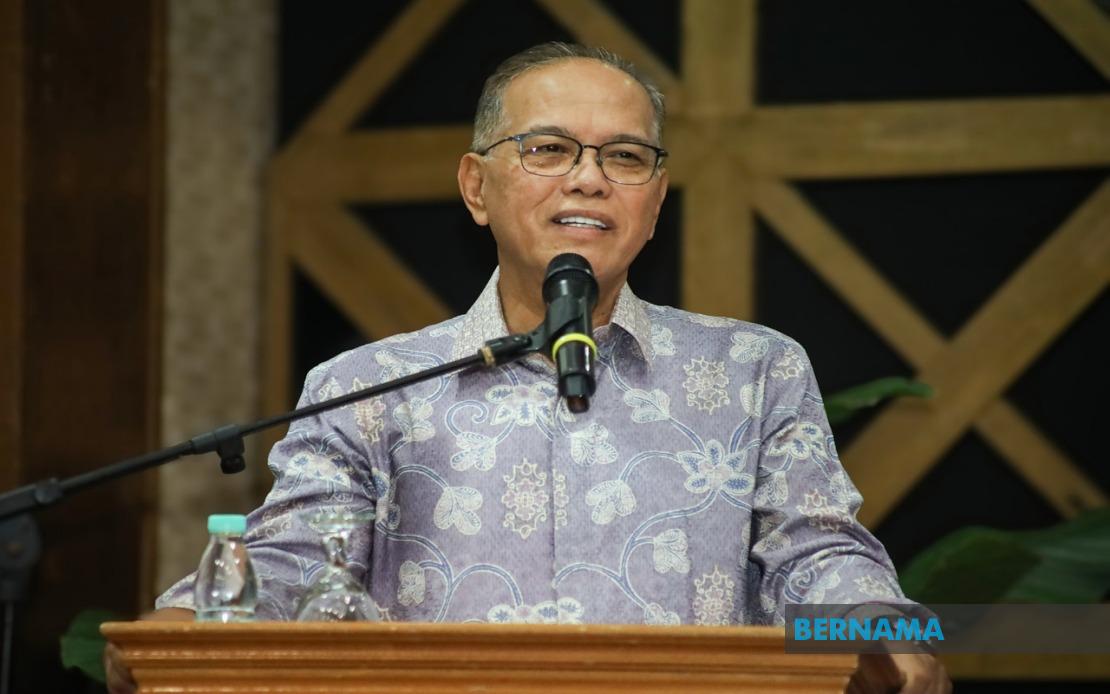
The Pahang state government is channelling more than RM5 million into its technical and vocational education and training framework during 2024, demonstrating a strategic pivot toward proactive workforce development. Menteri Besar Datuk Seri Wan Rosdy Wan Ismail outlined this commitment during Politeknik Sultan Haji Ahmad Shah's 50th anniversary celebration in Kuantan, highlighting the state's determination to build human capital before industrial opportunities materialise rather than scrambling to fill vacancies after investment arrives.
The funds are directed across multiple initiatives designed to strengthen Pahang's TVET ecosystem. Infrastructure upgrades and training facility improvements for Pahang Skills programmes represent a significant component, alongside investments in TVET Pahang Talent Development initiatives and the establishment of the Pahang Rail Academy. This diversified approach reflects recognition that technical education requires substantial physical infrastructure alongside curriculum development and instructor training to function effectively.
Wan Rosdy's philosophy underlying this investment reveals a fundamental shift in developmental thinking. Rather than adopting a reactive posture where states wait to identify skills gaps only after industries announce investment projects, Pahang is adopting predictive workforce planning. The strategy assumes that having a ready pool of trained technicians and vocational graduates creates a competitive advantage when multinational firms and regional manufacturers evaluate location decisions. States with demonstrated technical capability and young workers possessing relevant certifications present lower operational risks than those requiring years of training infrastructure development.
Politeknik Sultan Haji Ahmad Shah, having operated since 1976 and graduated 60,000 individuals, represents the institutional foundation upon which Pahang's TVET aspirations rest. The polytechnic's five decades of operation have established curriculum frameworks, industry connections, and graduate employment networks that newer institutions would require years to develop. Wan Rosdy characterised the state's relationship with POLISAS as a strategic partnership, indicating plans to leverage the institution's experience and credibility as the anchor for expanded vocational education offerings across the state.
Bridging the classroom-to-workplace transition remains a persistent challenge in Malaysian technical education, where graduates sometimes find their qualifications misaligned with actual industry requirements. Recognising this persistent problem, Wan Rosdy emphasised strengthening ties between educational institutions and employers. The emphasis on ensuring classroom content translates into immediately applicable workplace skills addresses a fundamental weakness that undermines the return on investment in TVET infrastructure. When graduates emerge with outdated or theoretically-focused knowledge, employers lose confidence in the credential system, and young workers face unemployment despite formal qualifications.
The Pahang initiative arrives amid broader national conversations about skills development and industrial upgrading. Malaysia's economic ambitions increasingly depend on moving manufacturing capacity up the value chain toward higher-skilled assembly, maintenance, and technical roles rather than competing with lower-wage neighbours on basic assembly work. States that successfully develop vocational expertise position themselves advantageously for attracting semiconductor manufacturing, advanced automotive production, and precision engineering facilities that represent the industry's future. Pahang's geographic location within the Eastern Corridor development zone and its aspirations for becoming an industrial hub make TVET investment strategically rational rather than merely philanthropic.
Wan Rosdy simultaneously pressed the federal government to provide Pahang with enhanced allocation consideration within the 2027 budget framework. His appeal acknowledged that Pahang's vast geographic expanse—the nation's second-largest state by area—generates infrastructure demands exceeding those of more densely populated territories. Beyond highways and hospital facilities, which typically dominate infrastructure discussions, Wan Rosdy argued that comprehensive development must encompass education, economic development, social welfare, and religious programmes. This broadened conception of development priorities reflects evolving expectations among state leaders regarding federal resource distribution.
The Menteri Besar indicated that Pahang's state budget presentation scheduled for November at the State Legislative Assembly will reveal the government's funding priorities and fiscal strategy. His characterisation of anticipated allocations across education, economy, welfare, infrastructure, and Islamic promotion sketches a governing philosophy emphasising holistic development rather than narrow sectoral focus. The commitment to channel state revenues directly toward constituent benefit, coupled with aspirations that budget performance will exceed prior years, suggests confidence in state revenue generation and fiscal management despite challenging economic circumstances elsewhere in Malaysia.
Pahang's TVET initiative carries implications extending beyond the state borders. Successful vocational education produces technical workers willing to migrate within Malaysia for employment, creating regional talent mobility. If Pahang develops recognised excellence in specific vocational fields, it potentially attracts students from other states, generating educational tourism and institutional prestige. Conversely, failure to deliver quality training and genuine employment pathways for graduates risks breeding cynicism about technical education credentials generally, reinforcing persistent Malaysian preferences for academic rather than vocational qualifications despite demographic and economic realities favouring the latter.
The intersection of state-level TVET investment, federal budgetary support, and industrial recruitment strategies illustrates how Malaysia's multi-layered governance structure shapes economic development trajectories. States cannot unilaterally ensure manufacturing investment arrival, yet they can control educational quality and workforce readiness. Federal governments cannot operate individual polytechnics, yet their budgetary allocation decisions fundamentally constrain or enable state-level ambitions. Pahang's strategic positioning through TVET investment represents a calculated effort to maximise state agency within this complex system, preparing conditions attractive to industrial investors while demonstrating developmental commitment to constituents.

