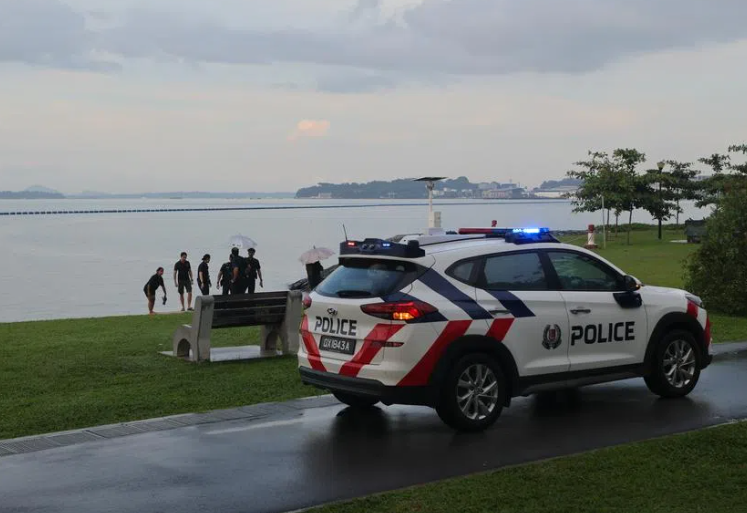
A tragic incident unfolded at Pasir Ris Beach on Sunday afternoon when a paddleboarder was fatally struck by lightning whilst in the water with a group of recreational water sports enthusiasts. The 24-year-old victim, who was conveyed unconscious to hospital following the incident at approximately 4.50pm on July 5, was subsequently pronounced dead. Six other individuals, ranging in age from 13 to 54 years old, were also caught in the electrical strike but remained conscious when emergency responders transported them to medical facilities. Police confirmed that preliminary investigations have found no indicators of foul play, with inquiries continuing into the circumstances surrounding the accident.
Emergency services mobilised rapidly to the scene at 131 Pasir Ris Road following alerts from beachgoers and fishermen. The Singapore Civil Defence Force transported five of the injured to Sengkang General Hospital, whilst two children were taken to KK Women's and Children's Hospital for treatment and observation. Video footage captured shortly after the incident shows SCDF officers conducting emergency resuscitation procedures on an unconscious individual on the grassy area adjacent to the beach, with a Light Fire Attack Vehicle and ambulance positioned nearby to facilitate medical evacuation and transport.
Accounts from witnesses paint a vivid picture of the incident's sudden and unexpected nature. Muhammad Fairuz, a 40-year-old delivery rider who was fishing at the beach, reported that the paddleboarding and kayaking group was approximately 100 metres offshore when the strike occurred, noting remarkably that the sky had appeared clear moments before the lightning descended. The electrical discharge was powerful enough that Fairuz, positioned on the shoreline, felt the current travel through his fishing rod, underscoring the intensity of the natural phenomenon. He observed the immediate aftermath as one member of the group lay unconscious on his paddleboard while the remaining participants paddled urgently back toward land in their kayaks.
Fairuz's quick thinking and compassion directly contributed to the victim's emergency response. Recognising the gravity of the situation, he and another beachgoer deployed their own kayaks to reach the stricken paddleboarder and transport him back to shore, where SCDF personnel were awaiting their arrival. This crucial window between the incident and professional medical intervention underscores the importance of rapid bystander action in water-based emergencies, particularly when lightning strikes occur in marine environments where immediate access to aid is constrained by distance and water conditions.
The incident highlights Singapore's vulnerability to electrical storms, with meteorological data revealing that the island-state experiences an average of 176 lightning days annually, based on records from the Meteorological Service Singapore's Changi climate station. A lightning day is formally defined as any calendar day during which at least one lightning occurrence is detected at the monitoring station. This frequency places Singapore within a region where lightning-related incidents pose a genuine public safety concern, particularly during monsoon seasons and periods of atmospheric instability that are characteristic of equatorial and tropical climates.
This fatality represents a recurring hazard within Singapore's water sports and maritime communities. In May of this year, a worker employed at a fish farm lost his life following a direct lightning strike, demonstrating that occupational exposure intensifies risk. Additionally, in December 2023, three workers were hospitalised after lightning struck near their worksite, indicating that both recreational and professional activities conducted outdoors during electrical storms carry substantial dangers. These incidents collectively underscore a pattern of lightning-related injuries and deaths that extends beyond isolated occurrences.
For Malaysian readers and regional observers, Singapore's experience serves as a pertinent reminder of the weather-related hazards that characterise Southeast Asian maritime environments. Malaysia's coastlines and inland water bodies experience comparable atmospheric conditions and lightning frequencies, particularly during the monsoon periods. Padang Rengas, Ipoh, and other Malaysian water recreation areas face analogous risks when thunderstorms develop. The incident at Pasir Ris Beach illustrates why water sports enthusiasts and maritime workers throughout the region should remain vigilant regarding weather forecasts and maintain awareness of electrical storm warnings issued by meteorological authorities.
Public safety protocols and emergency response coordination between multiple agencies proved effective in this case, with the SCDF, police, and hospital systems mobilising within minutes of the initial alert. However, the tragic outcome underscores the limitations of even rapid response when individuals are struck by the enormous energies contained within lightning bolts. A single direct strike can cause instantaneous cardiac arrest, severe burns, and neurological damage that may prove insurmountable despite immediate resuscitation efforts. This medical reality emphasises that prevention—through awareness, weather monitoring, and behaviour modification—remains the most effective protective strategy.
The police statement confirming the absence of foul play and the ongoing nature of investigations suggests that authorities are examining factors such as weather conditions, the group's adherence to safety protocols, and whether any warning systems or communications failed. Understanding these details will inform guidance for future beach and water sports users. Maritime authorities in both Singapore and Malaysia may subsequently issue updated advisories regarding lightning safety during water-based recreational activities, particularly recommendations to cease paddleboarding, kayaking, and swimming when electrical storms approach or when thunder and lightning are audible or visible.
For the broader maritime and water sports communities across Southeast Asia, the Pasir Ris Beach incident serves as a sobering reminder of nature's power and unpredictability. Recreational organisations, beach operators, and water sports facilities should review their lightning safety protocols, including procedures for evacuation, shelter provisions, and communication systems to alert users of approaching electrical storms. Insurance providers and liability frameworks may also be prompted to examine coverage and risk management standards for organisations operating water sports facilities in tropical regions where atmospheric conditions frequently produce lightning activity.

