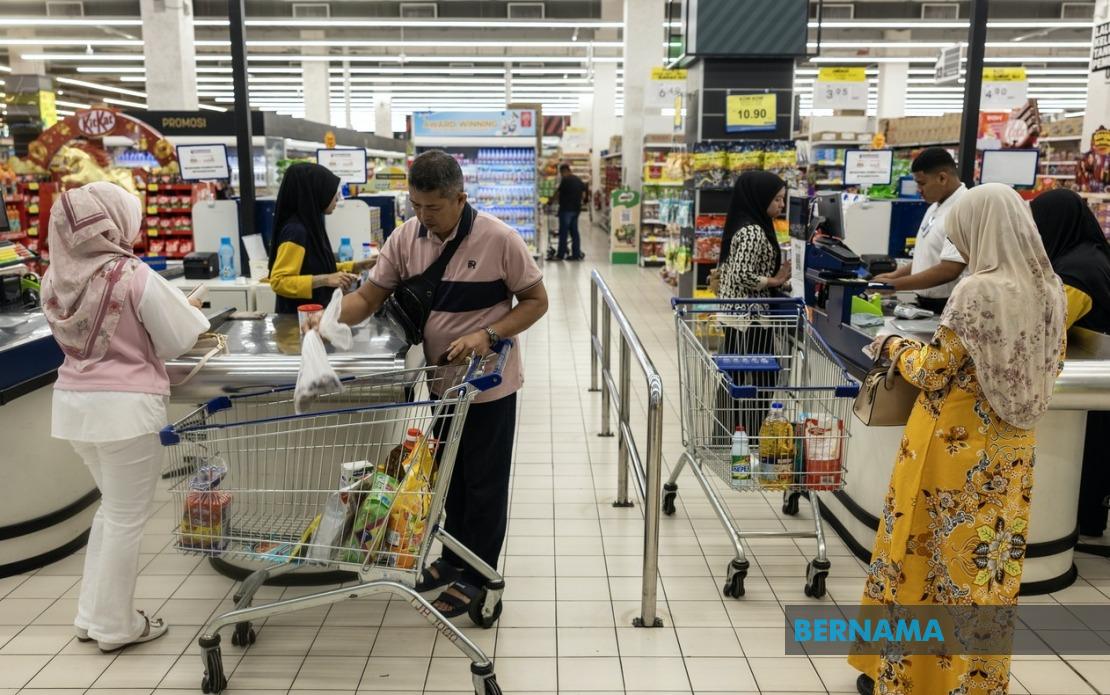
Nine million and 150,000 Malaysian households receiving the Sumbangan Tunai Rakmah cash assistance programme have become eligible beneficiaries of the government's mySalam B40 National Protection Scheme this year, according to Finance Minister II Datuk Seri Amir Hamzah Azizan. The eligibility determination is based on criteria established for the 2026 financial year, representing a substantial expansion of access to subsidised health protection tailored for low-income families.
Since its establishment in 2019 through to the close of 2025, the mySalam scheme has demonstrated measurable impact on healthcare accessibility for vulnerable groups. The Ministry of Finance reports that approximately 1.88 million individuals have received payouts during this period, representing aggregate disbursements totalling RM1.42 billion. These figures underscore the scheme's role as a social safety net addressing the considerable financial burden that critical illness and hospitalisation expenses impose on households earning below RM4,000 monthly.
The scheme's financial position remains robust heading into the second half of 2026. With a residual fund allocation of RM490.9 million recorded at year-end 2025, and taking into account mid-year expenditures reducing this to approximately RM290 million by June, the programme maintains sufficient resources to sustain payouts throughout the calendar year. This cushion of available capital provides the government with operational flexibility as it considers whether to extend the scheme beyond its current mandate.
Utilisation patterns reveal accelerating uptake among eligible recipients, indicating growing awareness and accessibility of the protection scheme. During 2025, nearly 300,000 beneficiaries lodged successful claims totalling RM276 million in payouts, a substantial jump compared with the 190,725 claimants who received benefits during 2024. This represents a 57 percent increase in claim volume and approximately 45 percent growth in aggregate disbursements year-on-year, signalling strengthening demand and improved programme penetration into target communities.
The pace of utilisation has continued unabated in the current year. As of May 2026, preliminary data indicates that roughly 123,000 recipients have already extracted benefits amounting to RM108 million, suggesting annualised claim volumes could reach or exceed 300,000 individuals if current momentum persists through December. Finance Minister Amir Hamzah highlighted these metrics during parliamentary question time when addressing concerns raised by opposition and government-aligned lawmakers regarding the scheme's effectiveness in delivering healthcare protection to the B40 income bracket.
For Malaysian policymakers and the lower-income households the scheme serves, the escalating utilisation rates carry significant implications. The rising participation reflects not merely scheme awareness but also the persistent healthcare affordability crisis among families earning below the official poverty line. By covering costs associated with critical illness and hospitalisation—typically the financial shocks that push vulnerable households into debt or forgo necessary medical treatment—mySalam addresses a documented market failure where private insurance remains inaccessible and government hospital systems face capacity constraints.
The question of scheme continuation has emerged as a political priority, with parliamentary members from both ruling coalition and opposition benches seeking clarity on its future. Responding to this pressure, the Finance Minister indicated that extension beyond the current year remains under active government consideration. The retention of substantial reserves after five years of operation, combined with accelerating claim rates, suggests the scheme delivers targeted assistance efficiently rather than suffering from chronic undercapitalisation or wasteful administration.
Regional context amplifies the mySalam programme's significance within Southeast Asia's broader social protection landscape. Malaysia's approach of ringfencing dedicated budgets for health protection keyed to cash transfer recipients contrasts with several neighbouring economies where healthcare subsidies remain fragmented across multiple agencies or subject to annual budget volatility. The scheme's durability since 2019, sustained through shifts in government and economic cycles, indicates political consensus around the necessity of health-related social spending.
The mechanics of linking mySalam eligibility to STR cash transfer recipient rolls offers operational advantages. By anchoring health protection to an existing programme with established verification systems and regular payment infrastructure, the government minimises administrative overhead and ensures that beneficiary identification aligns with independently validated income criteria. This integration reduces fraud risk and facilitates outreach, as STR recipients already possess official recognition of their economic status.
Looking forward, the government's statement that mySalam remains "under review" for extension carries implications for household financial planning among recipient communities. Approximately 9.15 million households currently enjoy protection assurance, while ongoing usage rates suggest a substantial proportion of beneficiaries retain trust in the scheme's claims process and payout reliability. Uncertainty regarding continuation could dampen investment in preventive health awareness if low-income families perceive the programme as temporary.
Finance Minister Amir Hamzah's commitment to "refining the scheme" if extended hints at possible modifications to coverage parameters, claim procedures, or eligibility criteria based on accumulated experience since 2019. Such adjustments could enhance scheme sustainability or broaden access to adjacent groups facing similar healthcare affordability barriers. The statement reflects a learning orientation rather than static programme management, suggesting the government intends to preserve mySalam's core objective—financial protection from health shocks—while optimising its operational efficiency.
The substantial fund balance position creates fiscal space for either extending mySalam as-is or implementing enhancements without requiring supplementary appropriations during the current financial year. This technical capacity to sustain or expand the programme, combined with demonstrated effectiveness in reaching target populations and growing claims activity, establishes a credible foundation for political decisions regarding the scheme's continuation. For Malaysian households earning below RM4,000 monthly, the mySalam programme has become an established element of their healthcare risk management strategy.

