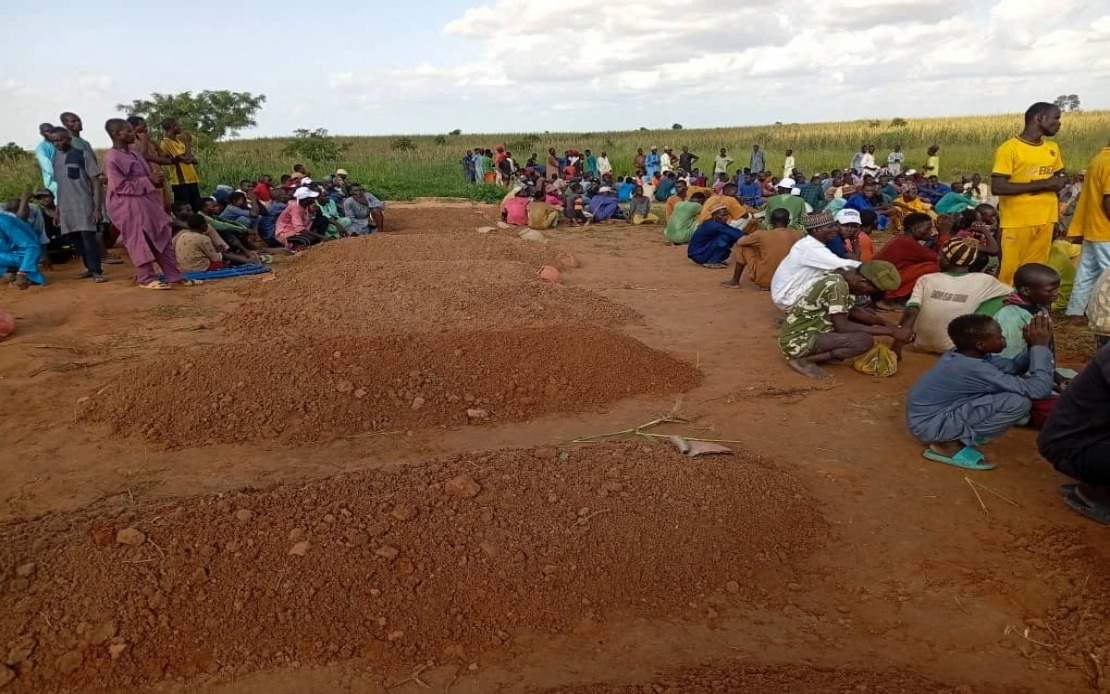
A tragic maritime accident in northwestern Nigeria has claimed the lives of more than 40 people, predominantly children, after an overcrowded boat overturned whilst transporting farmers and labourers to agricultural fields in Sokoto state. The vessel sank near Gorau town in Goronyo Local Government Area as passengers were en route to rice farming operations, with witnesses and local officials confirming the devastating loss of life on Thursday.
Official accounts of the death toll vary slightly, reflecting the challenge of recovery operations in the immediate aftermath. Abdulkadir Yusuf, the Sokoto state manager of Nigeria's National Inland Waterways Authority (NIWA), initially reported 40 confirmed deaths whilst cautioning that the figure remained subject to verification. However, local witnesses presented a graver picture, with one observer documenting approximately 47 bodies that had been arranged at a community mosque in Gorau in preparation for traditional funeral rites scheduled for the same evening. The discrepancy between official and eyewitness accounts underscores the chaotic nature of the recovery effort.
Age became a defining tragedy of the incident. Nasiru Adamu, a lawmaker representing the constituency in the Sokoto State House of Assembly, disclosed that the vast majority of passengers were children aged between 10 and 15 years old, many of whom were accompanying adults on a routine journey to agricultural plots. This detail transforms the accident from a regrettable maritime mishap into a particular catastrophe for families and communities in the region, with multiple households losing young members simultaneously.
Capacity emerged as a critical factor in the disaster. The vessel was transporting nearly 70 passengers, substantially exceeding safe operating limits, according to Adamu's account. Of these, rescue teams managed to recover more than 40 bodies whilst successfully retrieving 16 survivors, with ongoing diving operations continuing to search the waterway for additional victims and bodies. The attempted rescue operation remained active as of the reporting date, though hopes of locating further survivors grew increasingly remote given the passage of time.
Personal accounts from survivors and bereaved relatives provided harrowing detail. Samaila Garba, a 55-year-old resident, recounted losing his 13-year-old granddaughter, Jamila Usman, in the tragedy. Garba's own count of recovered bodies reached at least 42, with his observation reinforcing that women and children formed the overwhelming majority of victims. Such individual testimonies illustrated the human dimension of the statistics, highlighting families fractured and communities depleted by a single preventable incident.
The disaster arrives amid a broader pattern of maritime casualties plaguing Nigeria's inland waterway system. Overloading of vessels, deferred maintenance of deteriorating infrastructure, and inadequate enforcement of safety protocols have created a dangerous environment where fatal accidents occur with troubling regularity, particularly during the rainy season when water levels rise and conditions become more treacherous. The combination of these factors suggests systemic failure rather than isolated negligence.
Historical precedent demonstrates the recurring nature of such tragedies. In January of the same year, a minimum of 25 people perished when a boat with a documented leak sank in Yobe state in northeastern Nigeria. That incident, like the Sokoto disaster, involved overcrowding and inadequate vessel maintenance, pointing to patterns that regulatory authorities have failed to effectively address. The repetition of fundamentally similar accidents separated by mere months suggests that warnings and investigations have not translated into meaningful policy reform or enforcement improvements.
For readers in Malaysia and across Southeast Asia, this tragedy carries particular resonance given the region's own dependence on inland and coastal waterway transport. Many Southeast Asian nations face comparable challenges involving overcrowding, maintenance deficiencies, and sporadic safety enforcement on rivers and coastal routes utilised by farmers, labourers, and rural populations. The Sokoto incident serves as a cautionary reminder that without sustained investment in maritime infrastructure, rigorous safety inspections, and consistent enforcement of passenger capacity limits, vulnerable populations remain at extraordinary risk.
The immediate recovery operation focused on locating additional bodies and survivors whilst simultaneously managing the cultural and religious requirements of local communities for proper burial rites. However, the longer-term imperative extends beyond immediate response to fundamental questions about transportation safety governance. Whether Nigerian authorities implement structural reforms—including vessel registration systems, mandatory safety equipment inspections, capacity enforcement mechanisms, and operator licensing requirements—will determine whether such catastrophes become less frequent or remain endemic features of inland water transport across West Africa.

