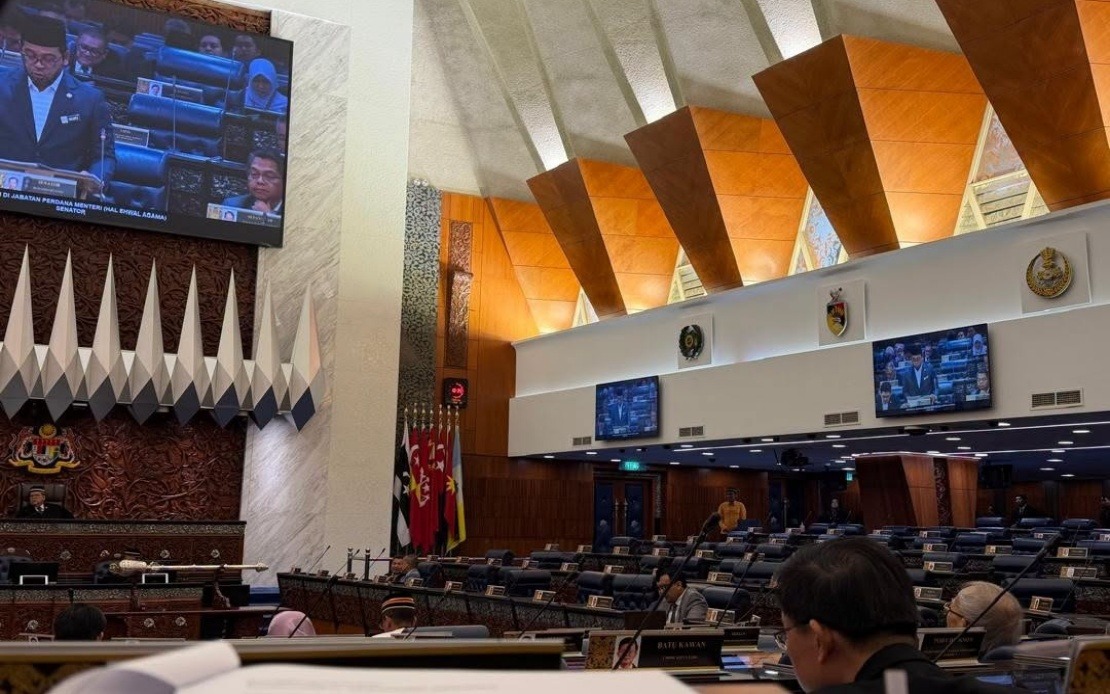
The opposition's decision to boycott a special parliamentary session on the Tabung Haji Royal Commission of Inquiry report has become a flashpoint in Malaysia's ongoing political tensions, with government voices suggesting the move undermines claims of principled governance. MADANI Government Backbenchers Club chairman Datuk Seri Dr Zaliha Mustafa seized on the walkout to challenge the opposition's credibility on matters affecting Muslim interests, framing the incident as a revealing moment in parliamentary dynamics.
The controversy erupted during a sitting specifically convened to allow lawmakers to scrutinise findings from the RCI into Lembaga Tabung Haji's management. Opposition MPs vacated the chamber before Minister in the Prime Minister's Department for Religious Affairs Dr Zulkifli Hasan could present the government's position on the inquiry report. This parliamentary theatre occurred against the backdrop of practical constraints—Prime Minister Datuk Seri Anwar Ibrahim and Deputy Prime Minister Datuk Seri Fadillah Yusof were both undergoing medical treatment and absent from proceedings. Perikatan Nasional chief whip Datuk Seri Takiyuddin Hassan had previously moved to postpone the sitting in light of these absences, but Speaker Tan Sri Johari Abdul ruled to proceed.
The timing of the walkout raises substantive questions about parliamentary procedure and opposition strategy in Malaysia's post-2022 political landscape. Dr Zaliha's interpretation frames the exit not merely as procedural protest but as strategic withdrawal from meaningful engagement. By departing before the ministerial briefing, opposition MPs surrendered the parliamentary platform to interrogate the RCI findings directly—a forum where their objections could be formally recorded and where government responses could be immediately tested through parliamentary questioning. Instead, their concerns would necessarily be articulated outside the chamber, in press conferences and social media posts lacking the formal weight of parliamentary record.
The substance of the dispute involves stewardship of Tabung Haji depositors' funds, a matter carrying particular resonance in Malaysia given the scheme's cultural and religious significance. Lembaga Tabung Haji manages savings for Muslim pilgrims preparing for the hajj pilgrimage, and the institution's financial management directly affects millions of depositors. An RCI inquiry into its operations suggests previous governance concerns, making parliamentary scrutiny a legitimate public interest matter. The opposition's withdrawal from this debate thus invites questions about whether they prioritise other political objectives above accountability mechanisms for institutions serving Muslim savers.
Dr Zaliha's rhetorical strategy merits examination within Malaysian political context. By charging that the opposition claims to champion Islamic interests and transparency while avoiding parliamentary confrontation, she positions the walkout as exposing inconsistency between rhetoric and action. This argument resonates within Malaysia's conservative political environment, where defence of Islamic institutions carries weight. The challenge to "what does the opposition actually want" appeals to voter concern that parliamentary opposition should focus on substantive governance issues rather than procedural grandstanding.
Yet the opposition's position reflects genuine procedural concerns worthy of consideration. The absence of both the Prime Minister and Deputy Prime Minister from a parliamentary sitting—regardless of health reasons—diminishes the event's political significance. In Westminster-derived systems, ministerial presence and accountability remain central to parliamentary legitimacy. An opposition party might reasonably view participation in such a sitting as implicitly accepting a reduced-status parliamentary exercise, particularly when the matters under discussion potentially implicate government decision-making at the highest levels.
The walkout also occurs within Malaysia's fraught political context of government formation. Since the 2022 elections, coalition-building has taken precedence over normal parliamentary business for both government and opposition blocs. Opposition parties remain sensitive to perceptions of legitimising any government initiative, especially when procedural irregularities might be exploited to undermine their credibility with supporters. In such an environment, tactical withdrawal from specific parliamentary sessions may serve coalition-holding purposes even when substantive debate might logically benefit their supporters.
For Malaysian observers and regional analysts, the incident illustrates persistent tensions between Malaysia's formal Westminster parliamentary structures and the pragmatic coalition politics of contemporary practice. Parliamentary debate on significant matters of public finance and religious institution management ideally occurs with full participation from all sides and with senior leadership present. Yet Malaysia's political arithmetic often compels such deviations from parliamentary norms. The opposition's walkout, however strategically justified from their perspective, cedes the narrative advantage to government figures who can now claim superior commitment to parliamentary accountability.
The Tabung Haji RCI report itself deserves independent scrutiny separate from partisan manoeuvring. Whether findings suggest past mismanagement, whether government responses adequately address depositor protections, and whether systemic reforms have been implemented—these questions matter to millions of Malaysian Muslims regardless of political affiliation. Parliamentary absence by opposition members means their concerns, if any, remain unrecorded in the official legislative record, potentially weakening future efforts to pursue accountability or remedial action.
The incident reflects broader challenges facing parliamentary opposition in Malaysia. Maintaining political distinction from government while participating constructively in parliamentary institutions requires navigating complex terrain. Walkouts, boycotts, and procedural protests serve tactical purposes but carry costs in terms of legislative influence and public perception. Opposition parties must weigh whether specific boycotts advance their broader governance agenda or merely provide momentary political theatre while allowing government initiatives to proceed unchallenged in the parliamentary record.
Moving forward, the Tabung Haji episode suggests Malaysian parliamentary opposition faces strategic questions about engagement models. Whether through focused legislative scrutiny, formal minority reports, or persistent questioning of government decisions, opposition parties retain tools for holding executive power accountable even when outnumbered. Strategic withdrawal from parliamentary forums, conversely, transfers initiative entirely to government MPs and ministers who can then shape the narrative around governance issues affecting large constituencies.

