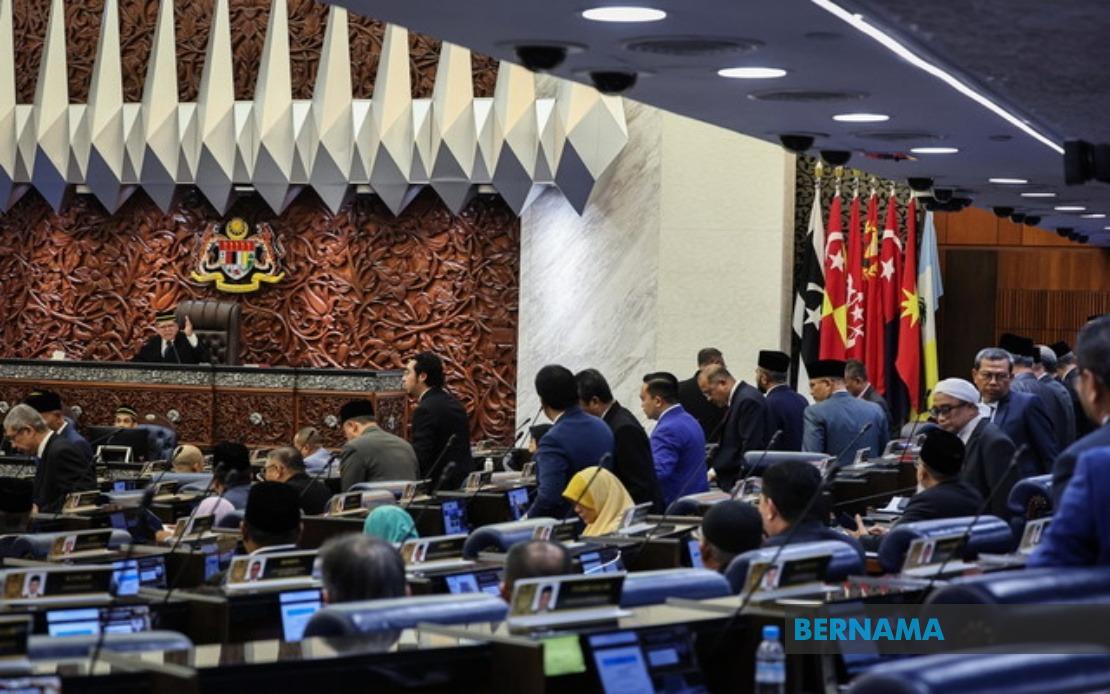
Opposition Members of Parliament walked out of a special sitting of the Dewan Rakyat on August 11, refusing to participate in a ministerial briefing concerning the Royal Commission of Inquiry report into Lembaga Tabung Haji's management and operations. The dramatic exit underscored mounting tensions in parliament over the handling of a matter that touches on a sensitive institution managing the savings and investments of millions of Malaysian Muslims performing the hajj pilgrimage.
The opposition's decision to leave the chamber stemmed from dissatisfaction with Dewan Rakyat Speaker Tan Sri Johari Abdul's determination to proceed with the briefing despite the notable absence of Prime Minister Datuk Seri Anwar Ibrahim. Their objection reflected a broader parliamentary principle that substantive policy briefings of national significance warrant the presence of the country's chief executive, particularly when the matter concerns an institution as important as Tabung Haji.
Perikatan Nasional opposition chief whip Datuk Seri Takiyuddin Hassan had earlier proposed deferring the special sitting, pointing out that neither Anwar nor Deputy Prime Minister Datuk Seri Fadillah Yusof were present due to receiving medical treatment. The absence of both the PM and DPM created a credibility vacuum that opposition lawmakers felt was incompatible with discussing findings about an institution entrusted with billions of ringgit in pilgrim deposits.
The Speaker's response to the walkout proved characteristically forceful. Rather than accommodating the opposition's concerns, Johari invoked public accountability, reminding lawmakers that citizens were observing their conduct. His statement—suggesting that those unwilling to discuss the matter or who deemed it unimportant should depart—essentially reframed the walkout as a dereliction of duty. This rhetorical positioning shifted the narrative from legitimate procedural objections to perceived parliamentary irresponsibility.
Allowing the opposition to leave without rescheduling represented a strategic choice that prioritised maintaining the government's agenda over achieving parliamentary consensus on a matter of substantial public interest. The briefing proceeded with Minister in the Prime Minister's Department (Religious Affairs) Dr Zulkifli Hasan delivering the RCI findings to the reduced chamber, meaning the government could claim it had fulfilled its obligation to brief parliament while the opposition could claim it had protested procedural impropriety.
The Tabung Haji RCI itself emerges from years of accumulated concerns about the pilgrimage savings institution's financial management, transparency, and governance practices. The inquiry's findings hold significance extending far beyond parliamentary procedure, affecting the confidence of millions of Malaysian Muslims in an institution where they entrust funds sometimes accumulated over decades. The quality and credibility of how parliament receives and scrutinises these findings therefore matters immensely to the broader public interest.
For Malaysian readers following parliamentary affairs, this episode illustrates the recurring tension between executive efficiency and legislative scrutiny in the country's political system. When time-sensitive briefings proceed without full government representation or opposition participation, the resulting lack of comprehensive debate can leave questions inadequately explored and accountability mechanisms underutilised. The walkout signals opposition unhappiness with a pattern they perceive as governmental dismissal of legitimate parliamentary oversight.
The medical absences cited by the Deputy PM and PM point to broader questions about parliamentary continuity and crisis management. While individual health issues are understandable, the handling of this particular briefing raises expectations that such substantive matters should either be rescheduled or scheduled only when full government and opposition representation can be assured. The decision to proceed reflected confidence in the briefing's importance outweighing procedural concerns, yet simultaneously acknowledged those concerns by permitting departure without penalty.
Looking forward, the incident establishes a precedent that even matters involving major institutions and public interest can proceed through parliament with fractious opposition participation or non-participation. Whether this approach ultimately strengthens or weakens institutional trust in both parliament and Tabung Haji remains to be seen, particularly as the broader Malaysian public attempts to understand the RCI's implications for the future of their pilgrimage savings arrangements.

