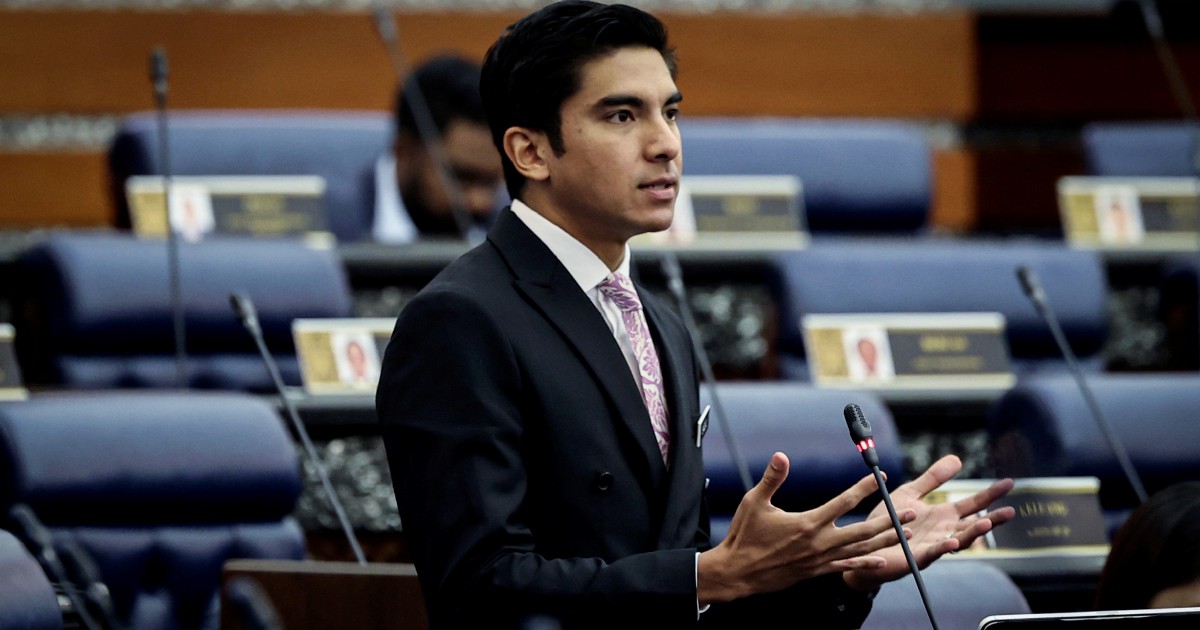
In a pointed rebuke delivered within parliament's chamber, Muda member for Muar Syed Saddiq Syed Abdul Rahman has roundly criticised opposition parliamentarians for their decision to absent themselves from crucial deliberations surrounding the Tabung Haji Royal Commission of Inquiry report. The boycott, he argues, amounts to a fundamental failure of representation, leaving over 10 million Tabung Haji depositors without their elected representatives' voice during legislative proceedings aimed at addressing governance failures at the institution.
Tabung Haji, officially known as the Pilgrims Fund Board, operates as Malaysia's primary savings and investment vehicle for Muslims seeking to accumulate capital for the Hajj pilgrimage. The institution manages substantial sums belonging to a broad cross-section of the Malaysian population, from civil servants to petty traders and retirees, making it a matter of significant national importance. The establishment of a royal commission of inquiry underscores the gravity of concerns regarding the organisation's management and operational integrity.
Syed Saddiq's intervention highlights the political dimensions of the depositors' plight. By refusing to participate in parliamentary scrutiny, opposition lawmakers have effectively ceded the legislative arena to government-aligned members, potentially limiting the depth and breadth of questioning directed at Tabung Haji's leadership and the circumstances that necessitated a royal inquiry. Parliamentary debate serves as a critical mechanism through which lawmakers can extract accountability and ensure that remedial measures address systemic deficiencies.
The Muar representative's criticism carries particular weight given his independent political positioning within the Pakatan Harapan defection narrative. Syed Saddiq founded Muda as a centrist party positioning itself outside the traditional government-opposition binary, allowing him to observe the conduct of both parliamentary camps with comparative detachment. His condemnation suggests that the opposition's strategic choice may have overridden substantive legislative objectives.
For Malaysian depositors, many of whom depend on Tabung Haji returns to fund one of Islam's five pillars, the RCI report represents an opportunity to understand what institutional failures occurred and what safeguards will be implemented moving forward. The report's findings likely contain recommendations spanning governance restructuring, financial recoveries, and operational reforms. Parliament's examination of these recommendations directly affects whether improvements materialise or remain academic exercises.
The opposition's absence from the debate merits scrutiny from multiple angles. Political boycotts can serve legitimate purposes as expressions of protest against government overreach or inadequate procedural fairness. However, when the subject matter directly affects millions of ordinary Malaysians' financial wellbeing, the calculation becomes more complex. Depositors, as a constituency, transcend partisan politics and hold no allegiance to any particular coalition.
Contempt for Tabung Haji management and governance failures appears widespread across Malaysia's political spectrum, making the boycott appear particularly puzzling to observers. The RCI's formation itself suggests broad-based concern about the institution's operations. If opposition parties harbour serious reservations about the royal commission's terms of reference or credibility, articulating those concerns during parliamentary debate would carry greater impact than an empty chair. Silence, by contrast, permits narratives to crystallise unopposed.
For Malaysia's broader governance architecture, parliamentary debates on matters affecting citizen welfare serve pedagogical functions beyond immediate legislative outcomes. Media coverage and public discourse stimulate around these discussions inform voter understanding and enable informed electoral choices. Opposition participation ensures that multiple analytical frameworks and solution pathways receive parliamentary airing, strengthening the overall quality of eventual policy decisions.
The incident also illuminates tensions within Malaysia's opposition alignment. Coordinated boycotts require organisational discipline across multiple parties, parties that compete fiercely with each other for electoral support. Such unified action suggests strategic decisions made at coalition levels rather than individual MPs responding to constituent concerns. This elevation of partisan tactics above localised constituency interests may explain why non-traditional politicians like Syed Saddiq increasingly find an audience.
Moving forward, the Tabung Haji RCI findings will likely inform amendments to governance structures, financial management protocols, and regulatory oversight mechanisms. If opposition lawmakers believe the resulting reforms prove inadequate, parliamentary debate provides documented records of their concerns, establishing public accountability trails. Conversely, their absence removes any meaningful record of alternative perspectives or critical scrutiny from the legislative transcript.
The broader implications extend beyond this single institutional matter. Malaysia's system of parliamentary representation depends on opposition participation to function optimally. While boycotts represent legitimate political weapons, their application should reflect proportionate responses to genuine procedural failures rather than become reflexive responses to government legislative agendas. For the 10 million Tabung Haji depositors awaiting clarity on their savings, the absence of comprehensive parliamentary scrutiny represents a genuine loss of oversight capacity.

