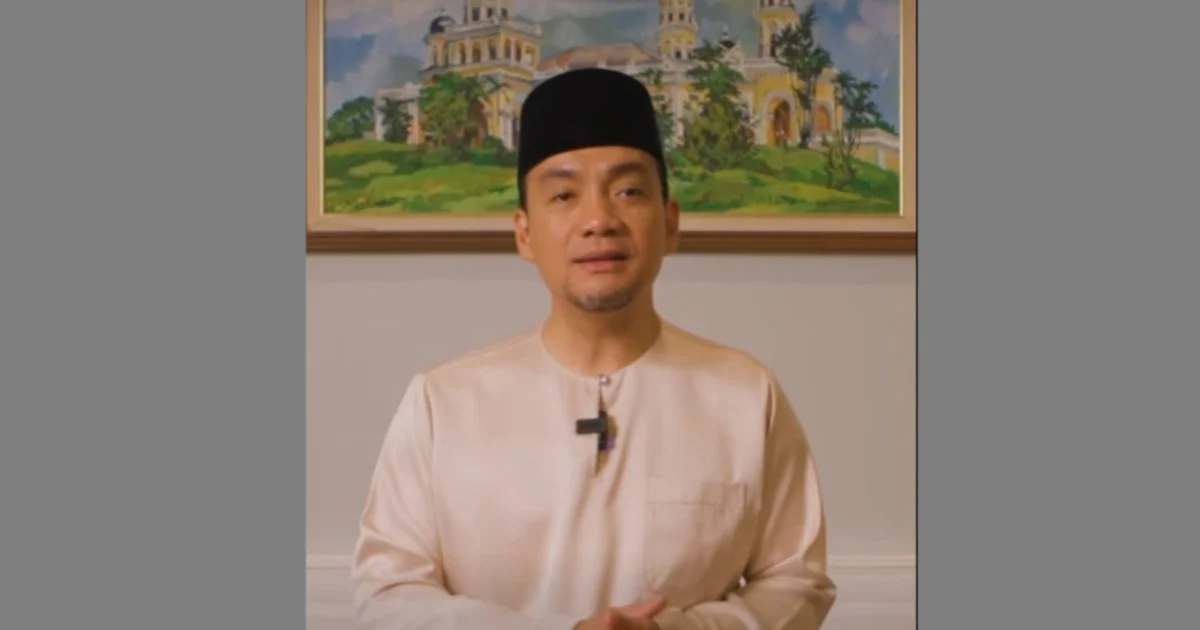
Johor's caretaker menteri besar Datuk Onn Hafiz Ghazi is intensifying efforts to secure backing from military and police personnel ahead of the state's early ballot, signalling BN's recognition of the importance of security forces as a concentrated voting bloc in determining electoral outcomes. The outreach reflects broader campaign strategies emerging across Malaysia's current election season, where candidates are strategically targeting occupational groups with distinct institutional interests and voting patterns.
The appeal to armed forces and law enforcement represents a calculated approach by Onn Hafiz to consolidate support among voters whose employment directly links them to government stability and security sector priorities. Security forces personnel have historically formed a reliable voting constituency, with high participation rates and institutional allegiances that can translate into predictable electoral support. By addressing this demographic directly, the caretaker menteri besar is attempting to lock in votes during the early polling window, when voter mobilisation may be more manageable than during regular voting days.
The timing of this outreach carries significance within Johor's political context. Early voting on July 7 allows security personnel—who face operational constraints on regular polling days—to cast ballots without disrupting their duties. This accommodation has become increasingly important as electoral authorities seek to maximise participation while maintaining essential security operations. BN's specific cultivation of this voting segment suggests internal calculations about the coalition's electoral prospects in the state.
Onn Hafiz's tenure as caretaker menteri besar positions him distinctly in Johor's political landscape. His administration operates in a transitional period following the dissolution of the previous state assembly, during which he continues to manage state affairs while campaigning for a fresh mandate. This dual role creates both advantages and constraints: he commands the machinery and visibility of incumbency while facing scrutiny over his performance during a transitional period when some routine governance matters may have been deferred or deprioritised.
The explicit focus on retaining BN's mandate in Johor reflects the coalition's ongoing efforts to maintain dominance in a state considered strategically important to national politics. Johor's electoral performance influences broader narratives about BN's strength and viability at the national level. A successful outcome in the state would strengthen the coalition's negotiating position in national politics, while any erosion of support could signal vulnerability across other constituencies.
Security forces voting patterns deserve particular attention because this constituency often votes as a cohesive block, influenced by institutional directives and professional considerations. Unlike other voter segments driven by diverse economic interests and social concerns, security personnel may be swayed by messages emphasising stability, order, and institutional continuity—core themes in BN's messaging. By addressing them separately and early, the campaign seeks to establish a foundation of support that can then be referenced when appealing to broader audiences.
The context of early voting procedures also illuminates electoral administration priorities in Malaysia. Rather than treating security forces as a special case requiring ad-hoc arrangements, the formal establishment of early voting windows recognises that maintaining full staffing capacity in essential services requires enabling participation mechanisms. This administrative sophistication reflects maturing electoral practices, though questions persist about whether all occupational groups—such as healthcare workers and emergency responders—receive equivalent consideration.
Onn Hafiz's campaign messaging emphasises continuity and performance, asking voters to reaffirm confidence in BN's governance of Johor. This framing appeals particularly to security personnel, whose institutional interests often align with maintaining established governmental structures and administrative predictability. The contrast with opposition parties, who typically emphasise change and renewal, creates a clear choice for voters weighing competing visions of state governance.
The broader election landscape across Malaysia has seen intensified competition for security forces votes, with multiple parties recognising this constituency's electoral value and accessibility through direct engagement. Johor's early voting arrangement demonstrates how administrative frameworks can be leveraged for strategic campaign advantage, though such arrangements should ideally be applied consistently across election cycles to avoid perceptions of manipulation.
Regional implications of Johor's election extend beyond the state itself. Johor's proximity to Singapore and its role as a commercial and logistical hub make its governance quality a matter of interest to Malaysian businesses and investors monitoring political stability. A strong BN performance reassures stakeholders about continuity in economic policy and infrastructure development, while electoral volatility might signal underlying governance concerns requiring investor reassessment.
Onn Hafiz's appeal to security forces represents conventional political strategy executed within Malaysia's established electoral framework. By mobilising early voting procedures and targeting constituencies with clear institutional stakes in BN's continued governance, the campaign demonstrates understanding of contemporary Malaysian electoral dynamics. Whether this approach proves sufficient to secure the desired mandate will depend on broader currents affecting voter sentiment across Johor's diverse communities and whether opposition parties mount competitive alternatives addressing security personnel's concerns and aspirations.
The security forces dimension of Johor's election ultimately reflects larger questions about how Malaysian political parties mobilise support in an increasingly sophisticated electoral environment. Institutional targeting, demographic segmentation, and procedural innovation—demonstrated through early voting arrangements—indicate that modern Malaysian campaigns operate well beyond traditional rallies and media buys. The result of Onn Hafiz's efforts to consolidate security forces support will offer insights into the effectiveness of such targeted strategies in contemporary Malaysian politics.

