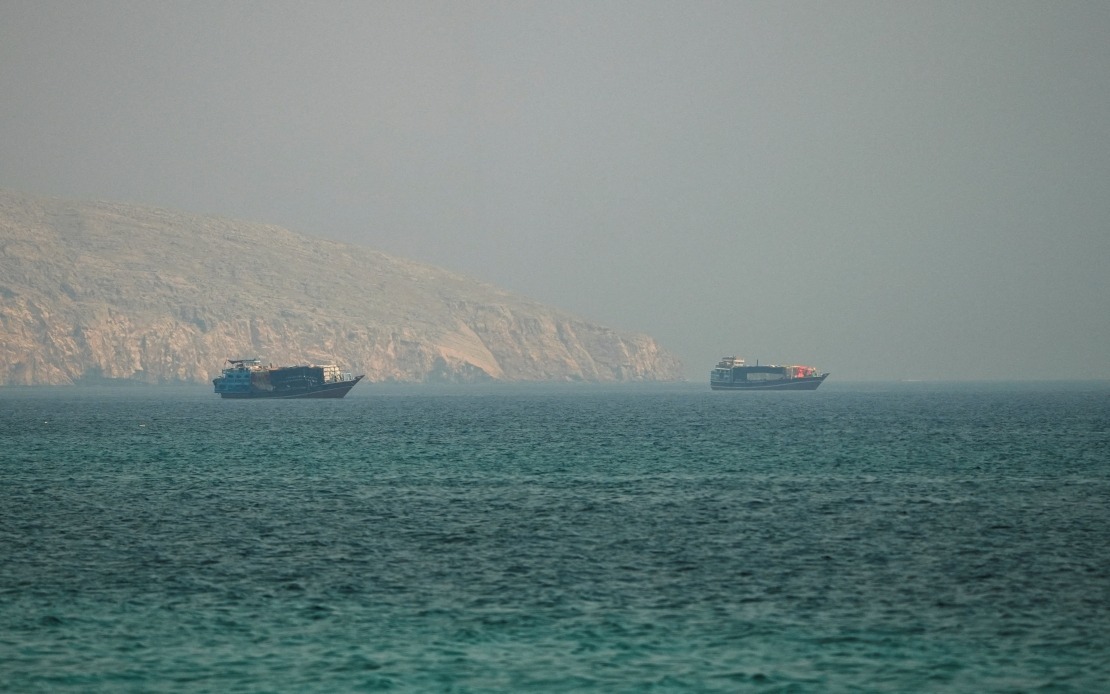
Oman has firmly rejected the imposition of mandatory transit fees on vessels traversing the strategically critical Strait of Hormuz, instead backing a voluntary contribution framework centred on navigational assistance services. This position was articulated by an Omani delegate during the 137th session of the International Maritime Organisation Council in London, underscoring the sultanate's commitment to maintaining unimpeded passage rights under customary international maritime law. The intervention reflects mounting concerns over toll systems that could disrupt one of the world's most crucial shipping channels, through which roughly one-third of global seaborne oil passes daily.
According to reports from Western sources cited in international media, Oman has recently circulated a proposal to the United States and allied nations outlining a different approach to cost recovery in the waterway. Rather than implementing across-the-board transit tariffs applicable to all passing vessels, the framework would invite shipping companies to voluntarily contribute towards the provision of navigational support infrastructure and maritime safety services. This distinction between mandatory and voluntary arrangements addresses concerns that compulsory fees could constitute a breach of international law governing freedom of navigation and transit passage.
The Omani proposal draws substantive inspiration from existing voluntary contribution models successfully deployed in Southeast Asian waters, particularly the Strait of Malacca and Singapore. These arrangements have enabled coastal states to fund maritime safety initiatives, environmental protection measures, and navigational aids without formally restricting transit rights. The approach has gained acceptance among the international maritime industry because it preserves the principle of open passage while generating revenue for critical maintenance and security operations. For Malaysian policymakers and shipping interests, this reference to Malacca Strait precedents carries particular significance, as these mechanisms directly influence regional maritime governance frameworks and demonstrate viable alternatives to coercive toll systems.
The Omani delegate further emphasised that the sultanate remains steadfastly committed to upholding transit passage principles enshrined in the United Nations Convention on the Law of the Sea. This reaffirmation addresses persistent anxieties about potential restrictions on maritime commerce through the Strait of Hormuz, a waterway whose strategic importance extends far beyond the Middle East. For economies throughout Southeast Asia and beyond, including Malaysia, unobstructed access to this chokepoint remains essential to supply chain stability and energy security. Any tolling scheme that effectively restricts passage would have cascading effects across global trade networks.
The intervention occurred within the broader context of escalating diplomatic tensions surrounding transit arrangements in the Strait. The United Arab Emirates and multiple allied nations had submitted a formal proposal condemning alleged toll systems purportedly levied by Iran on transiting vessels. These allegations have triggered international concern that attempts to generate revenue through transit restrictions could establish a destabilising precedent affecting other critical waterways. The convergence of competing proposals at the IMO Council signals the high stakes involved in determining how maritime passage rights and coastal state interests are balanced in strategically vital corridors.
In response to the Emirati initiative, Iran submitted its own proposal asserting that it has maintained consultations with Oman regarding management arrangements and coordination protocols for administering the waterway in compliance with international law and applicable national regulations. Iran's statement suggests ongoing negotiations with regional stakeholders aimed at achieving consensus-based solutions rather than unilateral impositions. This diplomatic positioning indicates that Oman occupies a crucial mediating role between competing geopolitical interests, leveraging its proximity and relationships to broker arrangements acceptable to multiple parties.
Oman's diplomatic approach reflects the sultanate's broader regional positioning as a pragmatic broker capable of navigating tensions between Iran and Western-aligned Gulf states. By proposing a framework that preserves legal principles while addressing legitimate concerns about maritime infrastructure funding, Oman has articulated a middle ground potentially acceptable to diverse stakeholders. The voluntary mechanism respects Iran's sovereign interests while addressing Western concerns that mandatory fees would constitute an illegitimate restriction on commerce. This balance-seeking approach mirrors Oman's historical role as a non-aligned mediator in regional disputes.
For Southeast Asian nations including Malaysia, the Hormuz dispute carries implications extending beyond the Middle East. As a major maritime trading nation with significant involvement in Strait of Malacca governance, Malaysia has vested interests in establishing precedents that prevent toll systems from proliferating across critical waterways. The voluntary contribution model that Oman proposes and that functions in Southeast Asian straits offers a template that protects freedom of navigation while enabling coastal state revenue generation. The Malaysian experience demonstrates that shipping companies generally accept voluntary contributions as fair and reasonable when applied to genuine safety and environmental services.
The IMO Council session from July 6 to 10 provided the venue for these competing positions to be articulated and debated among maritime nations. The council's deliberations carry weight globally because the IMO represents the United Nations specialised agency responsible for maritime safety and environmental standards. Decisions emerging from its sessions influence how international maritime law is interpreted and implemented, making the forum consequential for any nation reliant on ocean commerce. The presence of multiple proposals addressing Strait of Hormuz transit arrangements suggests that the maritime community recognises the necessity of establishing clarity and internationally accepted guidelines governing the waterway's administration.
Oman's commitment to working collaboratively with the IMO, member states, and international partners extends beyond the Hormuz question to encompass the broader objective of maintaining secure and accessible sea lanes supporting global trade and maritime commerce. By emphasising resilience and sustainability of international maritime supply chains, the Omani representative connected the Strait of Hormuz issue to wider concerns about maritime infrastructure, climate adaptation, and economic development. This framing suggests that contemporary maritime governance must address multiple simultaneous challenges—security threats, environmental protection, equitable cost distribution, and commercial continuity—rather than treating toll systems in isolation.
The divergence between mandatory and voluntary frameworks illuminates fundamental questions about how coastal states can exercise legitimate governance authority while respecting international law principles protecting freedom of navigation. Oman's position acknowledges that some form of mechanism for funding maritime services appears necessary and appropriate, but insists that achieving this objective through voluntary rather than compulsory arrangements preserves legal integrity. This philosophical stance has ramifications extending across multiple strategic waterways where similar tensions between coastal state interests and international navigation rights periodically surface. The precedent established regarding Hormuz transit arrangements could influence how comparable disputes are resolved elsewhere, making Oman's diplomatic proposal consequential for maritime governance frameworks regionally and globally.

