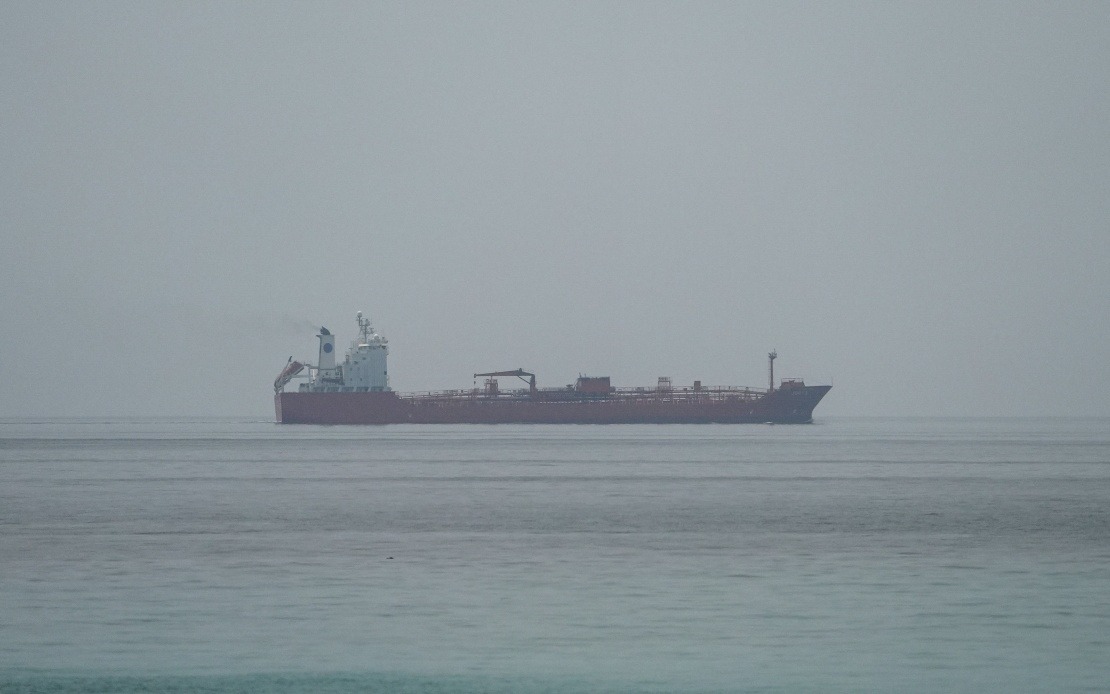
Oman has emerged as a vocal supporter of the landmark understanding between the United States and Iran, using a regional platform to underscore the critical importance of maintaining unfettered access through the Strait of Hormuz. Speaking at a joint ministerial gathering between the Gulf Cooperation Council and Washington in Bahrain, Omani Foreign Minister Badr Albusaidi made clear that his nation would guarantee free transit through the strategically vital waterway, rejecting any scenario in which coastal states might impose fees or tolls on passing vessels.
The Sultanate's position carries particular weight given its geographic position along the Strait of Hormuz, one of the world's most economically significant maritime corridors through which roughly one-fifth of global petroleum trade passes annually. By anchoring itself firmly to the principle of unrestricted passage, Oman has positioned itself as a stabilising voice at a moment when regional anxiety remains elevated following months of direct military confrontation between American and Iranian forces across the Middle East.
Oman's backing for the 14-point memorandum of understanding, which entered force on June 18 following electronic signatures by Iranian President Masoud Pezeshkian and US President Donald Trump, represents a carefully calibrated diplomatic statement. The agreement, brokered through Pakistan's mediation efforts, encompasses a comprehensive framework addressing hostilities across multiple theatres, including Lebanon, whilst simultaneously addressing maritime security concerns that have long troubled international shipping and energy markets.
The commitment to fee-free transit reflects deeper regional anxieties about economic disruption. For Southeast Asian nations, particularly those heavily reliant on crude oil imports from the Gulf, any interruption or taxation of Hormuz traffic would reverberate through supply chains and energy costs. Malaysia, which sources significant petroleum supplies from the region, has an implicit stake in Oman's reassurance that the waterway will remain accessible without additional commercial burdens on shipping operators.
Albusaidi's remarks situated Oman's role within the broader framework of international maritime law, explicitly referencing both the UN Convention on the Law of the Sea and the importance of upholding established norms governing freedom of navigation. This legalistic grounding suggests that Oman intends to bind future arrangements to internationally recognised principles rather than allowing them to depend solely on bilateral goodwill or the political winds of the moment.
The GCC-US ministerial meeting itself reflects an ongoing pattern of consultation between the Gulf monarchies and Washington regarding regional security architecture. These regular coordination sessions have intensified as West Asian dynamics have grown more volatile, with American officials keen to reassure Gulf allies of continued commitment whilst simultaneously pursuing diplomatic off-ramps with Iran through multiple channels. The presence of this discussion at such a high-level forum indicates that maritime security and the Hormuz passage remain central preoccupations for both Washington and its regional partners.
Context matters considerably here. The agreement between Tehran and Washington came after a dramatically escalatory February that saw direct military strikes, Israeli operations, and Iranian retaliatory attacks targeting facilities across the region. The rapid deterioration and subsequent negotiated settlement underscored how quickly miscalculation could spiral into wider conflict, making Oman's explicit reaffirmation of commitment to free passage not merely a statement of principle but a practical attempt to lock in de-escalation.
For Malaysia and other Southeast Asian economies, Oman's guarantee carries immediate practical implications. Supply disruptions in the Strait of Hormuz have historically triggered commodity price volatility and forced shipping operators to seek alternative routes at significantly higher cost. The memorandum's success in reducing tensions therefore directly affects regional prosperity, making countries along ASEAN's eastern seaboard indirect stakeholders in the Iran-US arrangement's durability and implementation.
The lifting of the US naval blockade on Iran, one of the agreement's core provisions, represents a concrete shift in American posture. Combined with reopening the Strait of Hormuz to normal traffic patterns, this component should theoretically reduce friction points that previously threatened to flare into unintended escalation. Oman's willingness to publicly commit to fee-free transit may serve as tacit acknowledgment that Iran has accepted constraints on its ability to leverage control of the waterway for economic or political advantage.
Yet Oman's role extends beyond mere affirmation of existing agreements. As a country with historical experience mediating between Iran and other regional powers, Muscat occupies a unique diplomatic niche. Its reputation for relative neutrality and pragmatism makes its public endorsement of the memorandum potentially influential in shaping how other regional actors perceive the settlement's legitimacy and durability.
The sustainability of any regional arrangement ultimately depends on enforcement mechanisms and the political will of all parties to resist pressure from domestic constituencies opposed to conciliation. Oman's explicit pledge on transit fees may therefore represent an attempt to establish clear benchmarks against which the agreement's success or failure can be measured. If fees do not materialise and the Strait remains open, confidence in the settlement may grow among skeptical observers.

