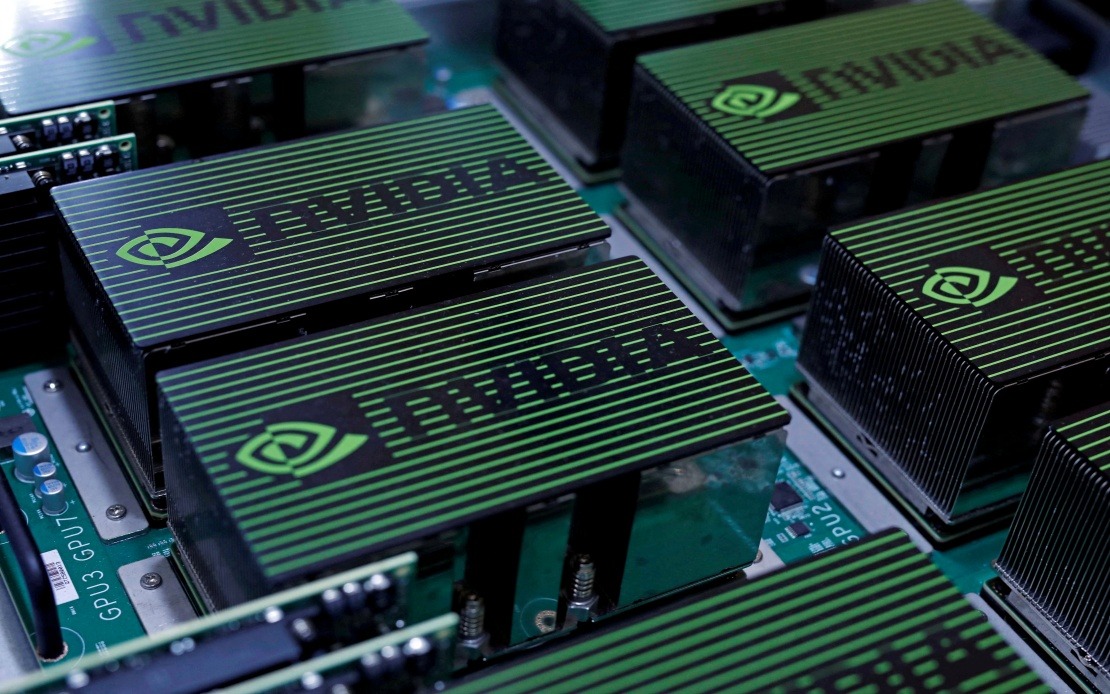
Nvidia, the American technology giant that dominates global AI chip manufacturing, has dramatically reduced the roster of Asian companies permitted to purchase its cutting-edge artificial intelligence processors. The semiconductor firm has more than halved its approved customer base across the region following implementation of stricter United States export control measures designed to prevent advanced technology from reaching restricted destinations. The move signals an intensifying effort by Washington to seal loopholes through which sophisticated computing hardware has reportedly flowed to China despite longstanding sanctions.
The tightening of restrictions has been particularly pronounced across three key markets that serve as major hubs for AI development and deployment in Asia. Singapore, Malaysia, and Japan have all experienced enhanced customer verification procedures over recent months, according to reports from July 15. The heightened scrutiny reflects growing American concern about the transshipment of restricted semiconductors through ostensibly independent commercial channels in third countries. By implementing more rigorous vetting at the point of sale, Nvidia appears to be responding to pressure from US regulators who view the current system as inadequate for preventing unauthorised technology transfer.
The impact on the regional technology sector extends well beyond simple numerical reduction in approved buyers. More than half of companies previously authorised to purchase from Nvidia's Asian distribution network have been removed from the updated customer list, fundamentally reshaping commercial relationships that many businesses had come to depend upon. However, the exclusion is not necessarily permanent. Nvidia has indicated that affected companies retain the ability to address compliance concerns and submit reapplication requests, suggesting the company is attempting to balance regulatory compliance with maintaining market access and customer relationships in strategically important regions.
Among the most affected business category are the so-called neocloud providers, a growing segment of specialised cloud computing platforms that have emerged across Asia to serve the burgeoning demand for AI training and deployment services. These companies operate as intermediaries between chip manufacturers and end-users, offering infrastructure and services specifically optimised for artificial intelligence workloads. Their prominence in Nvidia's customer base reflects the broader acceleration of AI adoption across Southeast Asia and the wider region, where businesses and governments are investing heavily in building computational capacity for machine learning applications. The disruption to neocloud operators could have ripple effects throughout Asia's developing AI ecosystem.
The Malaysian market specifically faces considerable implications from this recalibration of Nvidia's distribution strategy. As a significant player in Southeast Asian technology and a hub for regional cloud services, Malaysia has attracted various companies operating in the AI infrastructure space. The enhanced screening requirements and customer list reductions will likely affect Malaysian firms seeking to scale their AI operations or provide services to multinational clients. For companies that have built business models around rapid procurement and deployment of cutting-edge GPU clusters, the uncertainty surrounding approval status creates operational challenges and may force reconsideration of expansion plans.
The underlying motivation for these restrictions remains Washington's longstanding concern about advanced semiconductor technology reaching China, particularly through indirect channels that circumvent direct export bans. The US government has implemented increasingly sophisticated controls on AI chip exports, recognising that artificial intelligence capability has become strategically vital to national competitiveness and military applications. By restricting sales through regional intermediaries rather than only to final users, American policymakers aim to create multiple checkpoints where transactions can be scrutinised for potential sanctions evasion. This represents a shift from attempting to control chips at the manufacturing source to monitoring distribution networks throughout Asia.
Nvidia's cooperation with these enhanced screening procedures demonstrates the company's acceptance that compliance with US export controls, however commercially inconvenient, has become essential to maintaining its position as the world's leading AI chip supplier. The company faces significant pressure from regulators and political figures in Washington who view semiconductor export policy as crucial to maintaining American technological advantages. By voluntarily implementing stringent customer vetting, Nvidia hopes to demonstrate responsible corporate citizenship and avoid more draconian restrictions that could eliminate its access to Asian markets entirely. This calculus represents a broader trend among American technology companies adapting to a more restrictive regulatory environment.
The practical consequences for legitimate businesses in the region are substantial and multifaceted. Companies seeking to purchase Nvidia chips must now navigate more complex approval processes, provide extensive documentation about intended use, and potentially wait longer for transactions to be completed. This creates friction in supply chains that depend on relatively rapid procurement and deployment cycles. For startups and smaller technology firms in Southeast Asia, the increased barriers may prove particularly burdensome, as they typically lack the compliance infrastructure and regulatory expertise of larger multinational corporations. The tighter controls could inadvertently strengthen the position of larger, more established players while disadvantaging nimble innovators attempting to compete in emerging AI markets.
The regional implications extend beyond immediate commercial considerations to questions of technological sovereignty and strategic autonomy for Southeast Asian nations. Countries like Malaysia, Singapore, and others are attempting to develop indigenous AI capabilities and reduce dependence on foreign technology providers, yet US export controls necessarily constrain their access to the most advanced computing components. Policymakers must balance the desire for technological self-sufficiency against the reality of being located in a geopolitical environment where major technology suppliers implement restrictions based on superpower competition. This tension has prompted some governments and companies to explore alternative suppliers and develop domestic semiconductor initiatives, though progress remains gradual.
Looking forward, companies operating in affected markets should expect that the regulatory environment surrounding advanced chip procurement will continue to evolve and potentially become more stringent. The pattern of US export control expansion across successive administrations suggests that restrictions on AI semiconductors may deepen rather than relax. For businesses in Malaysia and throughout Southeast Asia, developing robust compliance capabilities, diversifying supplier relationships where possible, and maintaining transparent operations have become essential elements of technology strategy. Companies should also engage with their respective governments to better understand how national policy might evolve and whether regional economic organisations might negotiate collective approaches to these trade restrictions.

