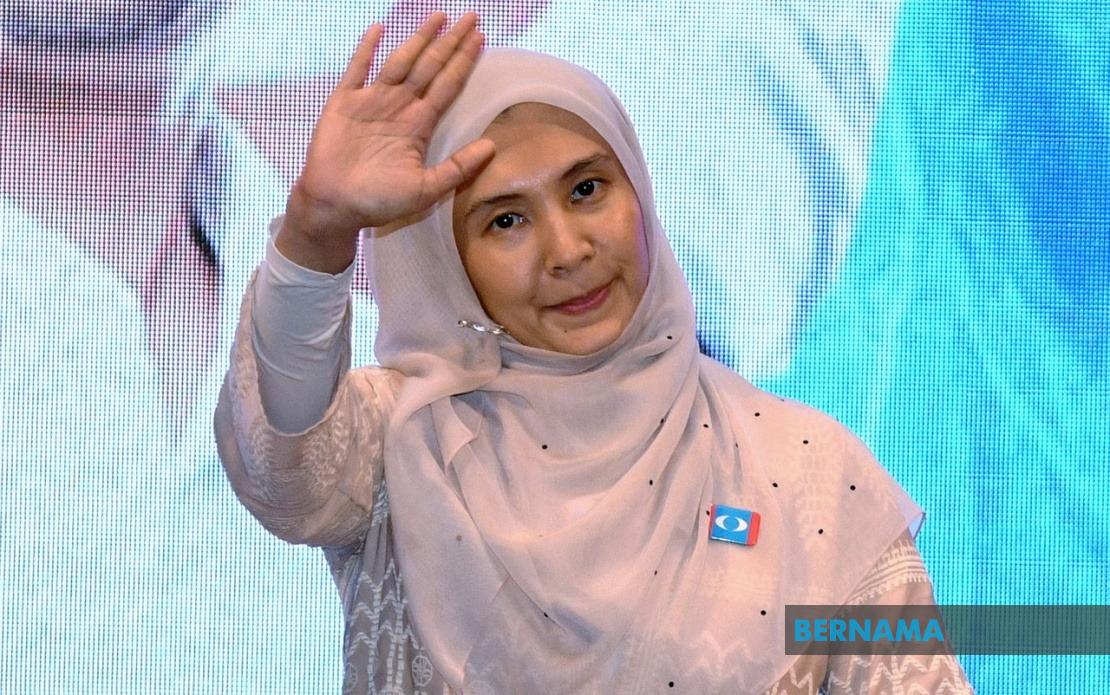
Nurul Izzah Anwar, the daughter of Prime Minister Anwar Ibrahim, has decided to step down from her position as PKR deputy president to dedicate herself to furthering her education and engaging in community work that extends beyond the political arena. The decision, announced through a Facebook post, represents a significant shift in her role within the party after careful deliberation about her priorities and personal development goals.
In her statement, Nurul Izzah emphasised that her departure from the deputy president role does not signal a withdrawal from the party itself. She reaffirmed her commitment to PKR, commonly known as KEADILAN, and pledged to continue supporting the party's broader mission under her father's leadership to advance Malaysia's development. This distinction between stepping back from an executive position and maintaining party membership is an important one, particularly given her family's prominence within PKR's leadership structure and the potential for confusion about her future involvement.
The timing of her decision carries additional significance as it comes ahead of the PKR National Congress scheduled for August 15 and 16 in Melaka, where party members will gather to discuss strategic matters and organisational direction. Nurul Izzah expressed her intention to attend this gathering, suggesting that while she is relinquishing formal leadership duties, she remains engaged with the party's grassroots and broader membership base.
Saifuddin Nasution Ismail, currently serving as PKR vice-president, has been appointed to assume the role of acting deputy president following approval from the party's Central Leadership Council. Nurul Izzah expressed confidence in his ability to manage the responsibilities that accompany this position, characterising him as someone capable of exercising the wisdom and diligence necessary for the role. Her public endorsement of Saifuddin suggests a coordinated and amicable transition rather than any internal discord within the party leadership.
Alongside this transition, Amirudin Shari has been designated as PKR's election director, a position carrying considerable weight given Malaysia's fluid political landscape and the importance of electoral strategy to the party's fortunes. These simultaneous leadership adjustments indicate a broader reorganisation within PKR's upper echelons, reflecting the party's attempt to balance various responsibilities among its senior figures.
Nurul Izzah's decision to pursue further studies aligns with a broader trend among younger political figures in Southeast Asia who seek to combine academic advancement with political engagement. Her choice to continue serving the community through channels not necessarily tied to formal political structures reflects evolving perspectives on civic participation and the recognition that influence and impact need not be confined to party positions.
From a Malaysian political perspective, Nurul Izzah's stepping back from the deputy president role raises questions about succession planning within PKR and the party's approach to developing its next generation of leaders. As the Prime Minister's daughter, she has occupied a position of considerable visibility and symbolic importance. Her decision to prioritise personal and educational development over maintaining high-profile party office sends a message about the separation between family influence and institutional responsibility, a distinction that matters in Malaysian political discourse.
The arrangement whereby Nurul Izzah takes temporary leave rather than permanent resignation provides flexibility for future adjustments to her role. PKR information chief Datuk Seri Fahmi Fadzil clarified that the leave is effective after the party congress and continues until further notice, creating space for circumstances to evolve without requiring formal reappointment processes. This approach allows the party to maintain organisational stability while accommodating her personal aspirations.
Nurul Izzah's gratitude towards party leadership, particularly her father and the broader party hierarchy, underscores the consensual nature of this transition. In Malaysian political culture, where hierarchical respect and formal acknowledgement of party leadership carry weight, her public thanks to those who respected her decision demonstrates the collaborative spirit in which this change was orchestrated. Such gestures matter in maintaining party cohesion and preventing the kind of factional tensions that occasionally surface in Malaysian political organisations.
The implications of this transition extend beyond PKR's internal dynamics. As Malaysia navigates complex questions about political stability, coalition management, and the balance between seasoned and emerging leaders, developments within the ruling coalition parties attract broader attention. Nurul Izzah's move to deprioritise high-level political positions while remaining party-connected reflects one approach to managing political involvement alongside other life pursuits, a model that may resonate with younger Malaysians contemplating their own engagement with politics and public service.
For the region more broadly, this development illustrates how Southeast Asian political families navigate succession, institutional development, and the integration of family relationships with formal party structures. The Malaysian experience, with its hereditary political traditions and family-based political networks, offers insights into how contemporary leaders balance these dynamics with modern expectations of meritocracy and institutional independence.

