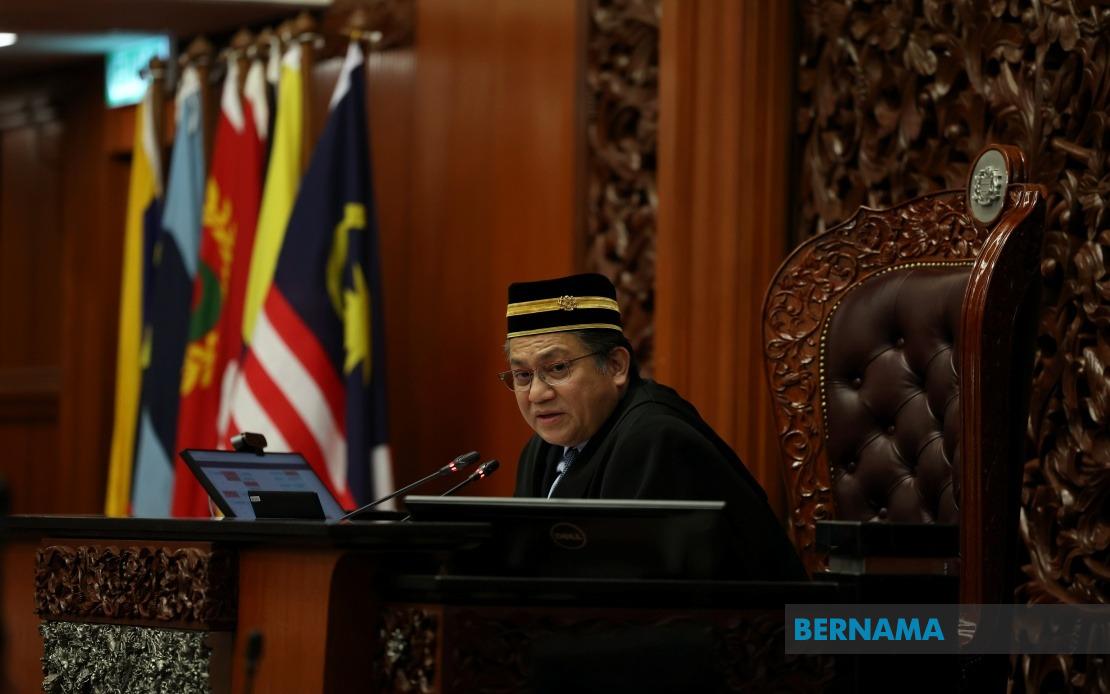
Senator Datuk Nur Jazlan Mohamed has been reappointed to serve as Deputy Speaker of the Dewan Negara for a second consecutive term, cementing his continued influence within Malaysia's upper legislative chamber. The appointment, formally confirmed on July 20, came after Higher Education Minister Datuk Seri Zambry Abd Kadir presented the sole nomination on behalf of Prime Minister Datuk Seri Anwar Ibrahim during the day's parliamentary proceedings.
Nur Jazlan's reappointment by His Majesty the Yang di-Pertuan Agong will extend his tenure for an additional three years, running from June 15 2026 through June 14 2029. This succession ensures continuity in the Senate's leadership structure and reflects the confidence placed in his stewardship of parliamentary operations. The 60-year-old veteran legislator has already demonstrated his effectiveness in the role since his initial appointment in June 2023, establishing himself as a familiar and respected figure within the legislative framework.
The senator's profile extends well beyond his current parliamentary position. As a prominent member of UMNO's Supreme Council and chief of the Pulai Division party branch, Nur Jazlan commands considerable organisational influence within Malaysia's largest political party. His political career spans nearly two decades at the federal level, having represented the Pulai constituency as a Member of Parliament from 2004 until 2018. Beyond his legislative work, he previously served as Deputy Home Minister during the 2015 to 2018 period, giving him substantive experience in security and governance matters.
On the same day, fellow senator Mussodak Ahmad underwent a parallel reappointment process, securing his second term representing the Kedah State Legislative Assembly. Mussodak's appointment extends for three years from March 20 2026 to March 19 2029, positioning him alongside Nur Jazlan for another full parliamentary cycle. Both senators were sworn in before the Speaker of Dewan Negara Datuk Awang Bemee Awang Ali Basah following the formal appointment announcements.
Mussodak brings his own political credentials to the upper chamber. Connected to PAS in Kedah, he has been active in state-level politics, having contested seats for both Bayu and Guar Chempedak during electoral cycles. His initial appointment as a senator representing the Kedah assembly occurred in March 2023, making his reappointment a relatively swift confirmation of continued suitability for the role. The paired reappointments of both senators underscore the stability being maintained within the Dewan Negara's composition as the institution prepares for subsequent parliamentary terms.
The timing of these appointments aligns with scheduled parliamentary activity. The Senate's Second Meeting under the Fifth Term of the 15th Parliament commenced on July 20 and was scheduled to continue for ten sitting days through August 4. This extended session provides an opportunity for the upper chamber to advance its legislative agenda, debate policy matters, and conduct oversight functions with its newly confirmed leadership in place. The continuity in Deputy Speaker leadership should facilitate smoother proceedings throughout this extended sitting period.
Nur Jazlan's reappointment holds particular significance for parliamentary observers tracking Malaysia's institutional governance. The Deputy Speaker role, while less prominent than the Speaker position, carries genuine responsibility for managing parliamentary debates, ruling on procedural matters, and ensuring orderly conduct of Senate business. His reselection suggests that the government coalition views his management of these duties as satisfactory and consistent with the administration's legislative priorities. The role also positions him as a key bridge between the executive and legislative branches during his tenure.
The appointment process itself reflects established constitutional procedures governing Malaysia's Senate composition. Unlike the lower house, the Dewan Negara comprises senators appointed through various mechanisms, including nomination by the King, state assemblies, and specified organisations. This mixed appointment system creates a distinct chamber character compared to the elected Dewan Rakyat, designed to provide experienced voices and regional representation within the legislative structure. Nur Jazlan's appointment through royal nomination, reflecting his seniority and demonstrated capability, exemplifies this appointment philosophy.
For Malaysian political watchers, the reappointments signal continuity during a period when the nation's governing coalition continues consolidating its position. The smooth confirmation of both senators, without competing nominations, indicates broad acceptance of their suitability among coalition partners. In an era when Malaysian politics has experienced considerable flux, such institutional stability in parliamentary leadership carries practical value for the smooth functioning of legislative processes and the advancement of government business.
Looking ahead, Nur Jazlan's extended tenure through 2029 positions him to potentially shape significant parliamentary developments over the coming years. Depending on electoral timelines and political developments, his period as Deputy Speaker may encompass substantial legislative shifts, constitutional matters, and oversight responsibilities. His appointment thus represents not merely a ceremonial confirmation but a substantive commitment of leadership responsibility within Malaysia's upper house during a critical period of the country's political development.

