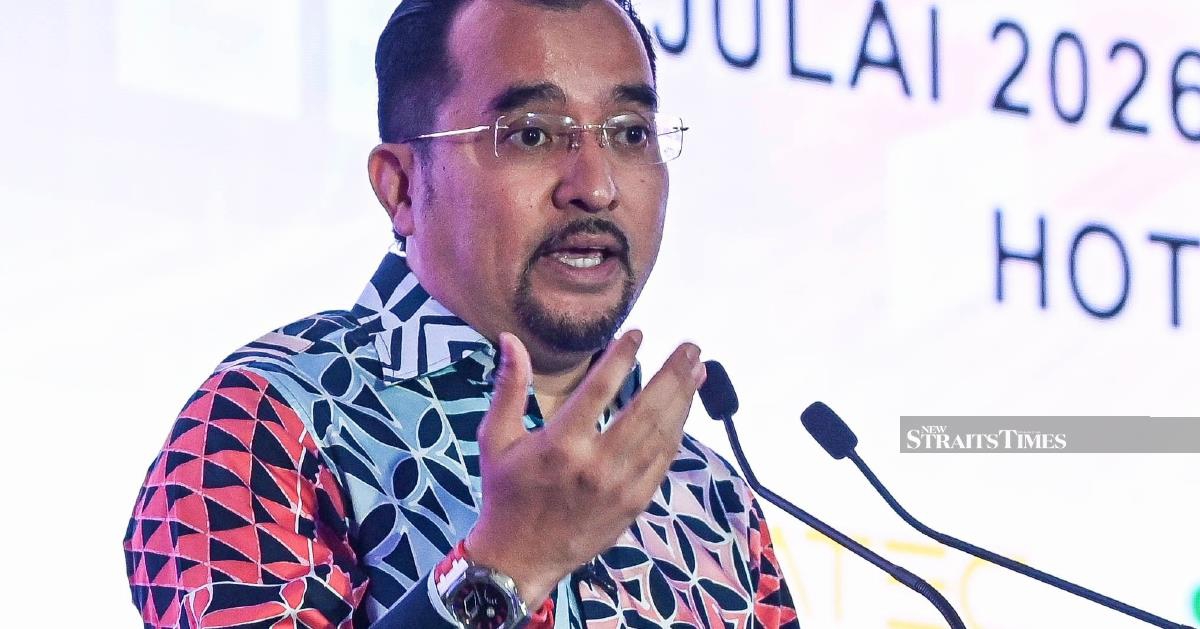
Umno secretary-general Datuk Dr Asyraf Wajdi Dusuki has reiterated that accountability must be absolute following the Royal Commission of Inquiry into Tabung Haji, with a firm stance that status or seniority should not shield individuals from consequences if the investigation establishes cases of misconduct, corruption or misuse of authority.
The call for uncompromising transparency underscores mounting pressure within Malaysia's political establishment to ensure the Tabung Haji inquiry delivers genuine accountability rather than becoming perceived as a cosmetic exercise. Tabung Haji, the government-linked hajj savings and pilgrimage fund, has faced intense scrutiny over financial losses and governance lapses in recent years, with public confidence shaken by successive revelations of operational shortcomings.
Ashyraf's stance reflects broader concerns within Umno regarding the institution's credibility and the party's own standing. As the party that traditionally oversees Tabung Haji's governance, Umno faces potential reputational damage if the RCI reveals systemic failures or personal misconduct by senior officials. By publicly demanding accountability beforehand, the party appears to position itself as demanding reform rather than complicit in any cover-up.
Tabung Haji has grappled with significant financial challenges, including investment losses that eroded accumulated savings for millions of Malaysian Muslim pilgrims. The fund's mandate—enabling Malaysians to undertake the hajj pilgrimage through structured savings—carries profound religious and social significance, making any institutional failure particularly damaging to public trust. The establishment of the RCI represented a significant acknowledgment that questions about Tabung Haji's operations required independent investigation.
The potential scope of wrongdoing investigations is substantial. Previous controversies have touched on asset management decisions, property holdings, investment strategies, and the appointment of senior personnel. Whether the RCI's findings implicate minor procedural breaches or fundamental governance failures remains to be seen, but the preliminary framing by senior figures like Asyraf suggests expectations of substantive revelations.
For Malaysian readers and the broader Southeast Asian region, the Tabung Haji inquiry carries implications beyond a single institution's difficulties. It tests whether Malaysia's investigative and accountability mechanisms can function effectively when examining institutions under political influence. The RCI's independence and the political establishment's willingness to act on its recommendations will signal the robustness of Malaysia's institutional safeguards.
Ashyraf's public commitment to accountability also contains a strategic dimension. By declaring in advance that no one should escape consequences, he arguably attempts to preempt accusations of favoritism should the inquiry conclude its work. This preemptive positioning suggests awareness that the RCI's credibility depends on demonstrable consequences for wrongdoing, rather than merely documenting problems that go unaddressed.
The timing of such statements matters considerably. As the RCI approaches its concluding phase, political figures are calibrating their public positions regarding expected findings. Asyraf's remarks suggest internal discussions about how Umno and the government will respond to the inquiry's conclusions, and whether they will prioritize institutional reputation or genuine reform.
Historically, Malaysian RCIs have produced mixed outcomes regarding implementation of recommendations. Some inquiries have led to substantive changes and accountability measures, while others have faced criticism for inadequate follow-through or selective application of findings. The Tabung Haji RCI's effectiveness will ultimately depend not merely on the comprehensiveness of its investigation but on whether political leaders translate their accountability rhetoric into concrete action.
For the millions of Malaysians with funds in Tabung Haji, the RCI represents both a vindication of their concerns and an opportunity for institutional reform. Many have endured significant investment losses while saving toward their religious obligation to perform hajj. An inquiry that identifies responsibility without producing meaningful consequences would likely deepen public disillusionment with governance and accountability in Malaysia.
International observers monitoring Malaysian governance will be watching how decisively the government acts on any RCI findings. Southeast Asia's developing economies are increasingly scrutinized by international investors regarding institutional integrity and rule of law. The handling of Tabung Haji's issues—and whether senior figures face consequences—sends signals about Malaysia's commitment to accountability standards.
Asyraf's statement must also be understood within the context of Malaysian politics, where competing interests within and between political coalitions create pressures around high-profile inquiries. His role as Umno secretary-general positions him as concerned with party interests while also needing to project concern for public welfare. The careful balance between these interests shapes his messaging around the RCI.
Ultimately, the test of Asyraf's declaration will come when the RCI report is released and findings of wrongdoing—should they exist—are made public. Whether the political establishment demonstrates commitment to holding individuals accountable, regardless of their positions or affiliations, will determine whether the inquiry represents genuine institutional renewal or merely ritual accountability theater. The coming weeks and months will prove clarifying.

