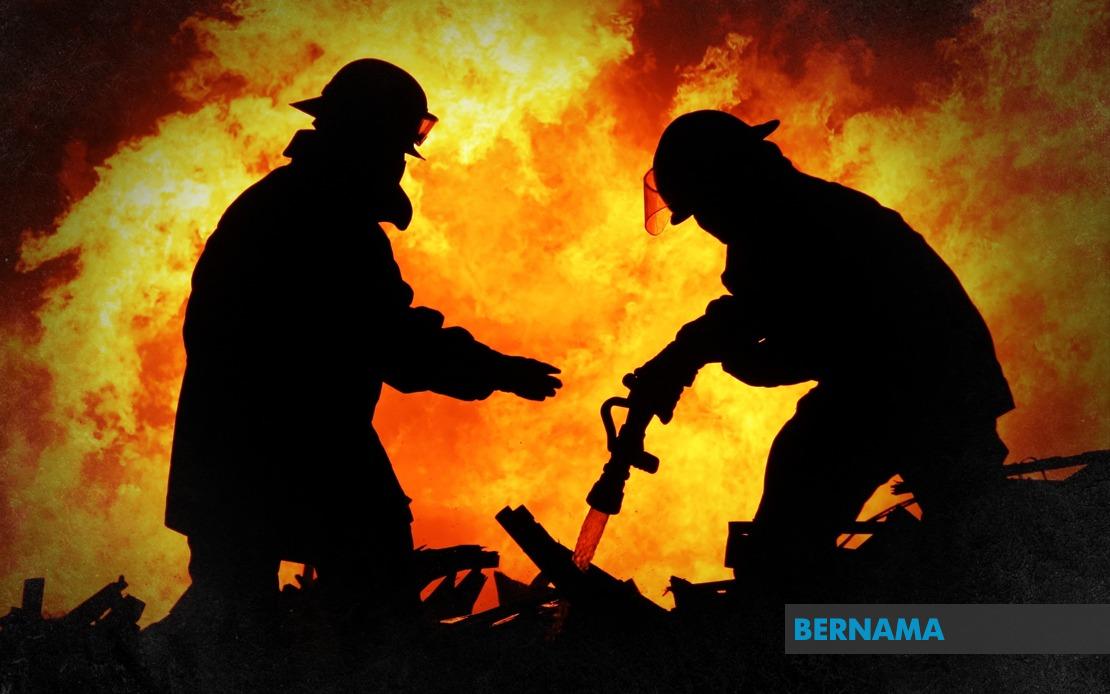
A devastating blast at an unlicensed firecracker factory in Gujarat's Ahmedabad district has claimed nine lives and left six others injured, highlighting persistent safety failures in India's pyrotechnic manufacturing sector. The explosion occurred at Talent Fireworks, situated in the Vastral industrial zone, on Saturday and has reignited concerns about regulatory oversight and workplace safety standards across the country's explosive manufacturing industry.
The facility where the incident occurred was operating without the requisite government licence, according to local media reports and police investigations. Authorities have arrested the factory owner as part of their inquiry into the circumstances that led to the catastrophic failure. The lack of proper licensing indicates a broader pattern of non-compliance with industrial regulations that continues to plague India's manufacturing sector, particularly in industries handling hazardous materials where oversight mechanisms remain inadequate despite repeated tragedies.
Prime Minister Narendra Modi responded swiftly to the disaster by announcing immediate financial relief for the bereaved families. Each family of the deceased will receive 200,000 rupees, approximately RM8,490, drawn from the Prime Minister's National Relief Fund. This represents a standard government response to industrial accidents, though critics argue such compensation, while necessary, comes too late and does nothing to prevent future incidents that result from systemic negligence and weak enforcement.
The Gujarat state government has committed to providing additional support through Chief Minister Bhupendra Patel, who announced that 400,000 rupees per family will be distributed from state coffers. This combined central and state assistance totals 600,000 rupees per family, yet compensation packages—however generous—remain a reactive measure addressing consequences rather than root causes of workplace disasters in India's unorganised manufacturing sector.
The incident underscores a distressing reality in India's fireworks industry: explosions and workplace accidents at manufacturing facilities occur with alarming regularity. The underlying factors remain consistent across incidents—inadequate licensing enforcement, substandard safety equipment, poor worker training, and minimal inspection regimes create a perfect storm for preventable tragedies. Many facilities, especially smaller operations in states like Gujarat, continue operating in grey zones where legal compliance becomes optional rather than mandatory.
For Malaysian observers and policymakers, this incident offers important lessons about the importance of rigorous industrial safety frameworks. While Malaysia's manufacturing sector benefits from generally stronger regulatory enforcement and workplace safety standards overseen by the Department of Occupational Safety and Health, incidents like the Gujarat explosion demonstrate how quickly standards erode when compliance becomes lax. The comparative strength of Malaysia's industrial safety regime, particularly in hazardous industries, reflects decades of investment in institutional capacity and enforcement mechanisms.
The firecracker manufacturing industry across South Asia represents a particularly vulnerable sector where labour protections, environmental standards, and safety protocols remain chronically underfunded and under-enforced. Workers in these facilities often lack basic protective equipment, receive minimal safety training, and have little awareness of their rights. Many are migrant or contract workers with limited bargaining power, making them especially vulnerable to dangerous working conditions that factory owners might otherwise face resistance against.
Investigations into the Talent Fireworks incident will likely reveal a familiar catalogue of failures: inadequate spacing between work stations, poor ventilation systems, absence of proper fire suppression equipment, and workers handling explosive materials with insufficient training or protection. These failures are not unique to this factory but represent systemic problems that pervade the industry across India, where competitive pressures and thin profit margins create incentives for operators to cut safety corners.
The arrest of the factory owner signals that authorities recognise the need for accountability, yet prosecutions alone cannot fundamentally transform safety culture in India's manufacturing sector. What remains required is sustained investment in regulatory capacity, regular inspections with meaningful penalties for violations, worker education initiatives, and technological upgrades to manufacturing processes that reduce explosion risks. Without such comprehensive approaches, similar tragedies will continue punctuating India's industrial landscape.
Regional governments across South Asia, including Malaysian authorities engaged in cross-border trade and investment, should view incidents like this as cautionary tales about supply chain risks. Companies sourcing from or manufacturing in neighbouring countries must ensure their suppliers and facilities meet stringent safety standards, not merely legal minimums. This represents both an ethical obligation and a practical business imperative, as industrial accidents create reputational and financial exposure for international partners.
The compensation announced by Modi's government and the Gujarat state administration, while materially significant for the affected families, masks deeper structural inadequacies in India's approach to industrial safety. Real progress requires moving beyond post-disaster relief to preventive measures: strengthening labour inspectorates, imposing escalating penalties for violations, improving worker access to safety training, and creating whistleblower protections that encourage workers to report hazards before they cause catastrophes.
For Malaysia's industrial sector and policymakers, this incident reinforces the value of maintaining vigilance about safety standards across all manufacturing operations. The comparative robustness of Malaysia's occupational safety framework, embodied in the Occupational Safety and Health Act 1994 and ongoing regulatory efforts, should not be taken as permanent achievement but rather as a foundation requiring continuous strengthening through updated codes, enhanced enforcement resources, and integration of emerging technologies for hazard detection and prevention.

