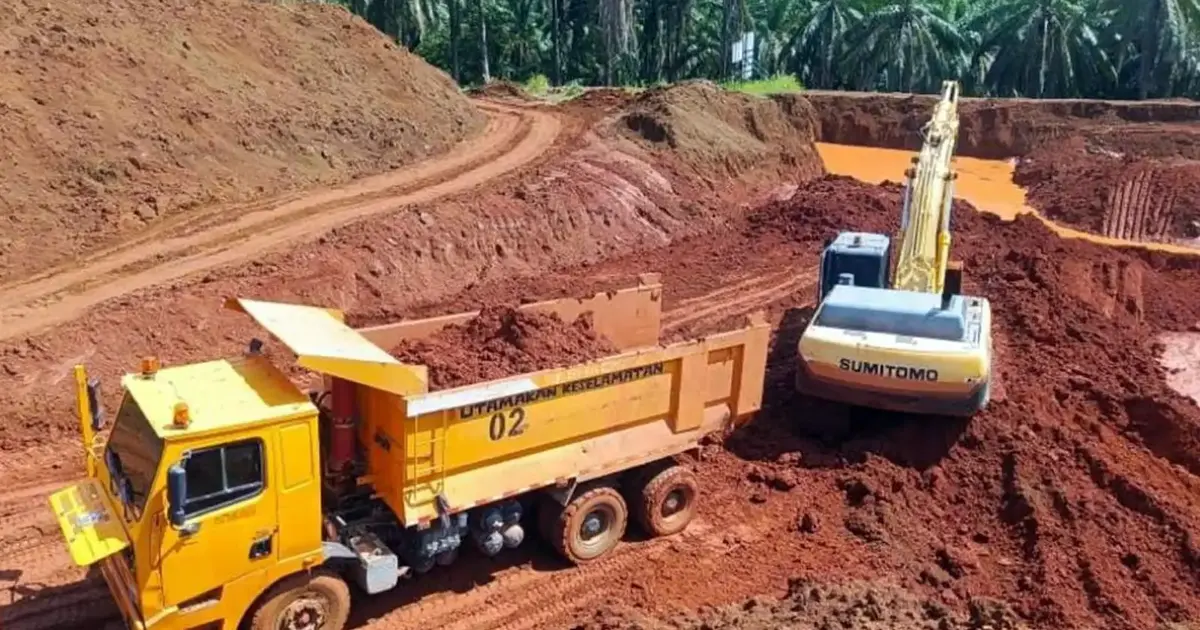
Nine individuals, a significant proportion of them foreign nationals, have been taken into custody following a coordinated enforcement operation targeting suspected illegal bauxite mining activities on a Felda plantation. The General Operations Force spearheaded the raid, which culminated in the apprehension of suspects believed to be orchestrating an unlicensed mining operation. The scale of assets and materials confiscated during the operation underscores the sophistication and financial reach of the suspected criminal enterprise, with authorities recovering assets valued at RM3.75 million alongside substantial quantities of mined bauxite.
The involvement of foreign nationals in the operation raises concerns about transnational criminal networks exploiting Malaysia's natural resources, a pattern that has become increasingly prevalent across Southeast Asia. Such operations often involve coordinated smuggling networks that leverage porous regional borders and weak enforcement capacity in certain jurisdictions. The Felda plantation setting is particularly significant, given that Felda schemes represent critical agricultural zones that should remain insulated from extractive industries. The incursion of illegal mining into these areas demonstrates how criminal syndicates deliberately target federal development schemes, potentially destabilising communities and infrastructure investments.
Bauxite, the primary ore from which aluminium is refined, has become a flashpoint for illegal mining across Malaysia and the wider region. The metal's global demand, driven by aerospace, automotive, and renewable energy sectors, creates powerful economic incentives for unlicensed extraction. Operators can sidestep environmental licensing requirements, labour safety protocols, and tax obligations by operating clandestinely, effectively undercutting legitimate mining companies. The price differential between legitimately mined and illegally extracted bauxite provides substantial profit margins that justify the operational risks these networks assume.
The environmental consequences of unregulated bauxite mining extend far beyond the immediate extraction sites. Lateral soil degradation, water contamination from processing residues, and habitat destruction occur rapidly when mining proceeds without environmental safeguards. In plantation contexts, such degradation directly threatens agricultural productivity and soil rehabilitation timelines that can span decades. The Felda communities situated near affected areas face health risks from dust exposure and water quality deterioration, impacts that recovery programmes struggle to fully remediate.
The RM3.75 million asset seizure provides crucial insight into the financial architecture underlying these operations. Beyond machinery and extracted material, authorities likely recovered vehicles, processing equipment, and financial instruments that facilitate the distribution chain. Understanding these asset flows helps authorities trace upstream financing sources and downstream distribution networks. International cooperation becomes essential when illicit proceeds cross borders, requiring coordination between Malaysian law enforcement and enforcement bodies in neighbouring jurisdictions where Malaysian bauxite may be processed or transshipped.
Felda's vulnerability to such incursions reflects broader challenges confronting federal agricultural schemes. The vast territorial scope of Felda plantations, combined with relatively dispersed resident populations and limited internal security infrastructure, creates operational gaps that criminal enterprises exploit. Strengthening surveillance capabilities, community-based reporting mechanisms, and inter-agency coordination between Felda management and enforcement authorities represents a strategic imperative. Early detection systems that identify unauthorised excavation or vehicular activity can significantly diminish operational windows for illegal miners.
The presence of foreign nationals within the suspect cohort indicates sophisticated recruitment or labour contracting mechanisms. International criminal networks often employ foreign workers with bauxite mining experience from countries with established extraction industries, leveraging their technical knowledge while maintaining operational compartmentalisation that complicates investigation and prosecution. This transnational dimension necessitates enhanced border scrutiny and labour immigration checks that specifically screen for individuals with mining sector backgrounds travelling to Malaysia.
Malaysia's regulatory framework governing bauxite extraction has evolved considerably following previous enforcement campaigns, yet implementation inconsistencies persist. Legitimate mining operators operate under increasingly stringent environmental and operational conditions, creating competitive disadvantages against unregulated rivals. Strengthening compliance verification for licensed operators whilst simultaneously intensifying crackdowns on illegal activities represents the dual approach required to restore market integrity. Regional coordination through ASEAN mechanisms could establish harmonised standards that prevent operators from simply relocating operations across borders when enforcement pressure intensifies in one jurisdiction.
The investigation trajectory beyond initial arrests remains critical for dismantling the broader network. Interrogation of detained suspects should focus on identifying financial facilitators, upstream suppliers of processing equipment, and downstream customers for illicitly mined bauxite. Tracing banking records and cryptocurrency transactions that finance such operations can reveal the full scope of involvement by individuals not directly engaged in extraction activities. Intelligence sharing with other Southeast Asian nations may reveal similar operations operating in parallel, suggesting coordinated regional networks rather than isolated incidents.
This enforcement action represents one component within Malaysia's broader efforts to combat resource trafficking and environmental crimes. However, sustainable progress requires complementary initiatives including legislative refinement, enhanced penalties that exceed operational profit margins, community engagement programmes that reduce local enabling conditions, and investment in technological monitoring systems capable of detecting unauthorised mining across vast plantation areas. Regional cooperation mechanisms must simultaneously strengthen, recognising that illegal bauxite mining constitutes a transnational problem requiring coordinated multinational responses.

