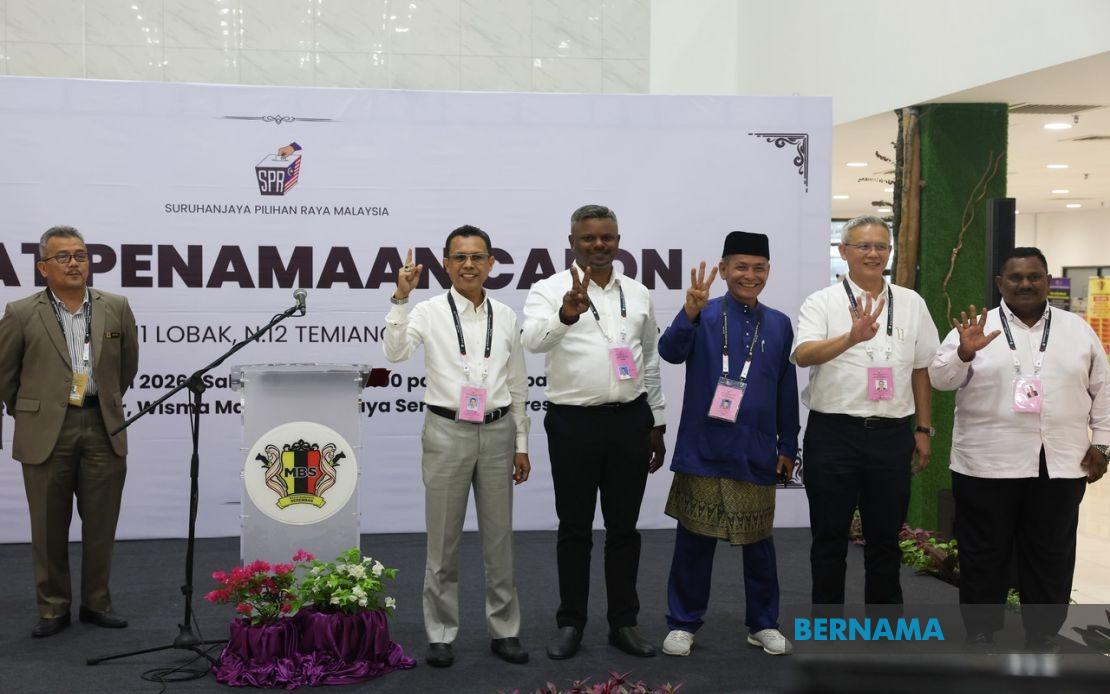
The Nilai state assembly seat is shaping into a highly contested battleground for incumbent J. Arul Kumar, the DAP's national vice chairman and current Nilai assemblyman, as Negeri Sembilan prepares for its 16th state election. Following the closure of nominations in Seremban on July 18, Arul Kumar now faces opposition from four rival candidates, transforming what might have been a routine incumbent's re-election into a genuine five-way scramble for the seat. The crowded field reflects broader political shifts across the state and the growing fragmentation within Malaysia's electoral landscape, where traditional two-party contests have increasingly given way to multi-polar competitions.
The five candidates contending for Nilai include Zamani Ibrahim representing Berjasa, Datuk Lai Chien Kong from the Barisan Nasional coalition, Datuk V. Saravana Kumar of Bersatu, and independent contender Omar Mohd Isa. This diversity of candidacies—spanning the ruling Pakatan Harapan coalition, its opposition counterparts in Perikatan Nasional, splinter parties, and independent voices—illustrates the complexity Negeri Sembilan voters will navigate when they cast ballots on August 1. The nomination list, released by returning officer Datuk Masri Baharuddin at Wisma Bandaraya Seremban, confirmed the final roster after the 10 am deadline for candidate registration.
Elsewhere in the 36-seat state assembly, several constituencies are unfolding with varying levels of competition. The Sikamat seat presents a three-candidate contest featuring Nor Azman Mohamad, the Menteri Besar's political secretary running under Pakatan Harapan colours, against Datuk Razali Abu Samah from Perikatan Nasional and Datuk Tun Faisal Ismail Aziz of Bersatu. Notably, independent candidate Bujang Abu had initially filed nomination papers for Sikamat but withdrew moments before the closure, suggesting last-minute strategic calculations or concerns about vote splitting that occasionally influence independent candidacies in Malaysian elections.
In the Lenggeng constituency, Pakatan Harapan's Zarinna Abu Zarin is mounting a challenge against the incumbent Datuk Mohd Asna Amin from Barisan Nasional, with Bersatu's Zool Amali Hussin also in contention. The Lobak seat, conversely, is developing as a bilateral contest between incumbent Chew Seh Yong of Pakatan Harapan and Dr P. Kumar representing Perikatan Nasional, offering voters a clearer choice between two political directions. These varying competitive dynamics across constituencies demonstrate how local political circumstances, incumbent strength, and coalition positioning produce markedly different electoral dynamics even within a single state.
Three-way battles characterise both the Temiang and Ampangan seats. Temiang features Ho Weng Wah, another political secretary to the Transport Minister running for Pakatan Harapan, squared against Datuk Leaw Kok Chan of Barisan Nasional and Fazly Hamid of Bersatu. In Ampangan, Muhammad Nazri Kassim, a director at Yayasan Negeri Sembilan, represents Pakatan Harapan against Datuk Dr Mohamad Rafie Malek of Perikatan Nasional and Noor'azah Harun of Bersatu. The presence of Bersatu candidates across multiple constituencies underscores the party's significant organisational effort to establish itself as a meaningful electoral force in the state, positioning itself as an alternative to both the ruling coalition and the traditional opposition.
The Negeri Sembilan state assembly dissolution on June 5 triggered the electoral process that culminates in August 1 polling. The Election Commission has scheduled July 28 for early voting, allowing voters with legitimate reasons to cast ballots before the official election day. This two-stage voting arrangement, increasingly common in Malaysian elections, provides administrative flexibility while maintaining electoral security. The 36 state assembly seats represent the entire lower house of Negeri Sembilan's legislative body, making the August 1 election consequential for determining the state government's political complexion.
The proliferation of candidates across multiple parties and independent candidacies raises strategic considerations for all political actors. In seats like Nilai with five competing candidates, vote splitting becomes a significant variable, potentially allowing a minority candidate to prevail if the opposition vote fragments excessively. Conversely, voters face increased complexity in assessing candidates and distinguishing party platforms when multiple options clutter the ballot. For Pakatan Harapan, maintaining incumbency in seats like Nilai and elsewhere becomes more challenging when fragmented opposition fails to consolidate, yet becomes easier if concentrated opposition voting splits inefficiently.
For Southeast Asian observers watching Malaysian electoral developments, the Negeri Sembilan election offers insights into how Malaysia's political system continues evolving. The emergence of Berjasa as a contender in Nilai, the consistent presence of Bersatu candidates across constituencies, and the occasional independent candidacy demonstrate how Malaysia's political landscape has become considerably more pluralistic than the dominant two-coalition framework suggested. This fragmentation reflects genuine ideological and programmatic differences within the electorate, though it also creates potential governance complications when state assemblies lack clear majorities.
The nomination process's conclusion brings immediate focus to campaign dynamics in the coming fortnight. Candidates now have concrete timelines for reaching voters, crafting messaging, and mobilising supporters. For Arul Kumar specifically, the Nilai five-way contest presents both challenge and opportunity—challenge because a splintered opposition or split incumbent support could alter expected outcomes, but opportunity because incumbent advantages and voter familiarity may prove decisive even in crowded fields. The August 1 polling will reveal how Negeri Sembilan's electorate navigates these multiple choices and what priority voters assign to incumbency, party affiliation, coalition allegiance, and individual candidate credentials.

