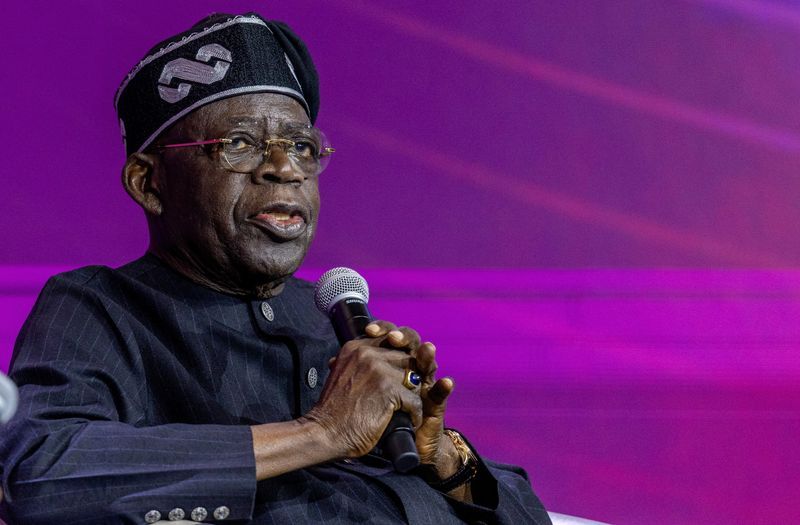
President Bola Tinubu has instructed Nigeria's Federal Competition and Consumer Protection Commission to launch a formal investigation into major technology companies accused of anti-competitive behaviour and improper use of journalistic material. The directive, announced late Monday, responds to complaints lodged by the Nigerian Press Organisation, which serves as the collective voice for newspaper proprietors, journalist unions, broadcasters and digital publishers across the country. The probe will centre on Meta, Alphabet, X and artificial intelligence platforms currently operating in Nigeria, representing one of Africa's most significant challenges to Big Tech's content practices.
The investigation carries substantial implications for how global digital companies operate within Nigeria and potentially across the broader African continent. Rather than presume guilt, the FCCPC has indicated it will conduct a thorough examination allowing all parties to submit evidence and counter-arguments before reaching conclusions. This methodical approach reflects international best practice in competition investigations while signalling Nigeria's determination to protect local media interests against dominant technology firms that shape how news reaches millions of Nigerians daily.
At the core of the inquiry sits a fundamental tension between technology platforms and traditional publishers. The investigation will examine whether these companies have engaged in market dominance abuses, extracted or commercially exploited copyrighted news and broadcast material without proper compensation, and utilised journalistic content to train generative artificial intelligence systems. These allegations touch on questions that have preoccupied regulators globally: whether technology firms profiting from news distribution and AI training should share revenue with the creators whose work attracts users and generates advertising income.
Nigeria's regulatory action reflects a broader global movement to establish frameworks governing technology companies' relationship with media industries. The European Union has been particularly aggressive in this space, with France imposing a €500 million fine on Google in 2021 for failing to negotiate fairly with news publishers and for AI-related breaches involving publisher content. Australia and Canada have gone further, implementing legislative bargaining requirements that compel technology platforms to negotiate payment arrangements with news organisations before using their material.
Africa's regulatory landscape is evolving rapidly in this domain. South Africa's competition authorities conducted an extensive market inquiry into digital platforms and news media, successfully extracting concessions from Google and YouTube including a 688 million rand media support package equivalent to approximately $42 million. These precedents suggest African regulators increasingly view content policies as legitimate competition and consumer protection issues rather than purely editorial matters beyond government oversight.
The Nigerian Press Organisation's decision to lodge formal complaints underscores mounting frustration among publishers with technology platforms' commercial models. News organisations, already pressured by declining print revenue and fragmented digital audiences, contend that social media companies and search engines derive substantial advertising revenue from traffic generated by journalistic content, yet compensate creators minimally or not at all. This dynamic has intensified as artificial intelligence systems trained on vast quantities of copyrighted material compete directly with original journalism.
For Malaysian readers and media stakeholders, Nigeria's investigation offers important lessons about regulatory momentum building across the Global South. As a regional digital economy with sophisticated technology industries and established media sectors, Malaysia confronts similar tensions between platform economics and publisher sustainability. The outcomes in Nigeria, South Africa and other jurisdictions may influence how Malaysian regulators approach similar complaints, should local media organisations decide to pursue formal challenges against technology companies operating here.
The investigation also signals Nigeria's emerging willingness to challenge global technology companies on regulatory grounds. While platforms like Meta, Alphabet and X wield enormous reach in Nigeria's digital ecosystem, the FCCPC's action demonstrates that even dominant firms face accountability to national competition and consumer protection authorities. This reflects a broader shift in how developing economies view their relationship with Big Tech, moving from acceptance toward more assertive regulatory engagement.
Technology companies have maintained largely defensive postures regarding compensation demands, arguing that links and references drive traffic to publishers' own platforms and that their services provide valuable distribution channels. However, regulators in multiple jurisdictions have determined these arguments insufficient to justify uncompensated content use, particularly when commercial models systematically monetise journalistic material. The Tinubu administration's directive suggests Nigeria will examine this balance through a rigorous competition lens rather than accept platform assertions at face value.
The timing of Nigeria's investigation matters within its regional context. West Africa's largest economy has been reasserting stronger government involvement in digital regulation following years of lighter-touch approaches. The decision to empower the FCCPC with this mandate reflects confidence that the institution can conduct technically sophisticated investigations into complex platform economics. Success could establish Nigeria as a consequential regulator in African digital markets, influencing how other nations approach similar issues.
Median-term implications remain uncertain. Technology companies may negotiate settlements similar to those in Australia and Canada, establishing payment frameworks for news content use. Alternatively, Nigeria could pursue enforcement actions resulting in fines or structural requirements. Either path would reshape how platforms acquire and deploy journalistic material within Nigeria. Regional media companies will watch carefully, as outcomes here could prompt similar regulatory actions across West Africa and strengthen negotiating positions for African publishers broadly.
The investigation underscores that technology companies' content policies have become legitimate regulatory matters rather than purely commercial decisions. As artificial intelligence systems become increasingly central to platform operations and business models, questions about training data sourcing, copyright compliance and fair compensation take on heightened importance. Nigeria's probe may help establish clearer boundaries for how technology companies can legally and ethically utilise journalistic content within jurisdictions seeking to protect domestic media sustainability.

