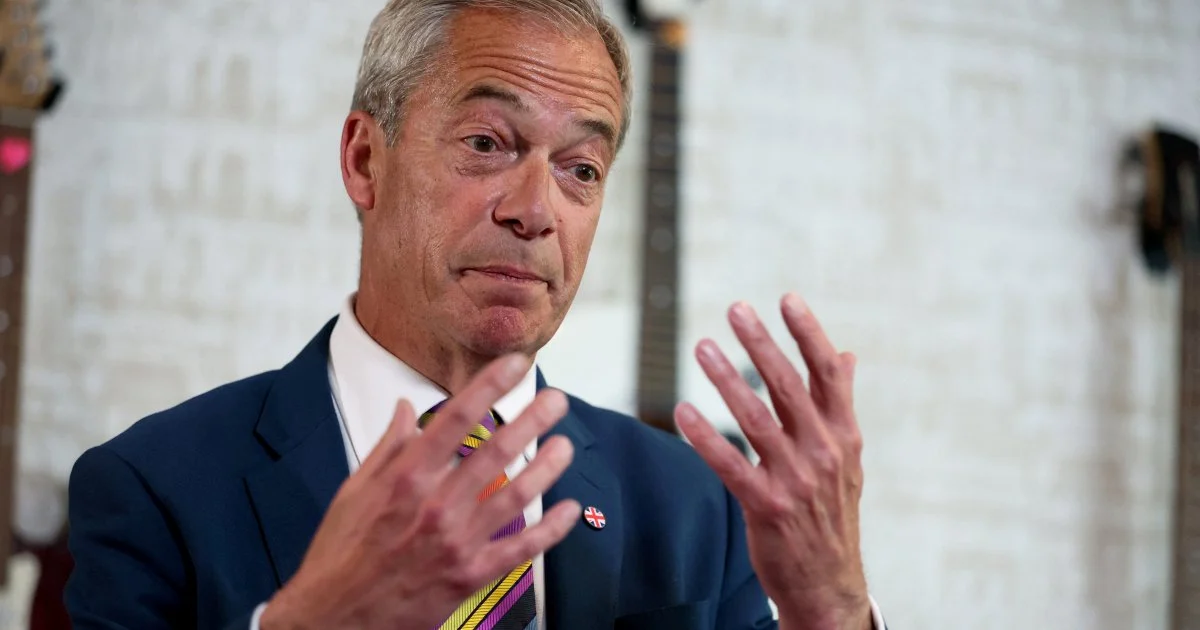
Nigel Farage, the prominent hard-right figure in British politics, has become embroiled in a fresh controversy surrounding the disclosure of gifts and financial support. Reports emerging on Sunday detailed allegations that a convicted fraudster covered substantial expenses related to Farage's security and staff costs during the period before he secured a parliamentary seat. The timing of these revelations comes as Farage continues to navigate his political trajectory in an increasingly fractious UK political landscape.
The specific nature of the undisclosed support raises significant questions about transparency in contemporary British politics. Financial backing for security arrangements and staffing represents a substantial form of in-kind contribution that, under parliamentary rules, typically requires proper declaration. The involvement of an individual with a criminal conviction for fraud lends particular gravity to the allegations, as it introduces questions about the sources and intentions behind such financial arrangements.
For Malaysian and Southeast Asian observers, this episode highlights ongoing tensions within established democracies regarding campaign finance transparency and the conduct expected of political figures. While Malaysia has its own regulatory frameworks governing political donations and declarations, the Farage case demonstrates how even mature democracies struggle with enforcement and the emergence of gaps in disclosure requirements. The incident underscores the perpetual challenge of maintaining public trust when the sources of political funding and support remain obscured from public view.
Farage's political profile in the United Kingdom has long been marked by controversy and polarising positions. His career has encompassed leadership of the UK Independence Party and the Brexit Party, both of which sought to fundamentally reshape British political discourse and policy direction. The current allegations represent yet another episode in a pattern that critics argue demonstrates a pattern of shifting boundaries around acceptable practice in political fundraising and disclosure.
The broader implications extend beyond individual accountability to questions about how regulatory bodies oversee the funding mechanisms that underpin political activity. Parliamentary rules governing the declaration of gifts exist precisely to ensure that the public understands who finances political figures and their operations. When such rules are potentially circumvented, the democratic foundation—public knowledge of influence flows—becomes compromised. This regulatory challenge is not unique to the United Kingdom; countries across the Commonwealth, including Malaysia, face similar struggles in balancing the practical needs of politicians with transparent governance.
The involvement of a convicted fraudster in this scenario introduces an additional dimension of concern. Beyond the mere non-disclosure of gifts lies the question of why someone with a criminal background might be providing such support and what reciprocal expectations or understandings might accompany such generosity. These considerations move beyond technical violations of disclosure requirements into the realm of public interest and the integrity of political relationships.
Farage's response to these allegations and the broader trajectory of the investigation will likely influence how this matter develops. Political figures facing such controversies typically employ various strategies, ranging from full cooperation with inquiries to contesting the characterisations presented by media reports. The outcome will depend substantially on what evidence emerges and how regulatory bodies interpret existing rules in light of the specific circumstances.
For the United Kingdom's democratic institutions, this episode represents a test case for enforcement mechanisms designed to maintain integrity in political life. Regulatory bodies will face pressure to demonstrate that the rules governing parliamentary conduct carry genuine consequences when violated. The stakes extend beyond Farage himself to encompass public confidence in the regulatory framework that supposedly governs how politicians operate and declare their financial interests.
The incident also carries implications for how other nations assess their own governance frameworks. Countries seeking to strengthen transparency standards can observe whether the UK regulatory response proves adequate to the situation at hand. Malaysia and other nations working to enhance political accountability may draw lessons from how such cases are resolved and what gaps in existing frameworks become apparent through high-profile controversies.
The detailed circumstances surrounding the funding arrangement—including the precise amounts involved, the duration of support, and the nature of security and staffing costs covered—remain subjects of ongoing investigation and reporting. These specifics will substantially determine whether this constitutes a technical oversight in declaration procedures or a more fundamental departure from expected standards of transparency and disclosure.
As the allegations develop, attention will focus on whether the non-disclosure was deliberate or resulted from differing interpretations of regulatory requirements. The distinction carries considerable weight both for Farage's personal reputation and for assessments of whether current rules adequately address evolving patterns of political support and funding. The episode ultimately serves as a reminder that questions of transparency and accountability remain live issues within even long-established democracies, requiring constant vigilance and updating of regulatory frameworks to address new circumstances and potential loopholes.

