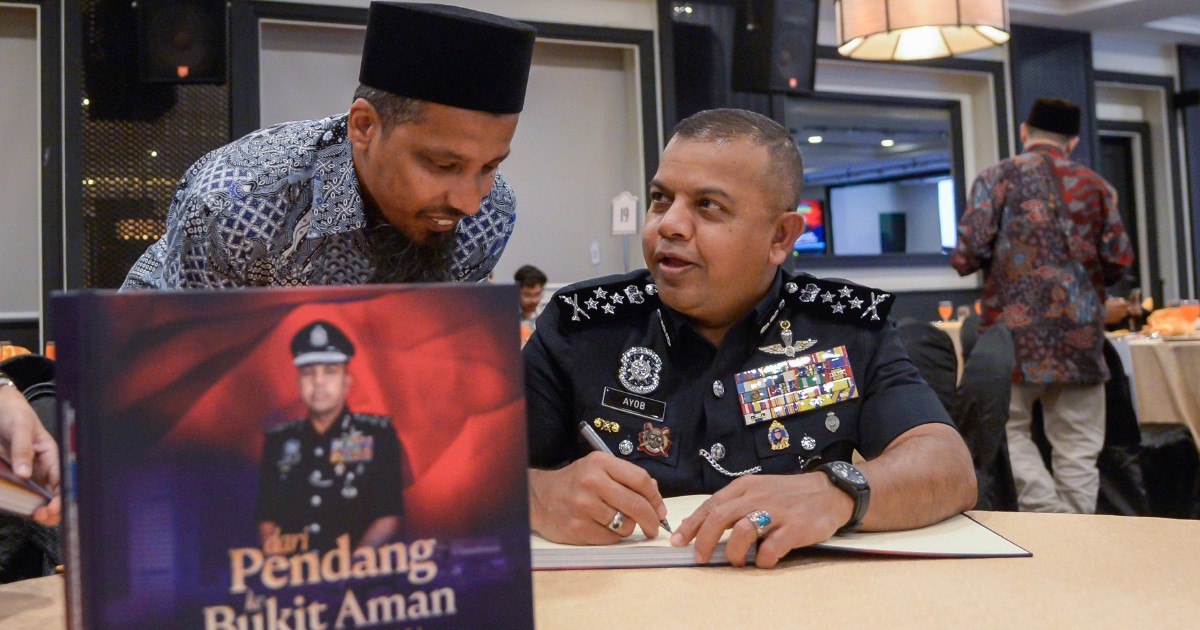
The investigation into the activities of Nicky Liow and his criminal network left an indelible mark on Malaysia's law enforcement establishment, according to Tan Sri Ayob Khan Mydin Pitchay, who held the rank of deputy Inspector-General of Police during his distinguished career. In reflecting on the case, Ayob Khan identified the probe as one of the most demanding and significant investigations ever conducted by the police headquarters at Bukit Aman.
The "Gang Nicky" case represents a watershed moment in Malaysia's efforts to combat organised crime networks that operated with considerable sophistication during their period of activity. The investigation demanded enormous resources and coordination across multiple police departments, highlighting the institutional challenges posed by criminal enterprises that transcended conventional territorial and jurisdictional boundaries. Ayob Khan's assessment carries particular weight given his senior position within the police hierarchy and his direct involvement with major criminal investigations during his tenure.
Organised crime syndicates operating in Malaysia have historically presented unique challenges to law enforcement, requiring specialised investigative techniques and sustained commitment from police officers at all levels. The Nicky Liow case exemplified these complexities, drawing together investigators with diverse expertise to unravel the network's operations, financial flows, and criminal infrastructure. The investigation's scope extended beyond simple criminal conduct to encompass the institutional relationships and operational methods that enabled the gang to function across extended periods.
For Malaysian law enforcement, the significance of such investigations extends beyond the immediate objective of prosecuting individual offenders. These probes generate valuable institutional knowledge about criminal methodologies, enabling police forces to develop more sophisticated responses to organised crime. The experience gained from investigating major networks like Gang Nicky has contributed to the evolution of police tactics and the establishment of specialised units dedicated to combating transnational and organised criminal activity.
The resources marshalled for the investigation reflected the seriousness with which police command treated the case. Senior officers like Ayob Khan understood that networks of this scale required methodical investigative work, often spanning months or years, with investigators collecting evidence, building cases, and coordinating with prosecutorial authorities. The institutional memory of such investigations becomes valuable training material for subsequent generations of police personnel tasked with similar challenges.
Bukit Aman, as the headquarters of the Royal Malaysia Police, serves as the nerve centre for the nation's most complex and sensitive investigations. Cases handled at this level typically involve serious organised crime, corruption, or matters with significant public implications. The fact that senior police leadership identified the Nicky Liow investigation as among Bukit Aman's most substantial cases underscores the resources devoted and the strategic importance assigned to dismantling the network.
The investigation also reflected broader trends in Malaysian criminal activity during the period when Nicky Liow and his associates operated. Organised crime networks in Southeast Asia have increasingly adopted transnational dimensions, exploiting porous borders and regulatory gaps to facilitate illegal operations spanning multiple jurisdictions. Malaysian authorities have had to adapt their investigative approaches accordingly, developing expertise in financial tracing, telecommunications analysis, and coordinating with international law enforcement partners.
For Malaysian readers, understanding the scale of cases like Gang Nicky provides insight into the operational realities facing police institutions. High-profile investigations consume considerable administrative and financial resources, drawing personnel away from routine law enforcement activities. The commitment to such cases reflects police leadership's determination to address serious criminal threats, though it simultaneously raises questions about resource allocation and the capacity of forces to address other pressing public safety concerns.
Ayob Khan's public reflection on the case also serves a documentary function, preserving institutional memory about a significant period in Malaysia's law enforcement history. As senior officers retire, their recollections provide valuable context for understanding how particular cases were managed, what challenges were encountered, and what lessons emerged. This institutional learning contributes to the ongoing refinement of police investigative practices and strategic thinking about organised crime.
The Nicky Liow investigation stands as a case study in the complexity of combating sophisticated criminal networks in modern Malaysia. Ayob Khan's characterisation of it as one of Bukit Aman's most significant investigations affirms the considerable institutional effort required to dismantle such organisations. For Southeast Asian law enforcement more broadly, the case exemplifies the transnational dimensions of contemporary organised crime and the necessity of sustained, coordinated responses drawing on diverse investigative expertise and international cooperation frameworks.
The legacy of the investigation extends beyond its immediate criminal justice outcomes to encompass lessons learned about investigation management, evidence gathering, and the operational requirements for addressing serious organised crime. As Malaysia faces evolving criminal threats in the contemporary era, the insights gained from cases like Gang Nicky continue to inform police strategy and investigative methodology, demonstrating the enduring value of systematic institutional reflection on major law enforcement challenges.

