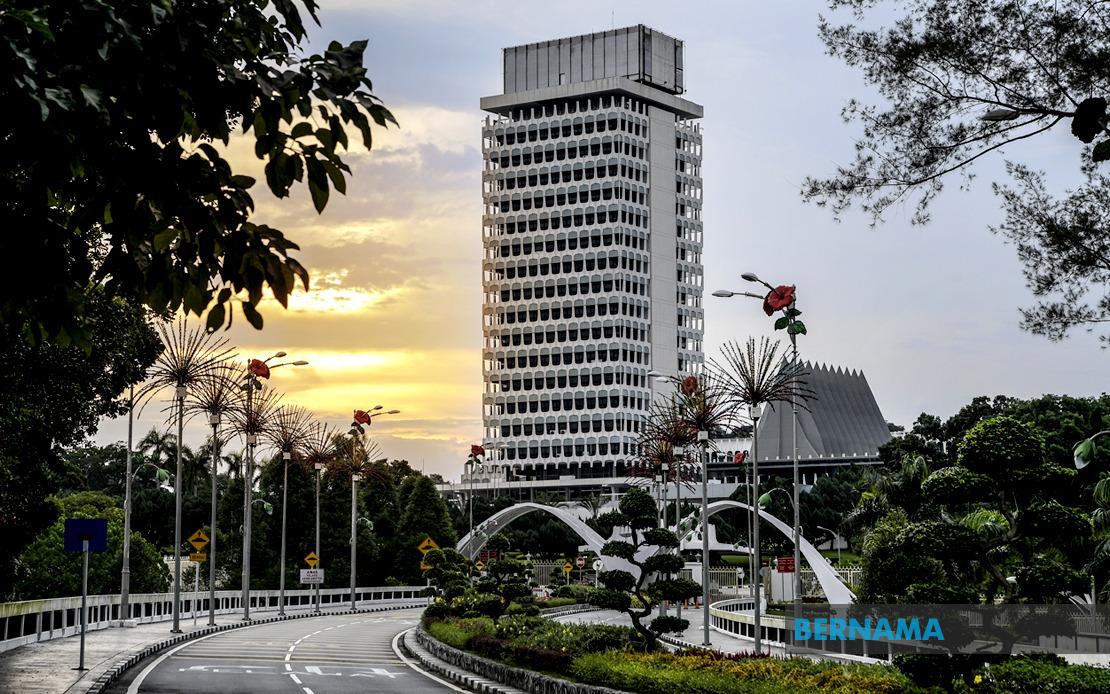
A broad coalition of Malaysian civil society organisations has made a compelling case for political stability, calling on the 15th Parliament to remain in session until its constitutionally designated end date of December 18, 2027. The appeal, signed by 44 NGOs and 25 individuals, represents a significant push from the country's organised civil sector to prioritise reform over early elections, reflecting growing concerns about the frequency of electoral cycles and their impact on governance effectiveness.
The organisations behind the initiative—including prominent groups such as Bersih, ABIM, C4 Center, and IDEAS—have framed their position around a practical argument: Malaysia's democratic institutions require sustained parliamentary engagement to implement meaningful change. Rather than viewing Parliament as a platform for immediate political manoeuvring, these groups contend that a full five-year term allows legislators to focus on substantive institutional development rather than campaign cycles. This perspective challenges the prevailing tendency in Malaysian politics towards early dissolutions and snap elections, a pattern that has characterised recent political behaviour across multiple administrations.
The statement proposes that Prime Minister Datuk Seri Anwar Ibrahim convene a summit bringing together leaders from all government and opposition parties to establish a shared agenda for the remaining parliamentary term. This cross-party approach acknowledges that major constitutional and governance reforms typically require broader political consensus than any single administration can command. The emphasis on consensus-building reflects a recognition that institutional changes must transcend partisan divisions to gain legitimacy and durability beyond individual electoral cycles.
Among the priority reforms outlined, the separation of the Attorney General and Public Prosecutor positions stands prominently. This change addresses longstanding concerns about concentrated executive power over legal proceedings and prosecution decisions. Additionally, the groups propose establishing a constitutional cap of 10 years on any Prime Minister's tenure, a mechanism designed to prevent excessive personalisation of executive power and encourage leadership renewal. These constitutional modifications speak to fundamental questions about accountability and the distribution of power within Malaysia's institutional architecture.
The civil society push also emphasises the necessity of transparency legislation, specifically advocating for a Freedom of Information Act and the enactment of an Ombudsman Act. Such measures would create formal mechanisms for public access to government information and provide independent oversight of administrative actions. For Malaysia, where questions about government accountability have periodically surfaced in public discourse, these instruments would establish clearer procedures and standardised practices rather than relying on executive discretion or informal channels.
The reform agenda extends to electoral mechanisms and parliamentary procedures that directly affect ordinary citizens and representatives alike. The proposal to distribute constituency development allocations equitably among all Members of Parliament, regardless of party affiliation, directly challenges patronage systems that have historically advantaged governing coalition members. Similarly, proposed amendments to the Election Offences Act 1954 and the expansion of postal voting options address both technical electoral efficiency and inclusion, particularly for overseas Malaysians and citizens unable to vote in their home constituencies due to geographic distance.
Strengthening parliamentary committees and streamlining budget processes represent procedural reforms aimed at enhancing legislative oversight and deliberation. These changes would empower backbench members and opposition politicians to engage more substantively with executive proposals, potentially improving policy quality through more rigorous scrutiny. The provision for Private Members' Bills—allowing individual legislators to propose legislation—would democratise the legislative agenda beyond government initiatives, though implementation details would prove crucial to meaningful impact.
The organisations have deliberately framed their recommendations as benefiting any future government, a rhetorical move designed to transcend immediate partisan positioning. This universalist approach acknowledges that political actors might be reluctant to support measures that appear to disadvantage their immediate electoral prospects. By emphasising how institutional reforms create stable frameworks that benefit all participants over time, the civil society groups appeal to long-term political interests over short-term tactical advantages.
The emphasis on state-level reforms reveals recognition that Malaysia's federal structure requires parallel changes across multiple jurisdictions. The proposal that all 13 state governments enact comparable legislation regarding development allocations reflects an understanding that institutional change cannot succeed at only one governmental tier. This comprehensive approach also demonstrates sophisticated awareness of how political actors might circumvent national-level reforms through divergent state-level practices.
The electoral system proposals, including the introduction of party-list proportional representation for state assemblies, would fundamentally alter representation patterns and political incentives. Such changes typically benefit smaller parties and increase female, youth, and minority representation—outcomes that reflect normative democratic values but also challenge existing power distributions. The civil society position represents a deliberate choice to prioritise inclusive representation over incumbent protection, suggesting ideological commitment to substantive democracy beyond formal voting procedures.
Finally, the recommendation that governments provide advance notice of dissolution dates addresses a recurring source of electoral uncertainty in Malaysian politics. By establishing clearer expectations about election timing, such a practice would allow the Election Commission, law enforcement, and administrative bodies to prepare adequately, potentially reducing logistical challenges and improving electoral administration quality. This practical proposal reflects recognition that electoral integrity depends partly on preparation time and organisational readiness.
The timing of this initiative carries significance, arriving at a moment when Malaysia's political system faces questions about institutional capacity and reform implementation. Whether these recommendations gain traction depends significantly on whether political parties perceive them as advancing their interests or threatening existing arrangements. The strength of civil society advocacy will likely influence whether institutional considerations ultimately outweigh electoral calculations in Malaysian political decision-making.

