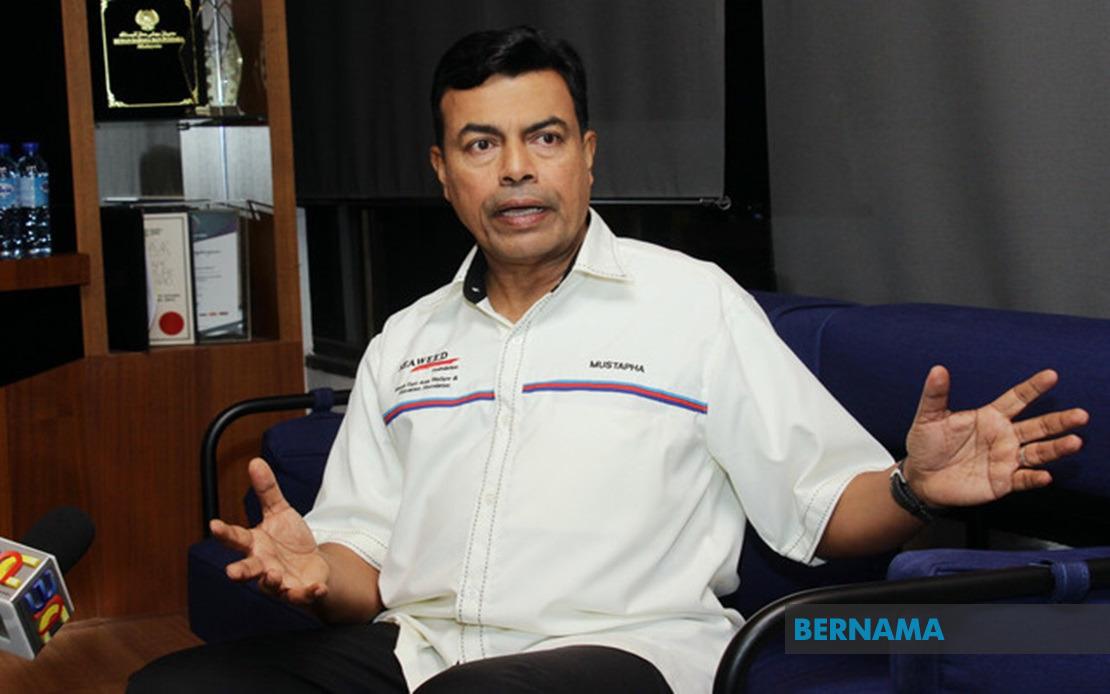
Malaysia's educational landscape is facing mounting pressure to adopt more systematic approaches to student safety and wellbeing, with a leading NGO calling on the Ministry of Education to establish a specialised independent body dedicated to these critical concerns. The South East Asia Welfare and Education Foundation (SEAWEED), through its chairman Datuk Dr Mustapha Ahmad Marican, has put forward a comprehensive proposal that addresses what many educators and administrators view as gaps in the current school safety framework. Speaking in Semporna on July 9, Dr Mustapha articulated a vision for institutional reform that would fundamentally reshape how Malaysian schools approach the protection and oversight of their student populations.
The proposed body, according to Dr Mustapha, could either operate under the ministry's administrative structure or function as an autonomous agency with its own distinct mandate and powers. This flexibility in governance models reflects recognition that different implementation approaches might suit Malaysia's varied educational ecosystem. The underlying rationale is straightforward yet compelling: schools currently shoulder an overwhelming array of responsibilities, with teachers frequently dividing their attention between academic instruction and disciplinary management. A dedicated safety authority would relieve this burden while establishing consistency and expertise in areas where professional specialisation is essential.
International precedent provides substantial support for this approach. Dr Mustapha highlighted that developed nations including the United Kingdom and Australia have long recognised the value of dedicated agencies or comprehensive legal frameworks that specifically address school safety monitoring. These jurisdictions have determined that student protection requires institutional focus rather than ad hoc responses from individual schools. The existence of these models demonstrates that such bodies are neither experimental nor untested; they represent established best practice in education systems grappling with similar challenges.
One of the most pressing issues this new body would address is the persistent problem of bullying within Malaysian schools. The phenomenon extends beyond simple name-calling or social exclusion; increasingly, bullying incidents result in physical injuries that demand immediate intervention. Dr Mustapha emphasised that cases involving actual bodily harm warrant particularly serious treatment, requiring swift and robust responses that go beyond standard school disciplinary procedures. The current approach, often left to individual school administrators, lacks the consistency and resources needed to address bullying systematically across the education system.
Gangsterism represents another critical concern that a centralised safety authority could monitor more effectively. The infiltration of gang-related activities into schools poses existential threats to the learning environment and student wellbeing. When teenagers become involved in gang structures, the consequences ripple through entire school communities, affecting not only the directly involved students but also creating climates of fear and intimidation that undermine educational outcomes for all pupils. A dedicated body could implement evidence-based interventions while tracking emerging patterns across multiple schools.
Dr Mustapha's proposal encompasses several specific operational measures designed to prevent violence and weapon-related incidents. He advocated for comprehensive psychological assessments of the bullying phenomenon, placing particular emphasis on mental health dimensions that often underlie aggressive behaviour. Understanding the psychological roots of bullying—anxiety, depression, trauma, social isolation—could enable preventive interventions rather than purely punitive responses. This approach aligns with contemporary understanding in child psychology and education research.
The practical security measures Dr Mustapha recommended include regular bag inspections to intercept weapons before they enter school premises. Such inspections would specifically target knives and similar sharp implements that pose immediate danger to other students. While some stakeholders might regard such measures as intrusive, Dr Mustapha framed them as necessary protective mechanisms. The rationale is that preventing weapons from entering schools in the first place is far more effective than managing incidents after they occur. This preventive orientation reflects modern thinking about school security in many jurisdictions.
The timing of this proposal is particularly significant given media reports of violent incidents in schools that have periodically shocked Malaysian society. Each incident sparks renewed debate about what systemic improvements might prevent future occurrences. A dedicated safety body would provide institutional capacity to analyse such incidents rigorously, identify common factors, and develop targeted interventions. Current arrangements often result in reactive crisis management rather than proactive system-wide improvement.
For Malaysian educators, the proposal offers potential relief from a burden that many feel unprepared to shoulder alone. Teachers entering the profession typically receive training in subject matter and pedagogical techniques, but most lack specialised training in safeguarding, threat assessment, or mental health intervention. Offloading these specialised functions to a dedicated authority would allow teachers to focus on their core professional responsibilities while ensuring that student safety receives appropriate expert attention.
The establishment of such a body would also create mechanisms for data collection and analysis across the entire education system. Currently, incidents at individual schools often remain isolated events without systematic analysis or knowledge-sharing. A centralised authority could identify patterns, track trends, and share best practices across schools. This systemic perspective enables evidence-based policymaking rather than responses driven by isolated incidents or political pressure.
Implementing Dr Mustapha's proposal would require careful planning regarding the new body's legal authority, funding mechanisms, and relationship with existing school structures. Clear delineation of responsibilities would be essential to avoid confusion about which issues the new authority would handle and which would remain with schools and the ministry. International models provide templates for such arrangements, though adaptation to Malaysia's specific context would be necessary.
The proposal also touches on broader questions about Malaysia's commitment to student welfare in an era of increasing social complexity. As Malaysian society becomes more diverse, economically stratified, and digitally connected, the challenges facing young people expand correspondingly. A dedicated institutional response would signal that the government recognises these evolving challenges and is willing to invest resources in comprehensive solutions rather than treating school safety as incidental to educational delivery.
Ultimately, Dr Mustapha's call reflects growing recognition that school safety cannot be an afterthought in Malaysian education policy. By proposing a body with adequate resources, expertise, and independence to address student safety and welfare systematically, SEAWEED has articulated a vision that transcends current ad hoc approaches. Whether the Ministry of Education embraces this specific proposal or develops alternative mechanisms, the underlying imperative remains clear: Malaysian students deserve protection frameworks that match the sophistication of their schools' academic programmes.

