Transport operators across Malaysia are responding to heightened demand from voters seeking to return home for the Johor state election on Saturday, with both a non-governmental organisation and the national railway operator substantially expanding their services. Stesen Pemantauan Rakyat, an NGO focused on voter facilitation, is running six free buses to ferry 240 registered voters from Kuala Lumpur and Singapore back to Johor specifically for the ballot, addressing logistical barriers that might otherwise prevent out-of-state residents from participating.
The NGO representative Yong Shui Wen outlined the operation's scope in an interview with Bernama, noting that four buses will depart from the capital while two others will commence their journeys from the Sultan Iskandar Building Customs, Immigration and Quarantine Complex at the Johor Bahru entry point. The service reflects recognition of a persistent challenge in Malaysian elections: voters who have relocated or work elsewhere often struggle with transportation costs and scheduling constraints when returning to cast ballots in their home constituencies. The buses will serve multiple destinations across Johor, spanning from the more urbanised areas near Kuala Lumpur's industrial and economic zones to more rural settlements in the state's south and east, including Tangkak, Muar, Batu Pahat, Pekan Nanas, Segamat, Labis, Kluang, Ayer Hitam and Kulai.
Departure schedules have been carefully coordinated to maximise accessibility across the extended geography. Buses originating from Kuala Lumpur will leave at 9 pm on Friday evening, allowing workers to finish the working week before commencing their journey. Those collecting passengers from the Singapore entry point will offer flexibility through dual departure windows: one at 9 pm Friday and another at 9 am Saturday, accommodating voters with different work and travel situations across the causeway. This logistical precision reflects careful planning by the organisation, which has sustained this initiative since 2018 and reports consistently strong uptake among the Johor diaspora across Malaysia and Singapore.
The remarkable feature of this year's operation is the reported complete utilisation of available seats, with Yong indicating that all positions on the six buses have been reserved. This speaks to pent-up demand among voters who wish to participate but face genuine obstacles to doing so, suggesting that transport accessibility directly influences electoral participation among Malaysia's increasingly mobile workforce. The full booking suggests the NGO may struggle to accommodate additional interested voters, highlighting a gap between demand and available resources for facilitating out-of-state participation.
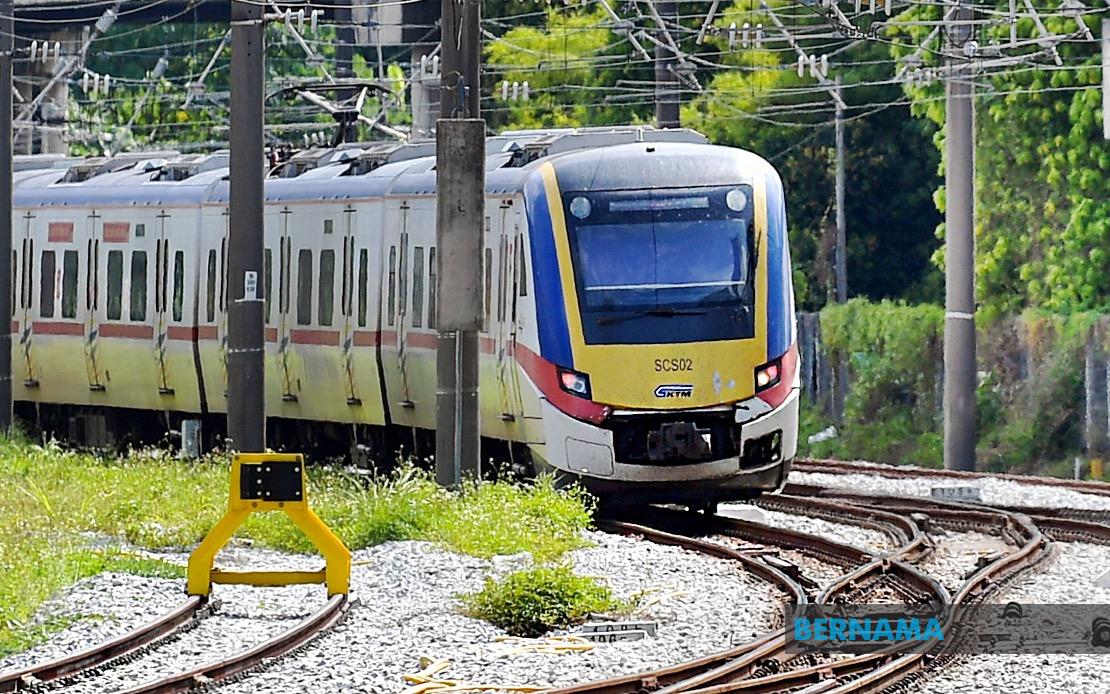
Meanwhile, Keretapi Tanah Melayu Bhd has undertaken a substantial infrastructure response, doubling the seating capacity on its Electric Train Service routes serving Johor during the critical three-day window from July 10 to 12. Datuk Azlan Shah Al Bakri, the KTMB Group chief executive officer, announced that the flagship KL Sentral to JB Sentral corridor would see an additional 7,560 seats deployed, effectively doubling capacity from 7,560 to 15,120 seats. This expansion reflects the company's assessment that election-driven travel would substantially exceed ordinary weekend demand patterns.
The uptake data revealed by KTMB demonstrates how quickly the expanded capacity is filling. As of early morning on the announcement day, 12,769 seats—representing 84 percent of total capacity on the primary route—had already been booked, with merely 2,351 seats remaining available. This near-complete reservation pattern suggests that many Malaysian workers and students based in the Klang Valley have already begun securing their travel arrangements, indicating both genuine election interest and the considerable logistical challenge posed by concentrating voter travel into a compressed timeframe. The velocity of ticket sales suggests that peak-hour services, particularly on Friday evening and Saturday morning, face genuine capacity constraints despite the doubling of supply.
The Gemas to JB Sentral service, which typically operates at a much lower utilisation rate reflecting different travel patterns, received particular attention in KTMB's expansion strategy. Capacity on this route was increased from 630 to 4,410 seats, acknowledging that some voters—particularly those based in the Pahang region or along the east coast corridor—might prefer this alternative routing. Notably, this route showed more moderate booking levels, with 2,064 seats (47 percent) reserved as of the announcement, suggesting either greater awareness of alternative routing options or different travel timing preferences among users of this service.
The real-time monitoring available through the KTMB Mobile app indicates that several peak-hour services on Friday and Saturday were approaching sell-out status at the time of reporting, though the operator has encouraged potential travellers to monitor availability continuously. This dynamic ticket situation reflects both the genuine demand surge and the possibility that cancellations or seat releases might create last-minute availability. For voters without pre-booked tickets, the advice to persistently check the app represents the only viable path to securing transport during an increasingly saturated period.
The broader electoral context underscores why both organisations prioritise voter accessibility. The 16th Johor state election involves 172 candidates competing for 56 seats, reflecting a competitive political environment. Critically, 2,727,926 registered voters are eligible to participate, representing a substantial democratic stake. Any systemic barriers to voting—whether transport costs, distance, or scheduling conflicts—potentially suppress the participation of mobile, working-age voters who have migrated from Johor for economic opportunity elsewhere in Malaysia or the region. By facilitating their return, the NGO and KTMB effectively broaden the electoral base, ensuring that Johor's political outcomes reflect the preferences of not merely those residing within the state but the wider Johor-origin population.
This election mobilisation also reflects evolving patterns in Malaysian migration and work geography. The concentration of economic activity in Kuala Lumpur and the Selangor belt has drawn substantial numbers of Johor-born workers northward, while Singapore's service and finance sectors similarly attract Malaysian talent. The voter assistance being deployed suggests that political parties and supporting organisations recognise this demographic reality and are investing in the infrastructure necessary to transform geographically dispersed constituencies into actual voting populations. The success or failure of such initiatives may meaningfully influence electoral outcomes, particularly in marginal seats where turnout variations prove decisive.

