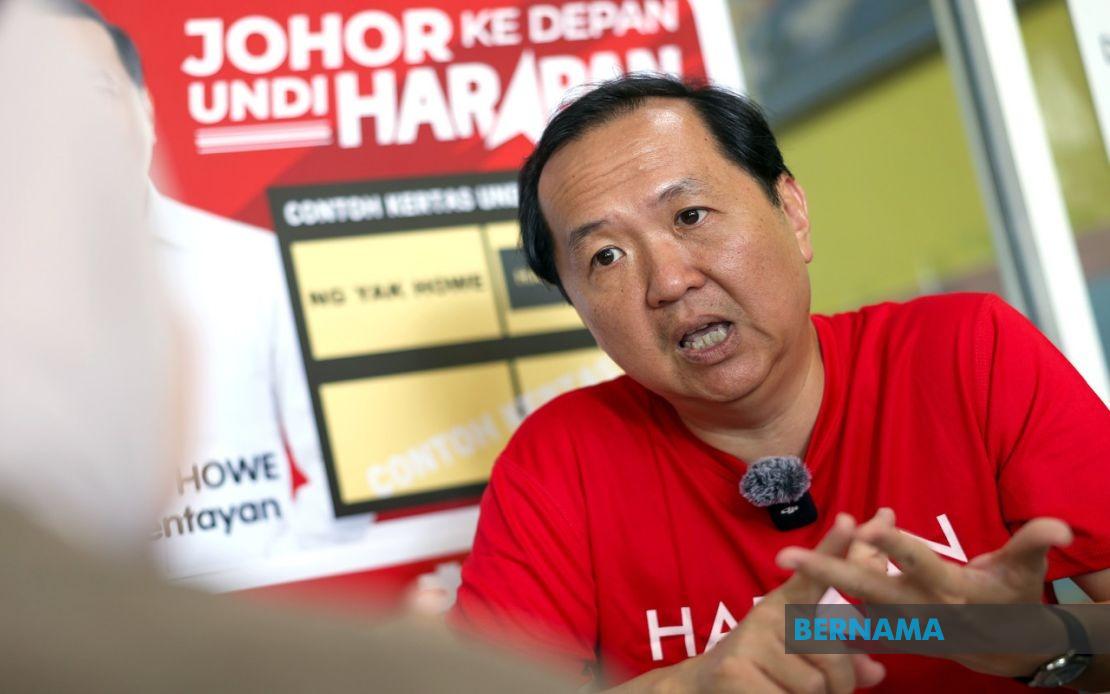
Pakatan Harapan's incumbent assemblyman for Bentayan, Ng Yak Howe, has identified the revival of Muar town centre as a central plank of his re-election campaign, recognizing that the historically significant commercial hub has struggled with the exodus of residents to surrounding suburban developments. The seat encompasses more than half of Muar town centre's land area, placing the constituency at the heart of efforts to reverse a trend that has left numerous commercial premises shuttered after business hours, even as daytime activities maintain a veneer of vitality.
The challenge confronting Muar's core district reflects a broader Southeast Asian phenomenon: the hollowing out of traditional town centres as improved transportation links and modern amenities draw residential and commercial investment to greenfield suburban zones. Ng's diagnosis of the problem—that the area becomes noticeably quiet once office workers and shoppers depart—points to a deeper structural issue affecting many Malaysian towns. The departure of resident populations removes the evening and weekend foot traffic that sustains restaurants, entertainment venues, and services that rely on local neighbourhood demand rather than daytime commuter activity alone.
During recent grassroots engagement in the town, Ng articulated a vision that hinges on making Muar town centre attractive to younger demographics and reversing the perception that the area has become obsolete. His strategy involves stimulating consumer spending through targeted promotional campaigns, working in tandem with Bakri Member of Parliament Tan Hong Pin to implement cash voucher schemes and lucky draw initiatives designed to encourage shoppers to patronize remaining local merchants. Such measures represent a pragmatic, if conventional, approach to supporting businesses struggling with the 18 per cent vacancy rate that currently afflicts the town centre's retail and office landscape.
Ng's background as a quality assurance engineer with more than a decade of industry experience outside politics suggests a technical orientation toward problem-solving, though the challenges facing urban revitalization typically extend beyond operational efficiency into areas such as land use planning, infrastructure investment, and cultural programming. His quarter-century of political involvement has positioned him as an established figure within Johor's Democratic Action Party structure, serving as a committee member while representing the constituency at state level.
The Bentayan seat encompasses 34,205 registered voters and represents one of 16 state constituencies contested in Johor's 16th state election. Ng faces a direct contest against Barisan Nasional candidate Chua Lee Huat, with the broader election involving 172 candidates across all seats. Scheduled polling on July 11 follows early voting opportunities on July 7, providing a window for both campaigns to mobilize their respective support bases.
For Ng to secure a third consecutive term, he must convince voters that his proposed interventions offer meaningful solutions to economic decline. The success of promotional schemes such as voucher systems depends heavily on sustained implementation and adequate resourcing, and their impact on underlying structural problems remains debatable. Whether temporary stimulation of consumer spending can address deeper issues—such as the availability of diverse retail experiences, quality dining and entertainment options, or residential amenities that would encourage people to live downtown rather than in outlying areas—is a question that extends beyond what campaign-season initiatives typically resolve.
The broader context of Muar's situation reflects challenges facing numerous Malaysian towns that developed primarily as commercial hubs during an earlier economic era. Modern urban planning increasingly recognizes that successful town centre revitalization requires coordinated approaches encompassing residential redevelopment, public realm improvements, cultural institutions, and strategic anchor tenants—interventions that often demand significant financial investment and long-term commitment rather than temporary promotional activities.
Ng's engagement with traders and residents during his walkabout appears aimed at maintaining the political connection with business owners who have invested in downtown Muar. The implicit message—that a PH state government will prioritize their interests through promotional support and partnership with federal representatives—may resonate with merchants frustrated by declining foot traffic. However, the structural forces driving suburban expansion, including better road connectivity to Johor Bahru and more modern commercial facilities in newer developments, operate at scales that local promotional campaigns alone cannot fully counteract.
The Bentayan race occurs within the context of Johor's intense two-party competition, where state-level outcomes carry national implications for the balance between PH and BN. Ng's specific focus on town centre revival, while locally tailored, sits within broader campaign narratives about managing urban development, supporting small businesses, and maintaining quality of life in established communities. His opponent, Chua Lee Huat representing BN, has not yet articulated publicly available positions on the same issues, leaving the revitalization agenda potentially uncontested in the immediate campaign messaging.
Ultimately, Ng's re-election prospects will depend on whether voters believe his record of advocacy on behalf of town centre traders, combined with promised future support and partnership with Tan Hong Pin's federal resources, justifies continued support. The specific metrics—whether vacant premises decline, whether trading hours extend into evening periods, whether younger residents relocate to town centre residences—will provide eventual measures of whether campaign pledges translate into substantive improvement. For Malaysian observers monitoring Johor politics, the Bentayan contest offers a microcosm of how traditional urban centres navigate the transition to suburban-oriented development patterns, and whether localized political action can meaningfully influence those powerful economic currents.

