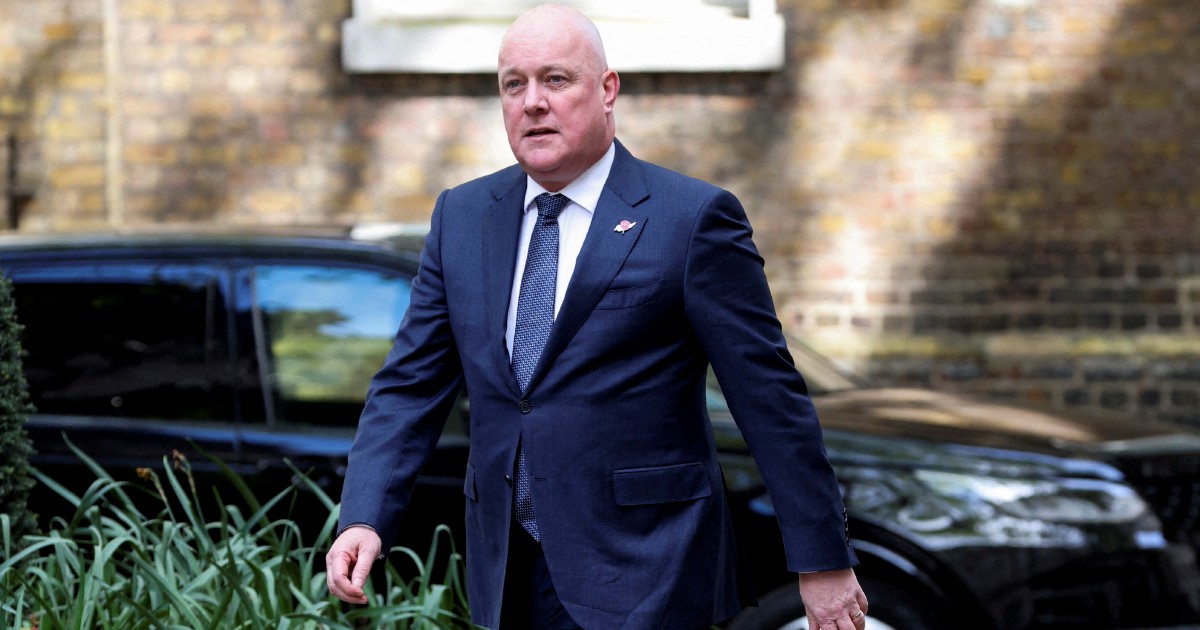
New Zealand's Prime Minister Christopher Luxon has consolidated his position within the ruling National Party after successfully navigating a formal leadership challenge, demonstrating sufficient internal support to remain party leader heading into an election campaign that will determine the country's political direction in the coming years. Speaking to media representatives in Wellington on Wednesday, Luxon underscored his confidence by stating he retained the unwavering backing of his parliamentary colleagues, a crucial affirmation given the sensitive timing with voting scheduled to occur within a three-month window.
Leadership contests within governing parties typically signal vulnerability, yet the timing of this challenge—arriving so close to polling day—reflects calculated political calculation rather than widespread mutiny. In parliamentary democracies like New Zealand's, such moves must be weighed against the electoral risk of appearing disunited to voters, making the decision to proceed somewhat unusual. This contest nevertheless materialised, suggesting some National Party members harboured sufficient concerns about Luxon's viability as an election standard-bearer to warrant action, or alternatively, represented an attempt to strengthen the leader's mandate before the campaign's defining phase.
Luxon's background and political trajectory have shaped his tenure as Prime Minister. Prior to entering Parliament, he accumulated extensive experience in the corporate sector, bringing a business-oriented perspective to governance. This background has influenced his policy approach, particularly regarding economic management and the relationship between government and private enterprise. His path to the premiership followed the National Party's return to power after a period in opposition, with voters signalling appetite for a change in political direction during their previous ballot.
The National Party's internal dynamics have experienced shifts throughout Luxon's leadership. Party members grapple with positioning themselves on various policy fronts while managing expectations around the Prime Minister's performance in office. Leadership challenges emerge when factions perceive misalignment between party strategy and electoral prospects, or when questions arise about whether current leadership best serves party interests. That this challenge occurred rather than remaining confined to private discussions indicates protagonists felt sufficiently emboldened to force a formal resolution.
For Malaysian and Southeast Asian observers monitoring New Zealand politics, Luxon's firm retention of party support carries broader implications for regional engagement and policy continuity. New Zealand maintains important economic and security relationships throughout the Asia-Pacific region, including with Malaysia. Stable domestic politics facilitates consistent foreign policy approaches, particularly regarding trade relationships, regional security architecture participation, and diplomatic engagement. Political uncertainty at home can create unpredictability in international relations, making Luxon's confirmed leadership status a stabilising factor.
The proximity of the election intensifies campaign preparations across New Zealand's political spectrum. Opposition parties undoubtedly monitored the leadership development carefully, seeking insight into National Party cohesion and any indication of wavering public confidence reflected through internal dissent. Electoral campaigns conducted amid recent party turbulence often face heightened scrutiny regarding unity and message consistency, with voters potentially questioning whether internal divisions portend governance difficulties. Luxon's victory in this test allows the National Party to move forward with consolidated messaging during the crucial campaign phase.
New Zealand's political landscape reflects broader patterns seen across developed democracies, where economic pressures, social divisions, and evolving voter preferences create both opportunity and vulnerability for governing parties. The National Party must balance defending its record while outlining its vision for tackling emergent challenges facing New Zealand society. Consumer confidence, employment levels, housing affordability, and inflation management typically dominate electoral discourse, alongside questions about healthcare, education, and infrastructure investment. Luxon's ability to frame these issues persuasively will substantially influence the election outcome.
The electoral calendar now advances toward intensive campaigning, with major parties unveiling policy platforms and leaders engaging in high-profile debates and public appearances. Luxon's confirmed leadership position facilitates more focused campaign organisation, as resources need not be diverted toward managing internal party dynamics. Opposition leaders will attempt capitalising on any lingering doubts about National Party direction or performance, while Luxon will endeavour constructing a narrative centred on competent economic stewardship and effective governance.
Regionally, New Zealand's election results invariably attract attention from Australia, the Pacific Islands, and Asian economies including Malaysia with which it maintains diplomatic and commercial ties. Political transitions in major regional economies can trigger reassessments of bilateral relationships and regional cooperation frameworks. Depending on electoral outcomes and any resultant policy adjustments, regional partners might anticipate shifts in trade emphasis, diplomatic priorities, or strategic alignments. This makes the pre-election period critical for regional governments evaluating implications of potential outcomes.
Luxon's navigation of the leadership challenge demonstrates resilience and retained confidence from his party caucus. Yet electoral campaigns remain inherently unpredictable, with public opinion capable of shifting rapidly responding to campaign events, leadership performances, and external developments. While the Prime Minister's position strengthens internally through this contest victory, ultimate validation will arrive through voter judgment at the ballot box. The challenge itself, however successfully weathered, serves as reminder that even sitting prime ministers face accountability to their parliamentary colleagues and ultimately to the electorate determining their continued tenure.

