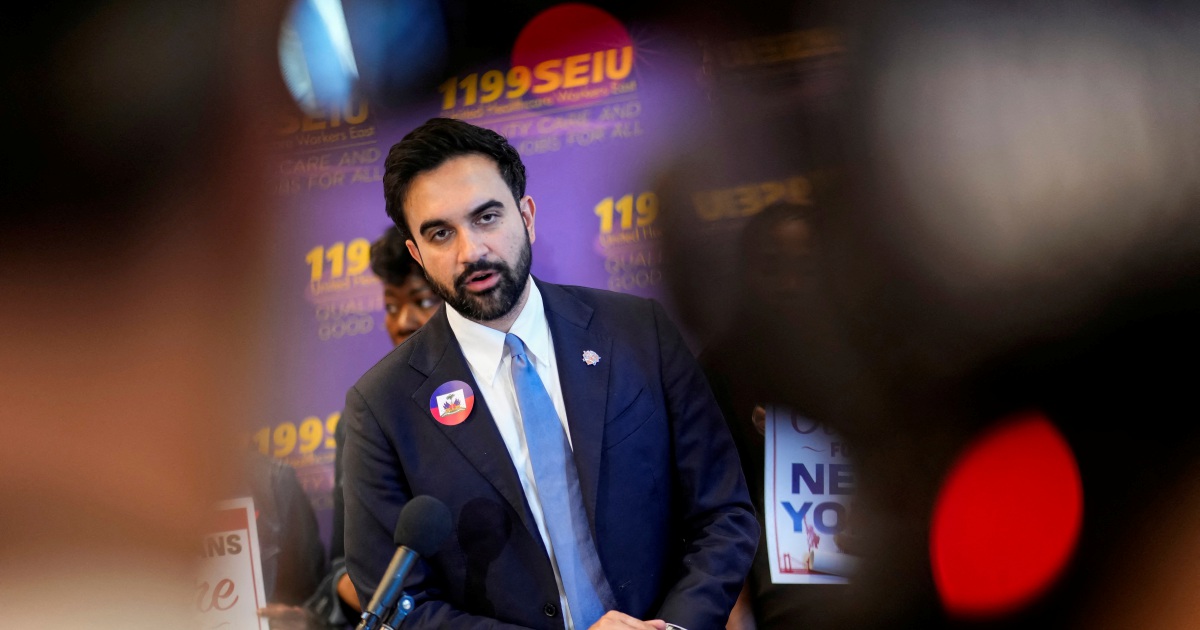
New York Mayor Zohran Mamdani has backed away from his earlier suggestion that he could order the arrest of Israeli Prime Minister Benjamin Netanyahu should the latter travel to New York City. After initially indicating he was contemplating such a move, Mamdani concluded this week that he simply does not possess the constitutional and statutory authority to detain Netanyahu on allegations of war crimes.
The reversal underscores the complexity of jurisdictional law in the United States, where mayors—despite their considerable influence over city affairs—operate within strict legal boundaries when it comes to matters of international diplomatic immunity and federal law enforcement. Mamdani's initial positioning had suggested a hardline stance on Netanyahu's potential visit, but the legal reality proved far more restrictive than his earlier rhetoric implied. For observers tracking American municipal activism on Middle Eastern conflicts, the episode illustrates how local political sentiment, however fervent, collides with entrenched legal doctrine.
The dispute touches on fundamental questions of sovereign immunity and diplomatic privilege that have governed international relations for centuries. Foreign heads of state visiting the United States typically enjoy extensive protections under federal law, regardless of local or state objections. These protections exist to facilitate diplomatic engagement and prevent the chaos that would ensue if every city attempted to prosecute visiting foreign leaders. The framework essentially prevents municipalities from unilaterally detaining government officials from other nations, even when domestic political opinion runs strongly against them.
Mamdani's initial comments had resonated with segments of the New York electorate opposed to Israel's military campaigns, particularly the conflict in Gaza that has drawn sustained international criticism over civilian casualties. By suggesting he might authorise Netanyahu's arrest, the mayor had positioned himself as responsive to constituent concerns about accountability for alleged violations of international humanitarian law. However, that populist appeal could not overcome the legal architecture that reserves such authority for federal agencies.
The distinction between mayoral authority and federal power is crucial here. While mayors can address many local matters through municipal ordinances and police departments, prosecution of foreign heads of state requires federal jurisdiction and intervention. The U.S. Department of State, which manages diplomatic relations and protocols, would be the relevant authority for any decision about whether to permit or restrict a foreign leader's entry into American territory. Once Netanyahu were in the United States with appropriate diplomatic status, neither a mayor nor state governor could unilaterally order his arrest without triggering serious constitutional violations.
This legal straightjacket applies regardless of the merits of underlying accusations. War crimes allegations carry moral weight and international legal significance, but they do not override domestic constitutional protections for visiting dignitaries. The International Criminal Court may issue arrest warrants for such offences, and several countries have indicated willingness to enforce them, but the United States has not ratified the Rome Statute that established the ICC, limiting its enforcement role within American borders.
For Southeast Asian observers, the case offers instructive lessons about the boundaries of municipal activism in democracies. While local governments in Malaysia and other regional countries often exercise considerable autonomy over urban affairs, the Netanyahu episode demonstrates that even mayors in a federal system like America's face substantial constraints when attempting to take independent action on matters of international law and diplomacy. The precedent, or lack thereof, suggests that municipal governments cannot easily circumvent national-level legal frameworks through populist gesture.
Mamdani's retreat also reflects internal debate within the Biden administration about how to balance support for Israel with concerns about its conduct in Gaza. Federal officials have maintained diplomatic relations with Netanyahu while permitting criticism of Israeli military operations. A mayor arresting Netanyahu would have placed the White House in an untenable position, forcing it to either defend a local official's action against a diplomatic ally or intervene to release the Israeli leader—neither option politically desirable during a presidential election cycle.
The episode carries implications for similar situations that might arise in other jurisdictions or involving other world leaders. If Mamdani had somehow succeeded in detaining Netanyahu, it would have set a dangerous precedent allowing mayors worldwide to arrest visiting officials based on allegations of wrongdoing. Such a development would effectively end controlled diplomacy, making it impossible for leaders accused of various crimes to travel internationally or conduct negotiations. The legal system's resistance to this outcome, whatever one thinks of Netanyahu's policies, reflects a pragmatic recognition that international order requires certain baseline protections.
Looking forward, Mamdani's decision demonstrates how legal reality ultimately constrains political expression, even in democracies where elected officials enjoy substantial public support for their positions. Advocacy against Israeli policies can continue through established democratic channels—public protest, legislation, diplomatic pressure—but cannot extend to unilateral detention of foreign leaders. The boundary between permissible dissent and impermissible legal action, however murky it sometimes appears, remains a fundamental feature of constitutional governance that mayors cannot simply overcome through force of political will.

